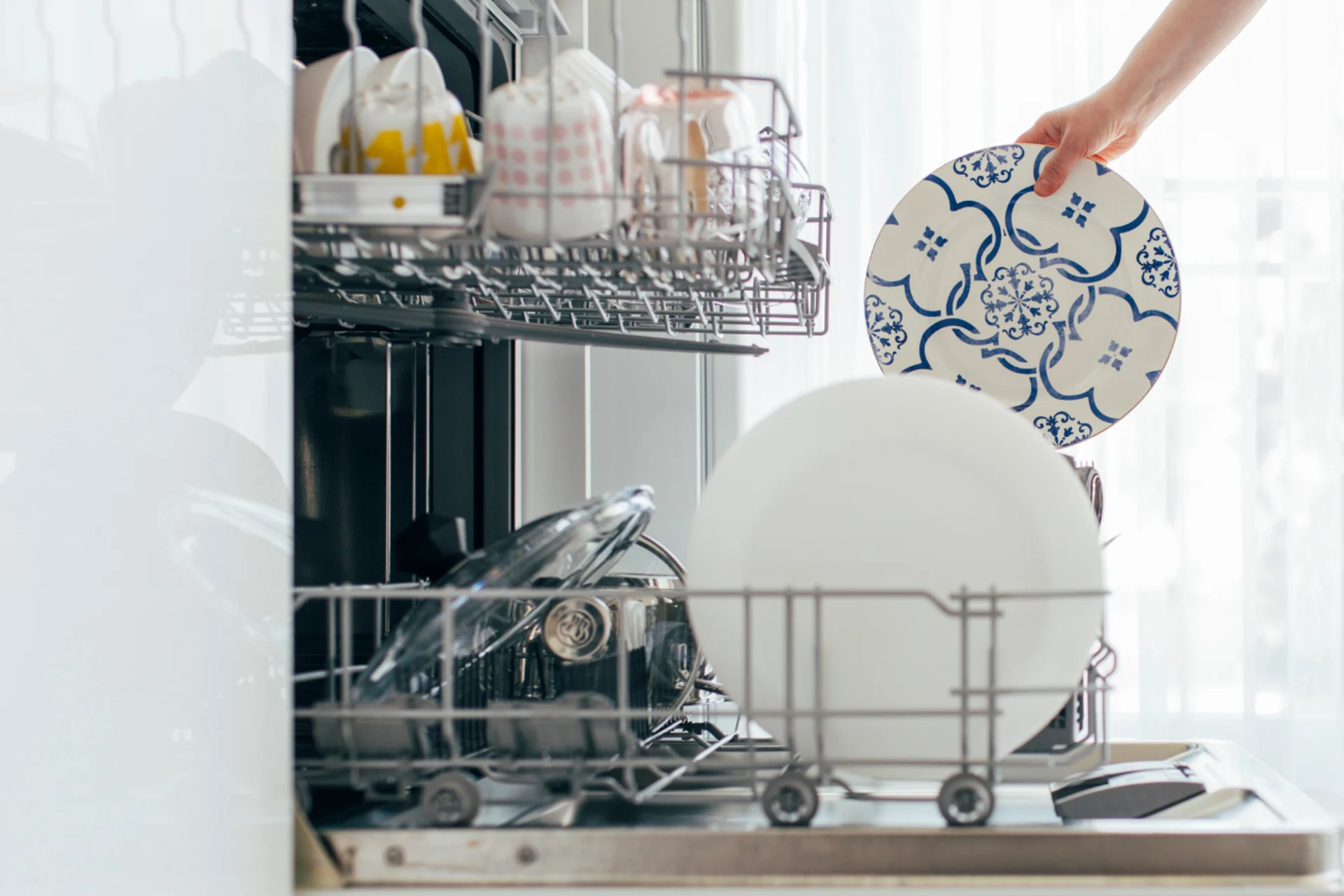




















Dishwashers have become a must-have in modern kitchens—saving time, water, and a whole lot of hassle when it comes to washing dishes. Ever stop and wonder what’s happening inside that mechanical marvel? From the moment you close the door until your dishes come out spotless and dry, your dishwasher is putting on one impressive performance.
Related Article: How to Clean Dishwasher Interiors: 8 Helpful Tips
At Don Fuller Appliance Repair, we know how annoying it can be when your trusty dishwasher starts acting up. Whether you’re checking out options before buying a new one or scratching your head over why yours isn’t keeping up, we’ve got the lowdown on what’s really going on behind the scenes.
How Dishwashers Work: A Quick Breakdown
Think of your dishwasher as a supercharged car wash—but for plates, glasses, and silverware. It sprays water, adds detergent, scrubs away food, rinses everything off, and then dries it all up. Here’s the backstage pass to its routine:
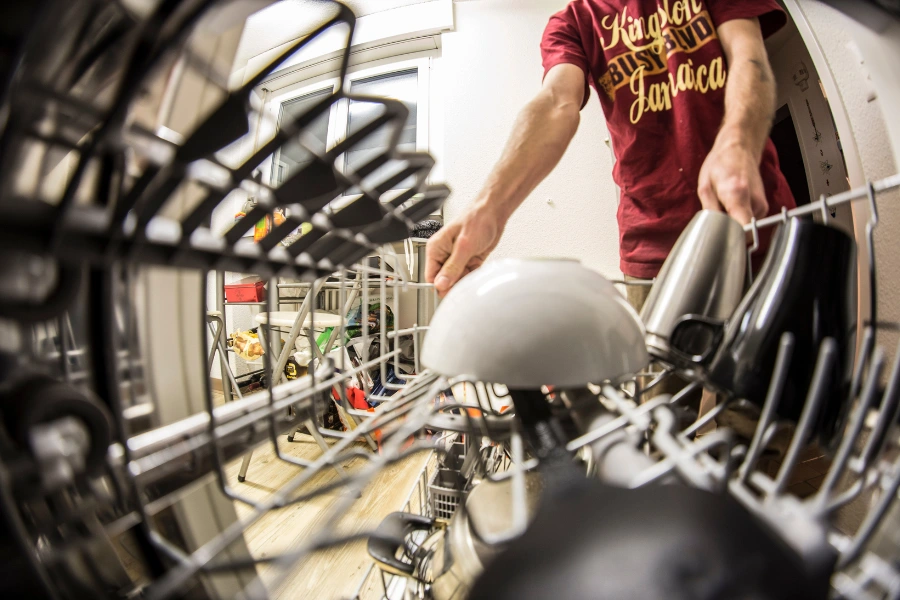
Water Fills the Dishwasher
A valve swings open to let hot water in (or cold water that the dishwasher heats to the perfect temperature). Most dishwashers use water in the 120–160°F range to tackle grease and stubborn food bits.
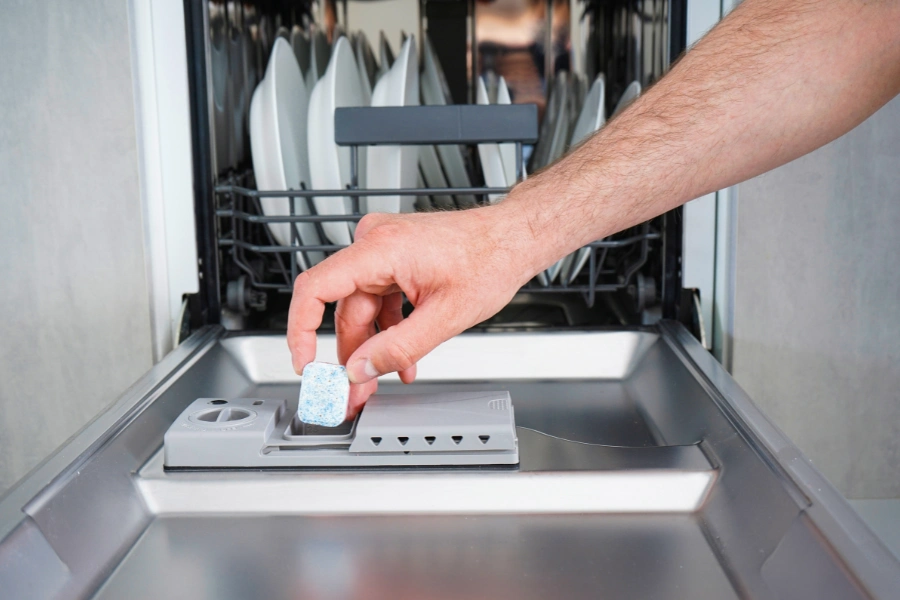
Detergent is Released
At just the right moment, the detergent dispenser pops open. The powerful mix of hot water and detergent tackles stuck-on food and grease so you don’t have to pre-rinse.
Spray Arms Get to Work
Picture spinning arms blasting water jets all over your dishes. Some dishwashers even have multiple spray arms, making sure every nook and cranny gets a thorough wash. The pressure and temperature are dialed in to get your dishes clean without harming delicate items like your favorite glassware.
Dirty Water Drains
Once the wash is over, a drain pump sends the used water away through a hose—typically into your plumbing system or garbage disposal. Built-in filters catch larger food particles, so you don’t have clogs to worry about later.

Rinse Cycle Begins
Fresh water comes in to wash away soap and leftover debris. Some models even add a rinse aid at this stage to cut down on water spots, leaving your dishes gleaming.
Drying Time
Depending on your dishwasher model, drying happens in a few different ways:
- Heated Drying: The heating element warms the air inside, speeding up evaporation.
- Condensation Drying: Cooler air is introduced, causing moisture to condense and trickle away.
- Natural Air Circulation: Some machines just let the air do its thing, often with the door left slightly open at the end of the cycle.
The heating element isn’t just a one-trick pony—it plays a big role in both washing and drying by keeping things at the right temperature. By the time the cycle wraps up, your dishes come out clean, dry, and ready to use.
The Main Parts of a Dishwasher (and What They Do)
Inside your dishwasher, a whole team works together:

Dishwasher Tub: The main stage where your dishes take center stage.
Spray Arms: These spin around, blasting water to wash away grime.
Circulation Pump: It pushes water through the spray arms like a tireless engine.
Heating Element: Heats water for washing and warms up the air for drying.
Detergent Dispenser: Releases soap and rinse aid at just the right moment.
Filter: Catches food debris to keep everything running smoothly.
Drain Hose: Sends away the dirty water once the cleaning is done.
The Dishwasher Cycle: Step-by-Step
Loading the Dishwasher
How you load your machine matters.
- Place extra-soiled items on the bottom rack where the spray arms hit them hardest.
- Keep glasses and delicate items on the upper rack.
- Give the detergent dispenser some breathing room—don’t block it or cram dishes too tightly.
Pro Tip: Regular dish soap belongs in the sink, not in your dishwasher. Stick to the right detergent to avoid a bubbly mess.
Filling and Heating the Water
Water fills the tub and is heated to around 120–160°F. A sensor keeps tabs on the water level so nothing spills over.
Washing Cycle Begins
The circulation pump sends hot water through the spray arms while the detergent does its magic on grease and food. Think of it as a refreshing bubble bath for your dishes—minus the rubber duck.
Dirty Water Drains
The drain pump kicks in, removing the soapy water and sending it out through your sink’s drain or garbage disposal.
Rinse Cycle
Fresh water rinses off any remaining soap and food bits. Some dishwashers add a splash of rinse aid to minimize water spots on your dishes.
Drying the Dishes
Your machine might use one of several drying methods:
- Heated Drying: The heating element warms up the air temperature to help evaporate moisture quickly.
- Condensation Drying: Cooler air makes the moisture condense and trickle away.
- Air Drying: A bit of natural air circulation (or leaving the door ajar) finishes the job.
Pro Tip: Crack open the dishwasher door after the cycle to speed up drying.
Modern Dishwasher Features That Make Life Easier
Today’s dishwashers pack a punch with smart features:
Steam Cleaning: Tackles tough, baked-on food without any extra elbow grease.
Delay Start: Lets you time your cycle for when energy costs are lower or when you’re away.
Quiet Operation: New models work quietly so you can run them any time—no loud noises disrupting your day.
Sanitize Cycle: Uses extra-hot water to knock out bacteria.
WiFi Connectivity: Some dishwashers let you monitor and control them right from your phone.
Soil Sensors: These gadgets gauge how dirty your dishes are and adjust the wash cycle accordingly.
Common Dishwasher Problems and Quick Fixes
Even the best dishwashers can have off days. Here are a few common issues:
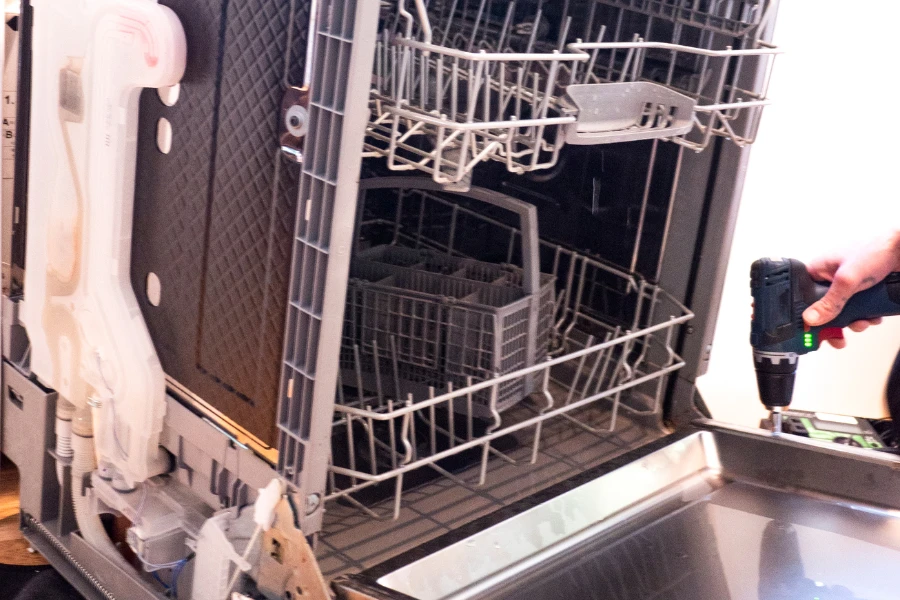
Dishes Aren’t Getting Clean
- Check if the spray arms are clogged.
- Use quality detergent; bargain brands might leave a residue.
- Keep the filter clean to maintain water flow.
Dishwasher is Leaking
- Look for loose drain hose connections.
- Inspect the door gasket for wear or cracks.
Dishwasher Won’t Drain
- Clean out the filter and drain hose.
- Make sure the garbage disposal connection isn’t blocked.
Dishes Aren’t Drying
- Use rinse aid to cut down on water spots.
- Check that the heating element is doing its job.
When to Call for Repairs
When searching for “dishwasher repair near me” in Oklahoma, know that Don Fuller is ready to step in. Check for:

Water Not Draining: If you notice standing water at the bottom of the dishwasher after a cycle, it may indicate a blockage or pump issue.
Strange Noises: Unusual sounds such as grinding, buzzing, or rattling during operation can signal mechanical problems.
Dishes Still Dirty: If clean dishes come out with food particles or residue, there may be an issue with the spray arms, filters, or water pressure.
Leaking Water: Puddles around the dishwasher can indicate a leak in the door seal, hoses, or other components.
Error Codes: Many modern dishwashers display error codes to indicate specific problems. Refer to the user manual to understand what these codes mean.
Foul Odors: Unpleasant smells can be a sign of food debris buildup or mold growth inside the appliance.
Door Issues: If the door won’t latch properly or doesn’t stay closed, it can prevent the dishwasher from operating correctly.
Longer Wash Cycles: If your dishwasher is taking significantly longer to complete a cycle, it may indicate a malfunctioning component.
Inconsistent Performance: If the dishwasher occasionally works well but fails at other times, it may need troubleshooting for intermittent issues.
Dishwasher Not Starting: If the appliance doesn’t respond at all when you try to start it, there could be an electrical or control issue.
If you’re experiencing any of these signs, it may be time to contact Don Fuller for a professional evaluation and repair.

Don’t Let Dishwasher Issues Disrupt Your Peace: Call for Repair!
Washing those dirty dishes in the swimming pool is not an option. If your dishwasher is leaving food on plates, making strange noises, or not draining properly, it might be time to get professional help. At Don Fuller Appliance Repair, we fix everything from clogged drain hoses to malfunctioning heating elements.
Got a dishwasher problem? Contact us—we’re here to get things running smoothly in no time!