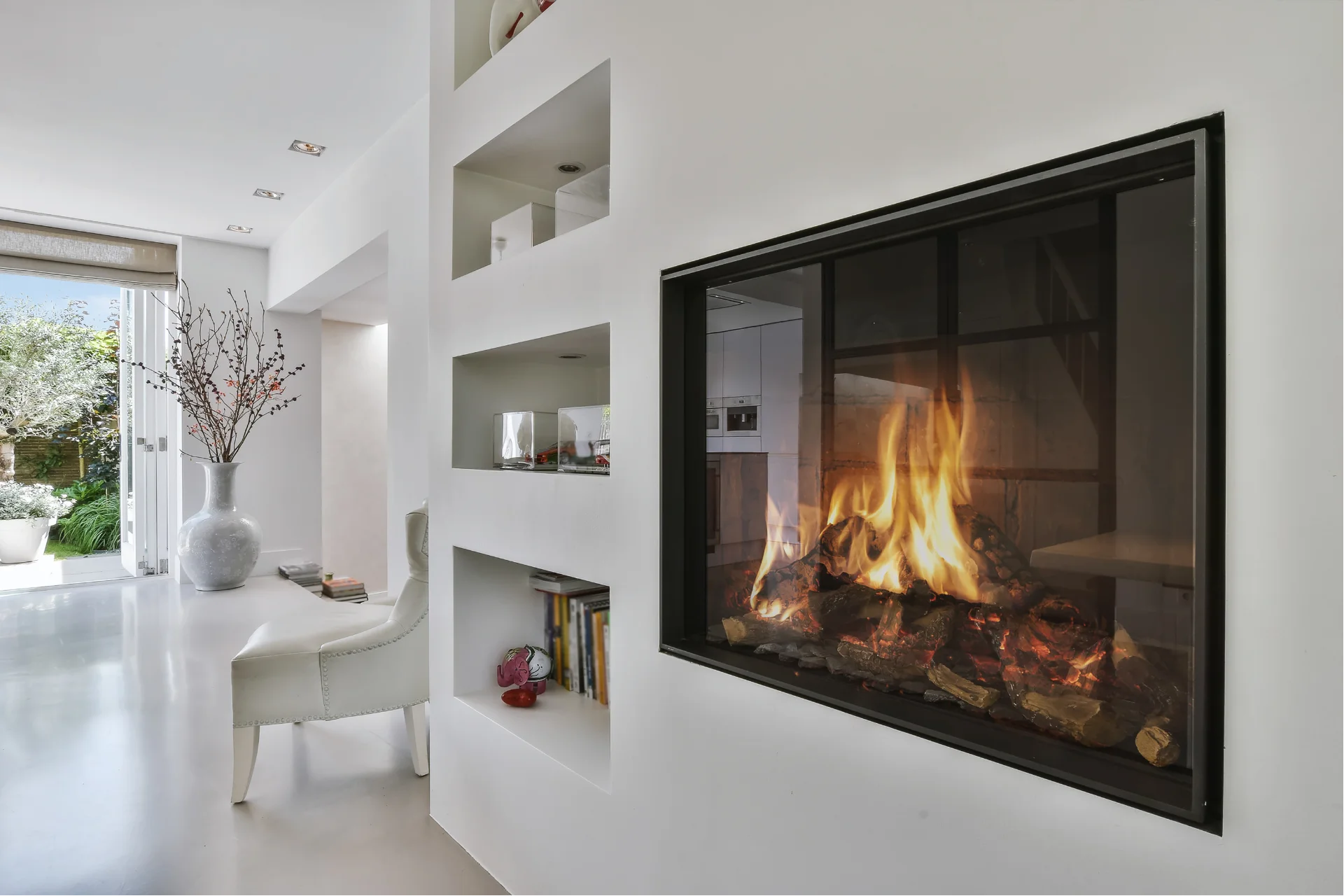
As the cold months approach, there’s nothing like the warm, inviting glow of a gas fireplace to make your living space feel cozy and comfortable. Whether you’re new to gas log fireplaces or just need a refresher, this guide will cover everything you need to know, from lighting the pilot light to making sure your gas log fireplace repair needs are met.
Related Article: How Does A Gas Log Fireplace Work?
So, grab a long lighter and let’s dive into the wonderful world of gas log fireplaces.
Understanding Your Gas Log Fireplace

Gas log fireplaces are a fantastic alternative to traditional wood-burning fireplaces. They offer the beauty of a real flame without the hassle of hauling wood, cleaning up ashes, or dealing with the smell of smoke. Plus, gas fireplaces are more efficient and can be turned on and off with the flip of a switch. Gas fireplace logs are designed to provide a realistic wood-fired experience and are available in various styles and finishes.
Key Components of a Gas Log Fireplace
- Gas Logs: These ceramic logs are designed to mimic the look of real wood. They’re placed over a gas burner, which produces the flame.
- Burner: This is where the gas flows and ignites to create the flame.
- Pilot Light: A small, continuous flame that ignites the gas when the fireplace is turned on.
- Control Knob and Ignition Switch: These allow you to control the gas flow and ignite the fireplace.
- Gas Valve: Regulates the gas flow to the burner.
- Flue: Vents exhaust gases out of your home. Ventless gas logs do not require a flue.
- Gas Log Appliance: The main unit that houses the gas logs and burner, often containing a metal data plate with operating instructions.
How to Use Your Gas Log Fireplace
Lighting the Pilot Light
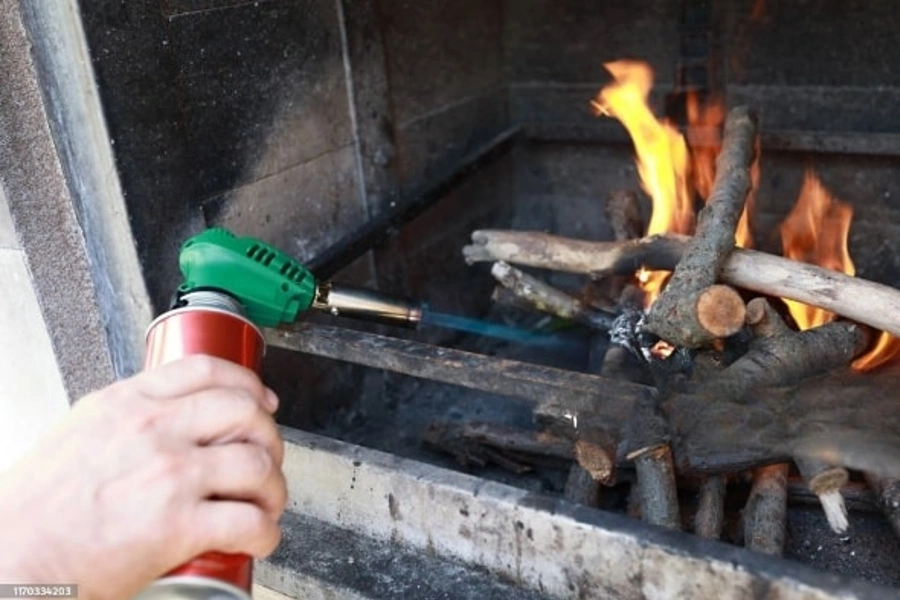
- Find the Control Knob: Typically located near the bottom of the fireplace.
- Turn to ‘Off Position’: Wait a few minutes to make certain no gas is flowing.
- Turn to ‘Pilot’: Press and hold the control knob.
- Ignite the Pilot Light: Use a long lighter to ignite the pilot light while holding the control knob.
- Hold for 30 Seconds: Keep the control knob pressed for 30 seconds to guarantee the pilot light stays lit.
- Turn to ‘On’: Release the knob and turn it to the on position.
Operating the Fireplace

- Use the Ignition Switch or Remote: Depending on your model, you may have a wall switch, control knob, or remote to ignite the flames. Depending on your gas log set, you may have additional features such as a manual ignition system or remote control.
- Adjust the Flame: Most gas log sets allow you to control the height of the flame with the control knob.
- Enjoy the Heat: Sit back, relax, and enjoy the warmth and ambiance.
Safety Tips
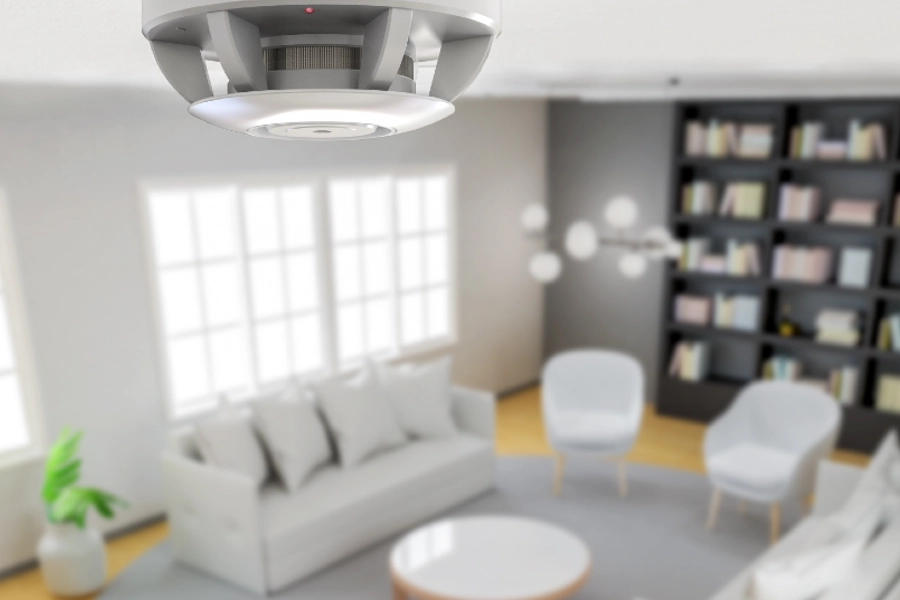
Safety is paramount when using any gas appliance. Here are some tips to help you and your family stay safe:
- Follow Manufacturer’s Guidelines: Always refer to the manufacturer’s guidelines for specific instructions related to your gas log fireplace.
- Check for Gas Leaks: If you smell gas, turn off the gas valve immediately and ventilate the room. Do not light any flames.
- Install Carbon Monoxide Detectors: Place these in your home to detect any harmful gases.
- Keep the Flue Open: For vented gas logs, make sure the flue is open to allow exhaust gases to escape.
- Regular Maintenance: Schedule regular maintenance and gas log fireplace repair to keep your fireplace in top shape.
Frequently Asked Questions (FAQs)
How often should I have my gas log fireplace serviced?
It’s recommended to have your gas log fireplace inspected and serviced annually by a professional to make sure it’s operating safely and efficiently.
Can I convert my wood-burning fireplace to a gas log fireplace?
Yes, many wood-burning fireplaces can be converted to gas log fireplaces. Consult with a professional to discuss the options and installation process.
What should I do if I smell gas?
If you smell gas, immediately turn off the gas valve, ventilate the area, and contact a professional. Do not ignite any flames or operate electrical switches.
Are ventless gas logs safe?
Ventless gas logs are designed to burn gas more efficiently, producing fewer emissions. However, it’s crucial to follow all safety guidelines and ensure your room is adequately ventilated.
Why is my pilot light not staying lit?
A pilot light that won’t stay lit could be due to a dirty pilot orifice, a faulty thermocouple, or issues with the gas flow. It’s best to contact a professional for gas log fireplace repair.
Can I leave my gas log fireplace on overnight?
It’s not recommended to leave your gas log fireplace on overnight or unattended. Always turn off the fireplace when you leave the room or go to bed.
How do I clean my gas logs?
Gas logs should be cleaned periodically to remove dust and soot. Turn off the gas and allow the logs to cool completely before cleaning them with a soft brush or cloth.
What is the difference between vented and ventless gas logs?
Vented gas logs require a functional chimney or flue to vent exhaust gases outside. Ventless gas logs do not require a chimney and burn more efficiently, but they should be used in well-ventilated rooms.
How do I adjust the flame height on my gas log fireplace?
The flame height can typically be adjusted using the control knob. Refer to your manufacturer’s guidelines for specific instructions.
What type of fuel do gas log fireplaces use?
Gas log fireplaces can use natural gas or propane. Check that your fireplace is compatible with the type of gas you plan to use.
Using a gas log fireplace is a delightful way to bring warmth and charm to your home during the cold months. By following these simple steps and safety tips, you can enjoy the benefits of a cozy fire with the convenience of modern technology. Remember to have your fireplace serviced regularly, and don’t hesitate to contact us at (405) 622-5961 for any gas log fireplace repair needs. Happy heating!