




















Ever find yourself wondering, “Why is my dryer not drying?” You’re not alone. There are several reasons your electric or gas dryer might be acting up. It could be as simple as being unplugged or having a tripped breaker. Maybe the lint trap or exhaust vent is clogged, the start switch or door latch isn’t working, the thermal fuse has blown, or the drum is just overloaded.
Related Article: Why Is My Dryer Not Getting Hot
With dryers in about 80% of American homes, they’re clearly a household essential. For busy families, a smooth-running laundry room with a reliable washer and dryer keeps daily life on track. So, when your dryer decides to take a day off, it can really throw a wrench in things. Often, this leads to the nagging questions, “Why is my dryer not drying?” and “What can I do to fix it?”
If your clothes are still damp after a cycle, there might be a few culprits—power issues, a broken switch or belt, lint buildup, or just inconsistent maintenance. Our troubleshooting team has put together this handy guide to help you figure out what’s going wrong with your dryer and how to get it back in shape.
When you need a hand with a troublesome electric or gas dryer, look no further than Don Fuller Appliance Repair. We’re here to help get everything spinning smoothly again.
Common Reasons Your Dryer Isn’t Drying

Blocked Dryer Vent
One of the most common reasons a dryer isn’t drying clothes effectively is a blocked dryer vent system. When the vent is clogged, it restricts airflow, preventing hot air from circulating through the dryer. This results in clothes remaining wet after the drying cycle.
How to Check for a Blocked Vent
- Locate the Vent: Find the vent hose at the back of your dryer and trace it to where it exits your home.
- Inspect for Blockages: Look for any obstructions or lint build-up.
- Clean the Vent: Use a nylon brush or vacuum to remove any debris.
Dirty Lint Screen
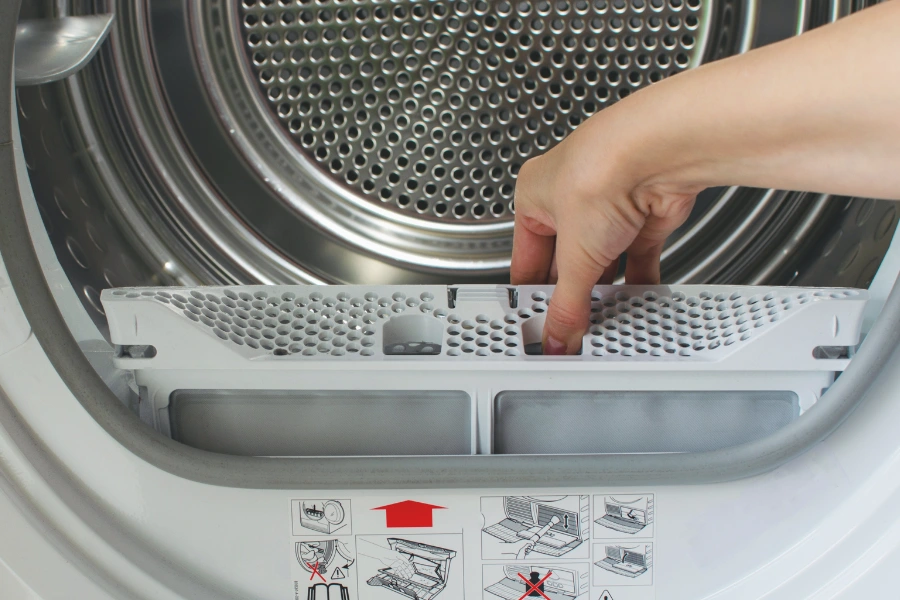
A dirty dryer’s lint screen can also cause your dryer to underperform. The lint screen traps fibers from clothing, but if it’s blocked, it can restrict airflow.
How to Clean the Lint Screen
- Remove the Screen: Pull out the lint screen from the dryer.
- Clean with Water: Rinse the screen under hot water to remove any lint.
- Scrub if Necessary: Use a brush to gently scrub away any remaining residue.
- Dry and Replace: Let the screen dry completely before reinserting it into the dryer.
Malfunctioning Heating Element
A faulty heating element can prevent an electric dryer from producing hot air. Gas dryers rely on a gas burner to generate heat, and issues with the burner can cause similar problems, affecting the dryer cycle.
Diagnosing a Faulty Heating Element
- Check for Heat: Run the dryer on a high heat setting. If you don’t feel hot air, the heating element might be faulty.
- Inspect the Element: Access the heating elements by removing the back panel of the dryer.
- Test for Continuity: Use a multimeter to test the heating element for continuity. If there’s no continuity, the element needs to be replaced.
Overloaded Dryer
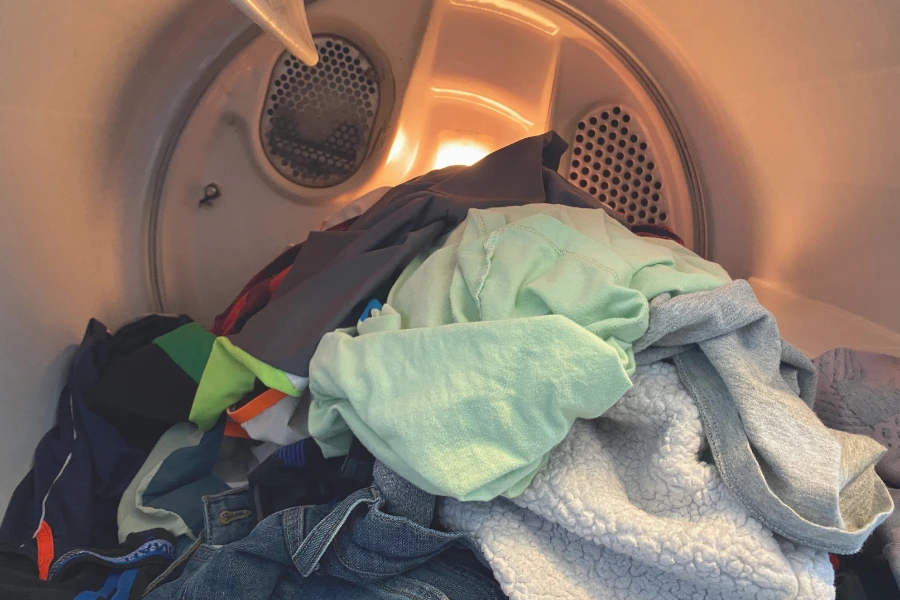
Overloading the dryer with too many clothes can prevent proper airflow, resulting in wet clothes at the end of the cycle.
How to Avoid Overloading
- Follow the Capacity Guidelines: Check the dryer’s owner’s manual for the recommended load size.
- Dry in Smaller Loads: If clothes aren’t drying, try reducing the load size.
Troubleshooting for a Dryer Not Drying
Step 1: Check the Power Supply
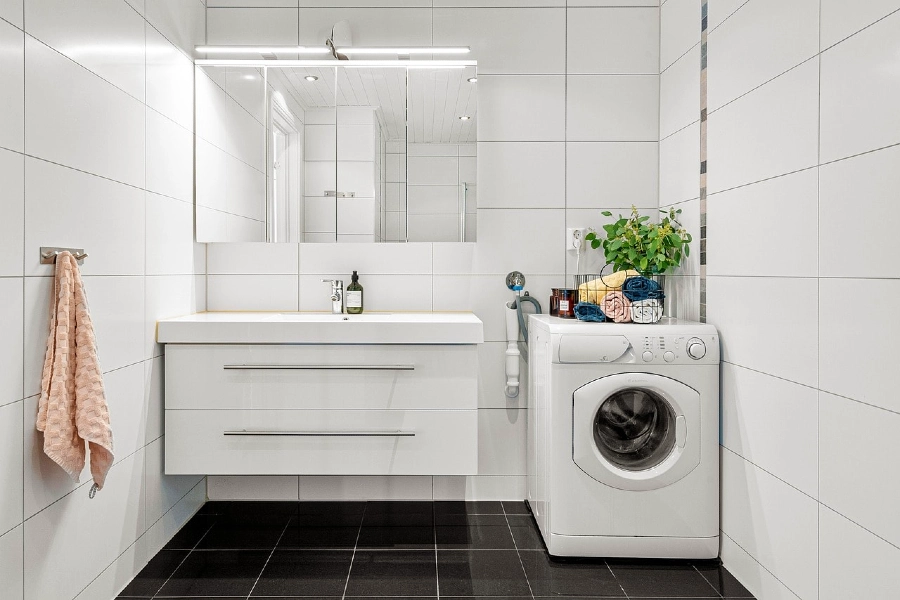
Ensure that the dryer is properly plugged into the outlet. For electric dryers, make sure the dryer is connected to a dedicated circuit breaker. Gas dryers should have a steady supply of gas.
Step 2: Clean the Lint Trap
A blocked lint screen can hinder airflow. Clean the lint trap before every load to ensure proper airflow.
Step 3: Inspect the Vent Hose
Check the vent hose for any kinks or blockages. Make sure the hose is securely connected and that the vent is clear.
Step 4: Examine the Blower Wheel
The blower wheel circulates air through the dryer. If it’s damaged or obstructed, it can affect the drying process.
Step 5: Check the Drum Seals
The dryer drum should have seals that keep the air inside. If these seals are worn or damaged, replace them to ensure proper airflow.
Step 6: Verify the Heating Element or Burner
For electric dryers, test the heating element for continuity. For gas dryers, ensure the burner is functioning correctly.
Step 7: Test the Thermal Fuse
The thermal fuse is a safety device that shuts off the dryer if it overheats. If the fuse is blown, the dryer won’t heat properly.
How to Test the Thermal Fuse
- Locate the Fuse: The thermal fuse is usually located on the dryer’s blower housing or near the heating element.
- Use a Multimeter: Test the fuse for continuity. If there’s no continuity, replace the fuse.
Maintenance Tips for a Well-Functioning Dryer
Regular Cleaning
Regularly clean the lint screen, vent hose, and dryer drum to ensure proper airflow and efficient drying.
Proper Loading
Avoid overloading the dryer. Follow the manufacturer’s guidelines for load size to ensure clothes dry properly.
Use the Right Detergent
Using too much liquid detergent can cause excessive suds, leading to poor rinsing and more residue on clothes, which can affect drying efficiency. Use the recommended amount of detergent.
Routine Inspections
Periodically inspect the heating elements, blower wheel, and other components to ensure they’re in good working condition.
Advanced Troubleshooting Tips

Checking the Control Panel
The control panel manages the dryer’s settings. If the panel is malfunctioning, it can affect the dryer’s performance.
How to Troubleshoot the Control Panel
- Reset the Dryer: Unplug the dryer for a few minutes, then plug it back in to reset the control panel.
- Check for Error Codes: Refer to the owner’s manual for any error codes displayed on the panel and follow the troubleshooting steps.
Assessing the Drive Belt
The drive belt turns the dryer drum. If the belt is broken or worn, the drum won’t turn, and clothes won’t dry properly.
How to Inspect the Drive Belt
- Remove the Dryer Panel: Access the drive belt by removing the dryer’s front or back panel.
- Check the Belt: Look for signs of wear or damage. Replace the belt if necessary.
Examining the Venting System
A clogged dryer vent system can cause restricted airflow, leading to longer drying times and potential overheating.
How to Clean the Venting System
- Disconnect the Vent Hose: Remove the vent hose from the dryer and the wall vent.
- Clean the Hose: Use a vacuum or brush to remove any lint or debris from the hose.
- Inspect the Wall Vent: Make sure the wall vent is clear of any obstructions.
Ensuring Adequate Airflow
Proper airflow is crucial for effective drying. Make sure the dryer has enough space around it for air circulation and that the venting system is not obstructed.
Dryer Dilemmas: Quick Answers to Common Questions
Why is my dryer taking longer to dry clothes?
Long drying times can be caused by a blocked vent, dirty lint screen, or a malfunctioning heating element, all of which can disrupt the dryer cycle. Ensure the vent is clear, the lint screen is clean, and the heating element is functioning properly.
Can a dirty lint screen cause my dryer not to dry?
Yes, a dirty lint screen can restrict airflow, preventing the dryer from drying clothes efficiently. Clean the lint screen before every load.
How do I know if my dryer vent is clogged?
Longer drying times, hot clothes and dryer exterior, and a burning smell are all signs of a clogged dryer vent. Clean the vent regularly to prevent clogs.
Is it safe to use the dryer with a blocked vent?
No, using the dryer with a blocked vent can cause overheating, which can damage the dryer and pose a fire hazard. Clean the vent to ensure safe operation.
How often should I clean my dryer vent?
It’s recommended that the dryer vent system be cleaned at least once a year. If you use the dryer frequently, consider cleaning it more often.
Can I clean the dryer vent myself?
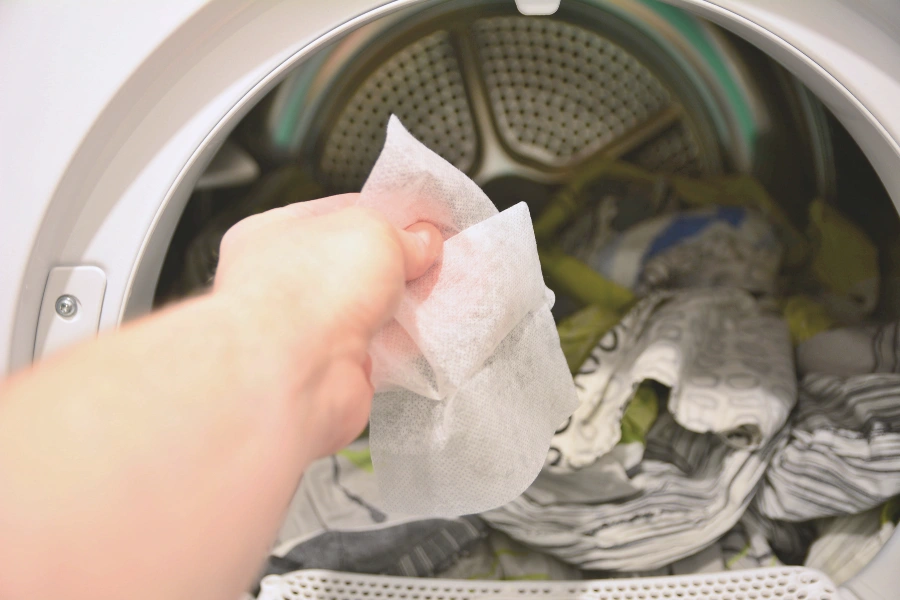
Yes, you can clean the dryer vent yourself using a nylon brush or vacuum. However, for thorough cleaning, consider hiring a professional.
What should I do if my dryer is making rattling sounds?
Rattling sounds can indicate loose parts or debris in the dryer drum. Check for any foreign objects and tighten any loose screws or components.
How do I check if the heating element is working?
A multimeter will be used to test the element for continuity. If there’s no continuity, the element needs to be replaced.
Can using too much detergent affect drying?
Yes, using too much detergent can leave residue on clothes, affecting the drying process. Use the recommended amount of detergent.
When should I call a professional for dryer repair?
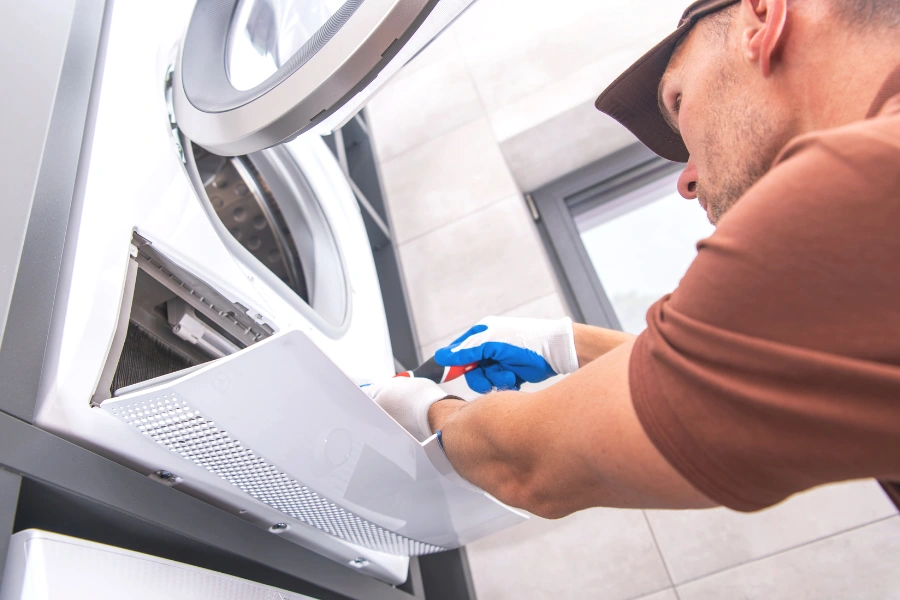
If you have tried all of the troubleshooting steps and your dryer is still not drying clothes, it is time to call a professional. Don Fuller’s technicians can diagnose and fix more complex issues.
By following these troubleshooting tips and maintaining your dryer properly, you can ensure it dries clothes efficiently and lasts for many years. Regular cleaning and inspections are key to keeping your dryer in top condition.
Dryer Chronicles: Conquer the Clingy Clothes Curse

Dealing with a dryer that’s leaving your clothes damp can be a real headache, but with a little care and attention, you can often get things back on track. Make it a habit to clean the dryer vent and lint screen regularly, give your dryer some breathing room by avoiding overloading, and ensure it has proper airflow. If persistent problems are driving you up the wall, don’t hesitate to reach out for appliance repair in OKC. The trick is to keep on top of maintenance and tackle issues as they arise, keeping your dryer in tip-top shape.
And if you’ve tried everything but your clothes are still coming out less than fluffy, it might be time to grab the owner’s manual or give our expert, Don Fuller, a call. He’s always ready to lend a hand and get your dryer back to doing its job in no time!
Contact us today to schedule your dryer repair and get your appliance back in top working condition.


