That refrigerator that starts humming louder than usual or the dryer that suddenly takes two cycles to finish a load rarely quits without warning. Most major appliances give small signs before a bigger breakdown, and homeowners who catch those signs early usually save money, avoid bigger repairs, and get more life out of the equipment they rely on every day. This homeowner guide to appliance maintenance is built to help you spot the basics, stay ahead of common problems, and know when a professional repair is the smarter call.
For most households, appliance maintenance is less about technical skill and more about consistency. You do not need to take apart a washer or troubleshoot a control board to make a real difference. What matters is keeping appliances clean, using them as intended, and paying attention when performance changes.
Why appliance maintenance matters for homeowners
A major appliance works hard in Oklahoma homes. Refrigerators run around the clock. Dryers and washers handle heavy weekly use. Ovens, dishwashers, ice machines, and garbage disposals all take wear from daily routines. When maintenance gets skipped, the usual result is not just inconvenience. It can mean higher utility bills, spoiled food, water leaks, longer drying times, poor cleaning performance, and parts wearing out sooner than they should.
There is also a trade-off homeowners should keep in mind. Some routine care is simple and worthwhile, but not every issue should turn into a do-it-yourself project. Cleaning coils or replacing a water filter makes sense for most people. Opening up a gas appliance or diagnosing an electrical fault is different. Good maintenance helps prevent trouble, but safe repair decisions matter just as much.
A practical homeowner guide to appliance maintenance by appliance
Refrigerator
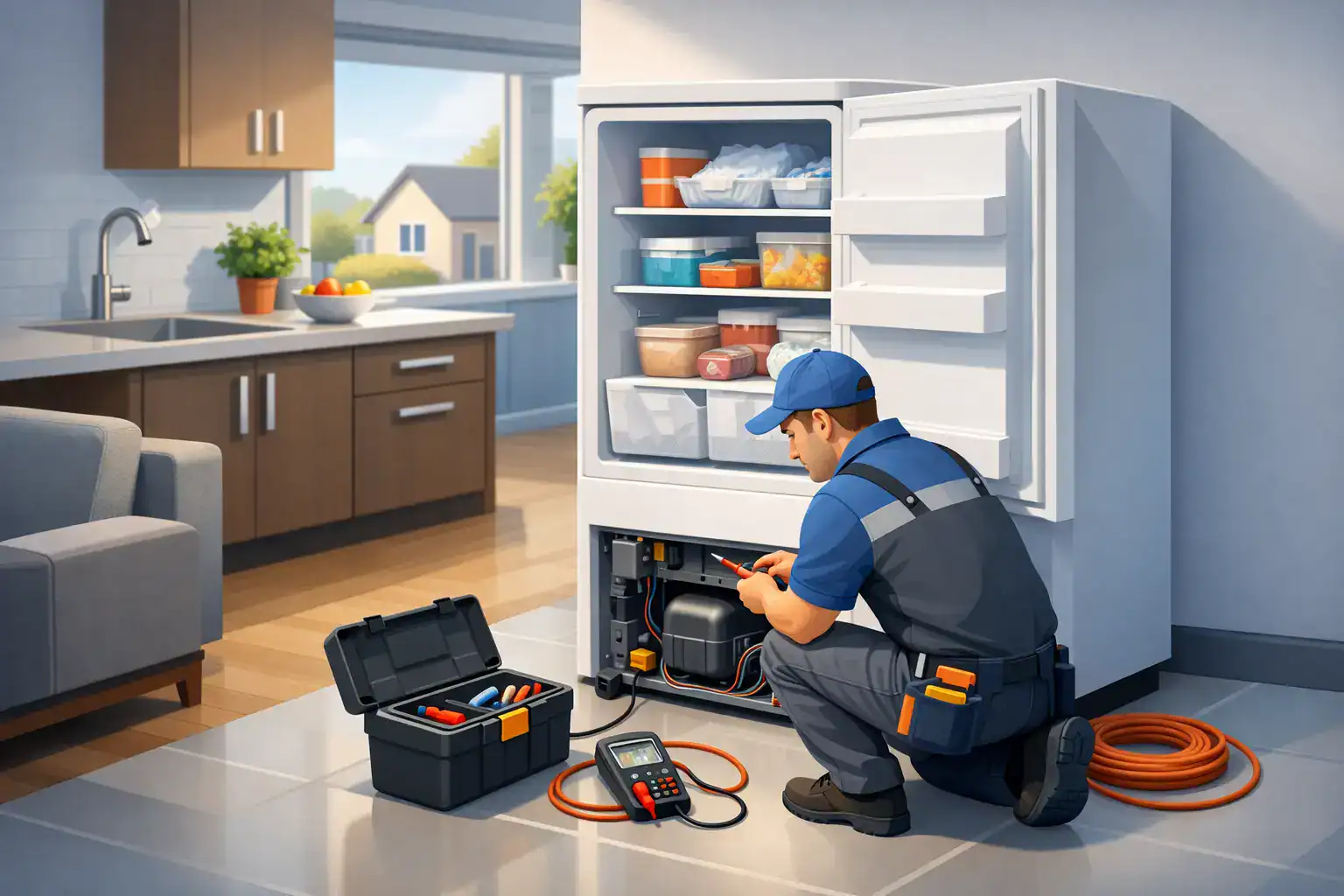
Your refrigerator needs airflow, clean surfaces, and a good door seal to do its job efficiently. One of the most useful maintenance steps is cleaning the condenser coils. If dust and pet hair build up on the coils, the refrigerator has to work harder to stay cold. That strain can shorten the life of the compressor and raise energy use.
Check the door gaskets every few months. If the seal is cracked, loose, or covered with grime, cold air escapes and the unit runs longer than it should. Wipe the gaskets clean and make sure the doors close fully. Inside the refrigerator, avoid overpacking shelves so air can circulate. If you notice uneven cooling, frost buildup, water under drawers, or a motor that seems to run constantly, those are signs it may be time for service rather than more maintenance.
Dishwasher
A dishwasher that smells bad or leaves food behind often needs cleaning before it needs repair. Clean the filter regularly if your model has one, and check the spray arms for debris that may block water flow. Hard water and detergent residue can also build up over time, so the interior benefits from occasional cleaning.
Take a look at the door seal and the area around the bottom edge of the door. Small leaks often start there. It also helps to scrape heavy food off dishes before loading. That does not mean prewashing everything, but large scraps can clog the system and reduce cleaning performance.
Washer
Washers deal with soap residue, moisture, and constant movement, which is why small habits matter. Do not overload the drum, even if it seems like one more towel will fit. Overloading puts extra stress on suspension parts, bearings, and the motor. Use the right amount of detergent too. Too much soap can leave residue behind and create drainage problems, especially in high-efficiency machines.
If you have a front-load washer, leave the door cracked open between loads to reduce moisture and odor. Wipe the door boot and check for trapped debris. For top-load and front-load models alike, keep an eye out for slow draining, banging during spin cycles, or water where it should not be. Those are common signs that maintenance alone may not solve the issue.
Dryer
Dryer maintenance is one of the most important parts of home appliance care because it affects both performance and safety. Clean the lint filter after every load. Just as important, inspect and clean the dryer vent line on a routine basis. A clogged vent can cause longer dry times, overheating, and unnecessary wear on heating components.
Pay attention to how the dryer sounds and how hot clothes feel at the end of a cycle. If loads are taking much longer than normal, the vent may be restricted or the appliance may need repair. Crushed vent hoses, poor airflow, and ignored lint buildup are all common problems. This is one area where preventive care pays off quickly.
Oven and range
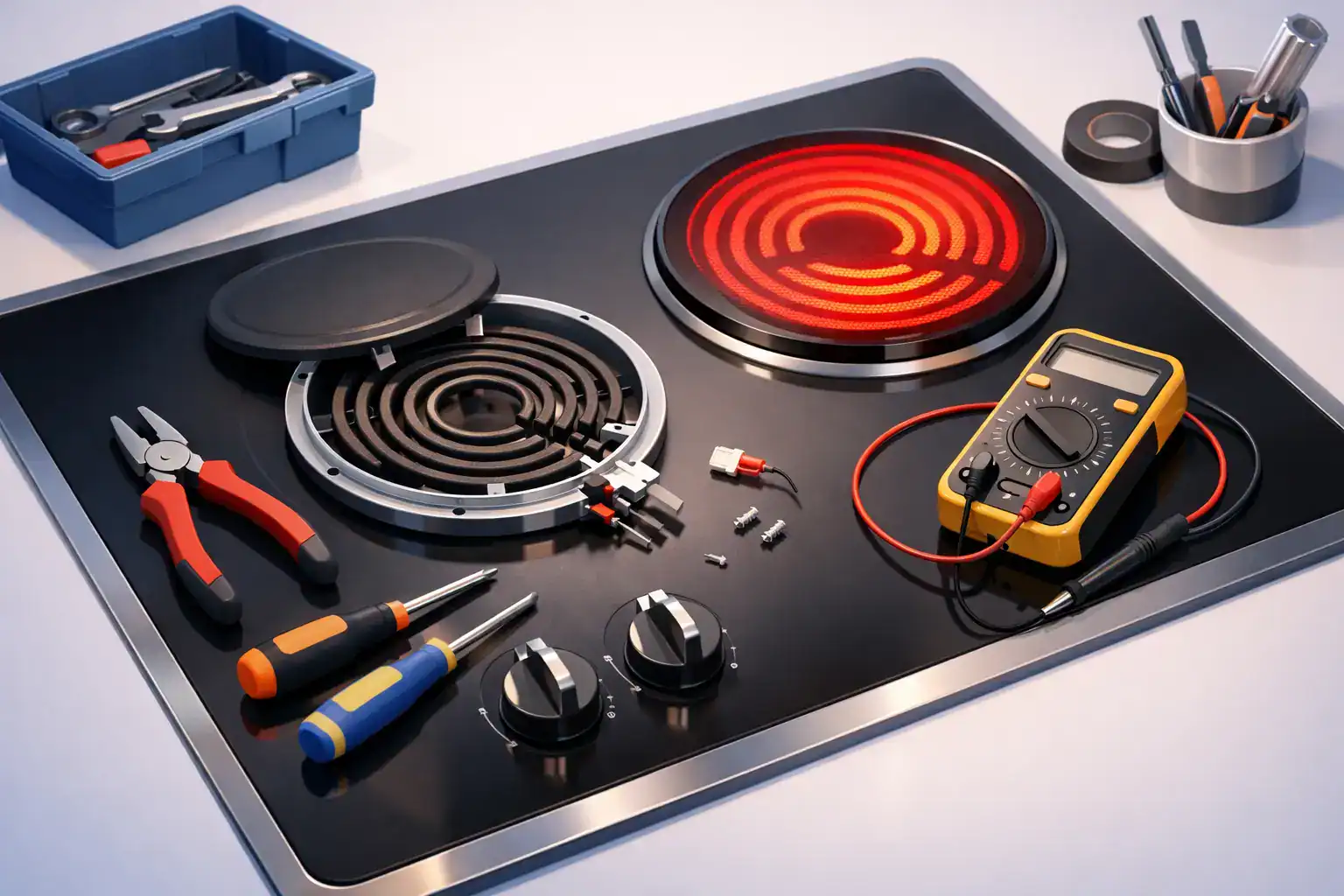
For ovens and cooktops, maintenance mostly comes down to cleanliness and early attention to performance changes. Spills left in the oven can create smoke, odors, and extra wear during future use. Burners that click constantly, heat unevenly, or stop igniting should not be ignored.
With electric units, damaged burner elements or failing controls can get worse over time. With gas appliances, any smell of gas or ignition issue should be taken seriously right away. Basic cleaning is a homeowner task. Anything involving gas lines, igniters, or electrical components should be handled by a trained technician.
Microwave
Microwaves are easy to overlook until they stop heating. Keep the interior clean so food splatter does not harden and interfere with performance. Make sure the door closes properly and do not run the microwave empty, which can damage internal components.
If the unit sparks, makes unusual noises, or runs without heating food, stop using it. A microwave can store electrical charge even when unplugged, so internal repair is not a safe DIY project.
Garbage disposal
A garbage disposal lasts longer when it is used with care. Run cold water before, during, and after use. Avoid putting grease, fibrous foods, bones, and large amounts of starchy scraps into the disposal. Those items can jam the unit or clog the drain.
If the disposal hums but does not grind, or if it leaks under the sink, do not keep forcing it. A jam may be minor, but a leak or recurring reset issue usually means the unit needs closer inspection.
Maintenance habits that help every appliance
The most effective maintenance routines are simple enough to keep doing. Start by watching for changes in sound, smell, cycle time, temperature, and performance. Appliances do not need to fail completely before they need attention.
It also helps to keep the area around appliances clean and unobstructed. Refrigerators need breathing room. Dryers need proper venting. Washers and dishwashers benefit from checking hoses and connections now and then for wear or moisture. Replacing a worn hose early is a lot easier than cleaning up after a leak.
Manufacturer instructions matter too. Not every appliance needs the same care on the same schedule. Some refrigerator coils are easier to access than others. Some dishwashers have removable filters while others do not. If you still have the owner’s manual, it is worth using. If not, maintenance should stay on the safe, visible side of the appliance.
When maintenance is enough and when repair makes more sense
A good homeowner guide to appliance maintenance should be honest about the line between upkeep and repair. If the issue is external, routine, and clearly safe, maintenance is usually a good first step. That includes cleaning filters, wiping seals, clearing lint, replacing approved water filters, and checking for obvious blockages.
If the appliance is leaking, tripping breakers, failing to heat or cool correctly, making grinding or burning smells, or showing repeated error codes, it is time to move past maintenance. The same goes for gas appliances, built-in units, and any situation where disassembly would be required. Trying to save money with a guess can end up making the repair larger and more expensive.
For homeowners in Edmond, Oklahoma City, and nearby communities, having a reliable local repair company matters when that line gets crossed. An experienced technician can tell the difference between a maintenance issue and a failing part, and that saves time as much as money.
A realistic schedule homeowners can follow
You do not need a complicated checklist to stay on top of appliance care. Monthly, clean the dryer lint area, check the washer for residue or odor, and pay attention to any changes in how appliances are running. Every few months, inspect refrigerator door seals, clean visible buildup from the dishwasher filter, and look over hoses and connections. At least seasonally, check the dryer vent, clean refrigerator coils if accessible, and deal with small warning signs before they become urgent.
The best schedule is the one you will actually keep. For busy families, tying a few tasks to the start of a new season often works better than trying to remember individual dates.
Appliances are a big part of keeping a home running smoothly, but they do not ask for much if you stay ahead of the basics. A little maintenance can prevent a lot of disruption, and when something goes beyond routine care, getting help quickly is often the best way to protect both the appliance and your peace of mind.