A dinner plan can unravel quickly when an oven will not heat, takes twice as long to bake, or burns food on one side of the pan. When that happens, homeowners often ask whether oven repair worthwhile is the right question – or whether replacement is the better use of money. The answer depends on the oven’s age, the specific failure, the cost of the repair, and whether the appliance can still serve your household safely and reliably.
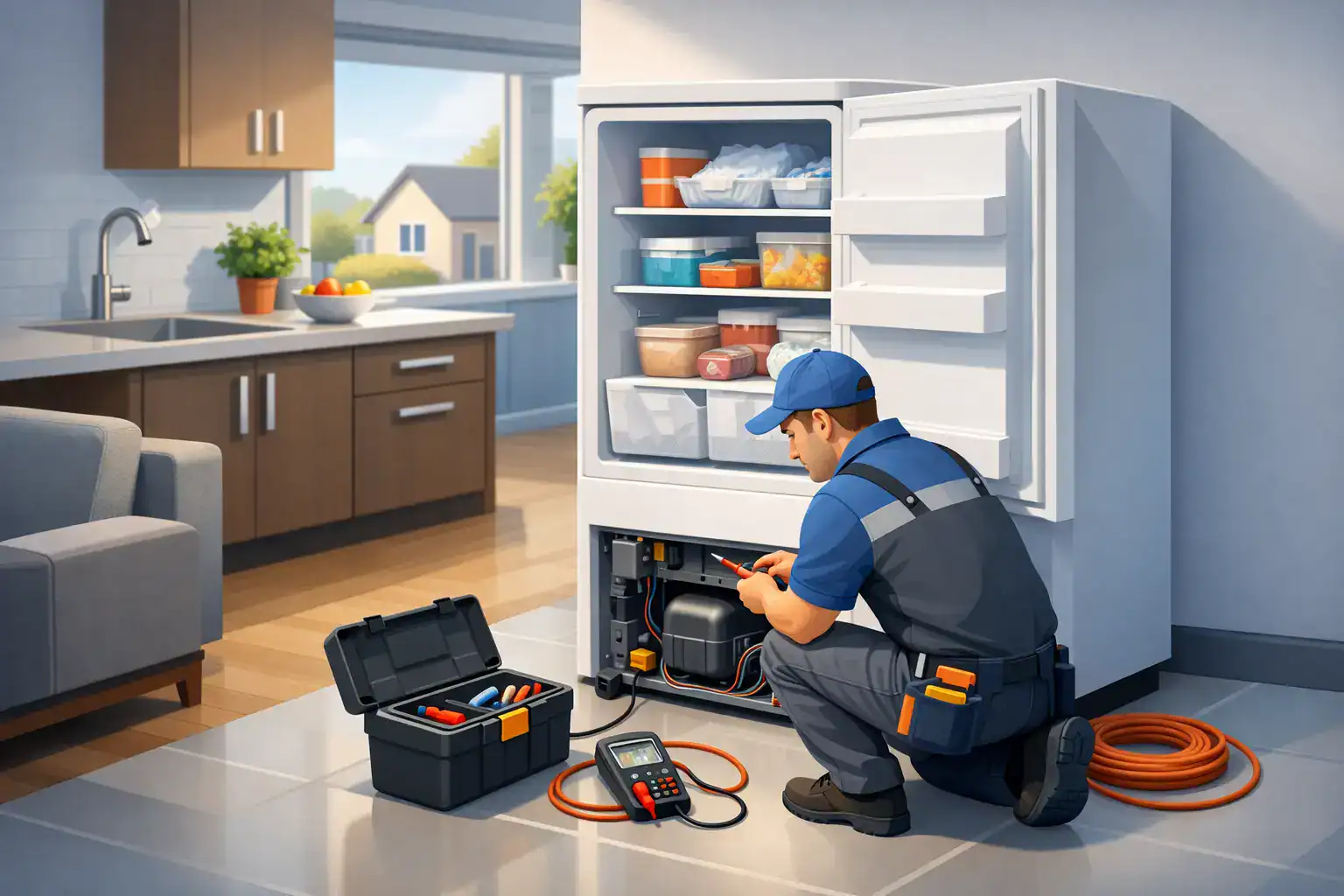
A professional diagnosis is the best starting point. Many oven problems have a repairable cause, from a failed bake element to a faulty igniter or temperature sensor. Replacing an entire range before identifying the actual issue can turn a manageable repair into an unnecessary expense.
Is Oven Repair Worthwhile for Your Situation?
For many households, repairing an oven makes practical sense when the appliance is under about 10 to 15 years old, the repair is limited to one or two components, and the rest of the range is in good condition. A quality oven can have a useful life beyond that range with proper care, especially if it has been dependable and has not needed frequent service.
The decision changes when repairs become repetitive. If the oven has had several failures in a short period, has rust or major damage, cannot maintain safe temperatures, or needs an expensive control board along with other work, replacement may offer better long-term value. The goal is not simply to choose the lowest immediate cost. It is to avoid putting good money into an appliance that is likely to interrupt your routine again soon.
For homeowners in Edmond, Oklahoma City, and nearby communities, timing matters, too. If a holiday meal, family gathering, or busy school week is around the corner, a prompt repair may restore normal kitchen use far sooner than shopping for, ordering, and installing a new unit.
Start With the Age and Overall Condition
Age is useful, but it should not be the only factor. An 11-year-old oven that heats evenly, has a clean interior, and has only developed one issue may be an excellent repair candidate. A newer oven with persistent electronic problems or signs of poor previous maintenance deserves a more careful cost comparison.
Look beyond the part that failed. Consider whether the door closes firmly, the racks and hinges are intact, the cooktop works as expected, and the display and controls are responsive. For gas ranges, pay close attention to burner performance and any unusual odors. A single worn part is very different from a range with multiple aging systems.
Typical Lifespans Are Only a Guide
Many electric and gas ranges last roughly 13 to 15 years, though actual lifespan varies by model, usage, maintenance, and installation conditions. Households that cook daily put far more demand on an oven than occasional users. Heat, spills, damaged door seals, and blocked vents can also shorten the life of important components.
A qualified technician can help put the age in context. They can identify whether the problem is isolated or whether it points to broader wear inside the appliance.
Compare the Repair Cost With Replacement Costs
A common rule of thumb is to consider replacement when a repair approaches half the cost of a comparable new appliance. That guideline is helpful, but it is not absolute. Replacing a built-in wall oven, a slide-in range, or a model that matches existing cabinetry can involve delivery, installation, electrical or gas work, and possible modifications that do not show up on the price tag at first.
Repair may be the better value when the issue is a heating element, igniter, thermostat, sensor, switch, or door component. These parts commonly fail from normal use, and replacing them can give an otherwise sound oven more dependable years of service.
Control board repairs require more consideration. Electronic boards can be costly, and availability varies by make and model. If a board is discontinued or the oven has additional problems, a replacement appliance may be more sensible. A technician should explain the findings plainly, including parts availability, repair pricing, and what to expect after the work is completed.
Do not decide based on a guess about the problem. An oven that appears to have a major electrical failure may only have a damaged element or loose connection. On the other hand, an oven that merely seems to run hot may have a failing sensor, a worn gasket, or a calibration issue. Accurate diagnosis protects your budget.
Consider Safety Before Cost
Some oven issues should not wait. If you smell gas, hear a persistent hissing sound near a gas appliance, see sparking or scorched wiring, notice smoke unrelated to food, or have a breaker that repeatedly trips, stop using the appliance until it can be assessed. Gas leaks and electrical faults are not do-it-yourself troubleshooting projects.
Uneven heating is usually less urgent, but it still affects more than convenience. Food that does not reach a safe internal temperature can be a concern, particularly when cooking meat, casseroles, or large meals. An oven that runs too hot can also damage cookware, burn food, and create unnecessary smoke.
A working oven should heat predictably, maintain its selected temperature reasonably well, and allow the door to close securely. If it cannot do those things, repair is worthwhile when it restores safe, dependable operation at a sensible cost.
Common Problems That Are Often Repairable
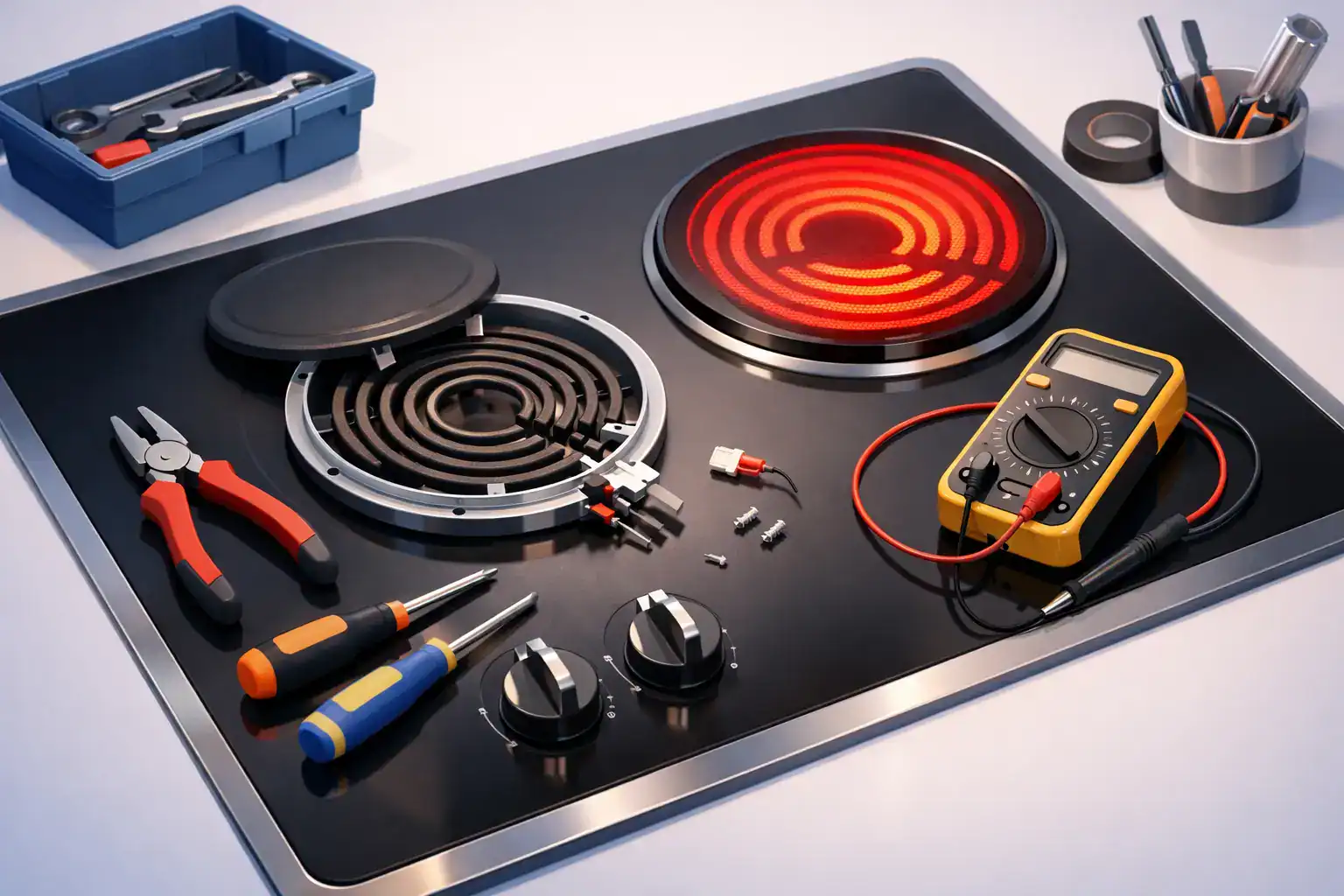
Several frustrating oven symptoms are caused by components technicians replace regularly. In electric ovens, a burned-out bake or broil element may leave the oven cold or prevent it from reaching temperature. In gas ovens, a weak or failed igniter can keep the burner from lighting even when the surface burners still work.
A faulty temperature sensor can cause undercooked centers, overbrowned edges, or long cooking times. A damaged door gasket can let heat escape, forcing the oven to work harder and making temperatures inconsistent. Problems with switches, relays, wiring, hinges, lights, and touch controls may also be repairable depending on the model and parts availability.
Because several failures can create similar symptoms, replacing a part without testing is risky. For example, an oven that will not heat could involve the element, sensor, control, wiring, or power supply. Professional testing narrows down the cause before a repair recommendation is made.
When Replacement Usually Makes More Sense
Replacement is often the wiser choice when an oven has extensive corrosion, recurring failures, unavailable parts, or a repair estimate that is high compared with a new appliance that fits your needs. It may also be time to replace if your household has outgrown the appliance, such as when a small oven capacity no longer works for frequent family meals or entertaining.
Energy efficiency can play a role, though it should not automatically decide the issue. A newer oven may offer improved insulation, convection features, or more precise controls, but a repairable existing oven does not need to be replaced solely because a newer model is available. The best choice is the one that matches your budget, kitchen setup, and expected years of use.
If you do replace a range, confirm the measurements, fuel type, electrical requirements, ventilation needs, and delivery path before ordering. A good-looking replacement that does not fit the opening or requires unexpected installation changes can become costly quickly.
Get a Clear Answer Before You Commit
The most useful repair visit gives you more than a price. It should tell you what failed, why it likely failed, whether other concerns were found, and whether the repair is a reasonable investment for the appliance’s condition. You deserve straightforward information, not pressure to repair or replace before you understand the options.
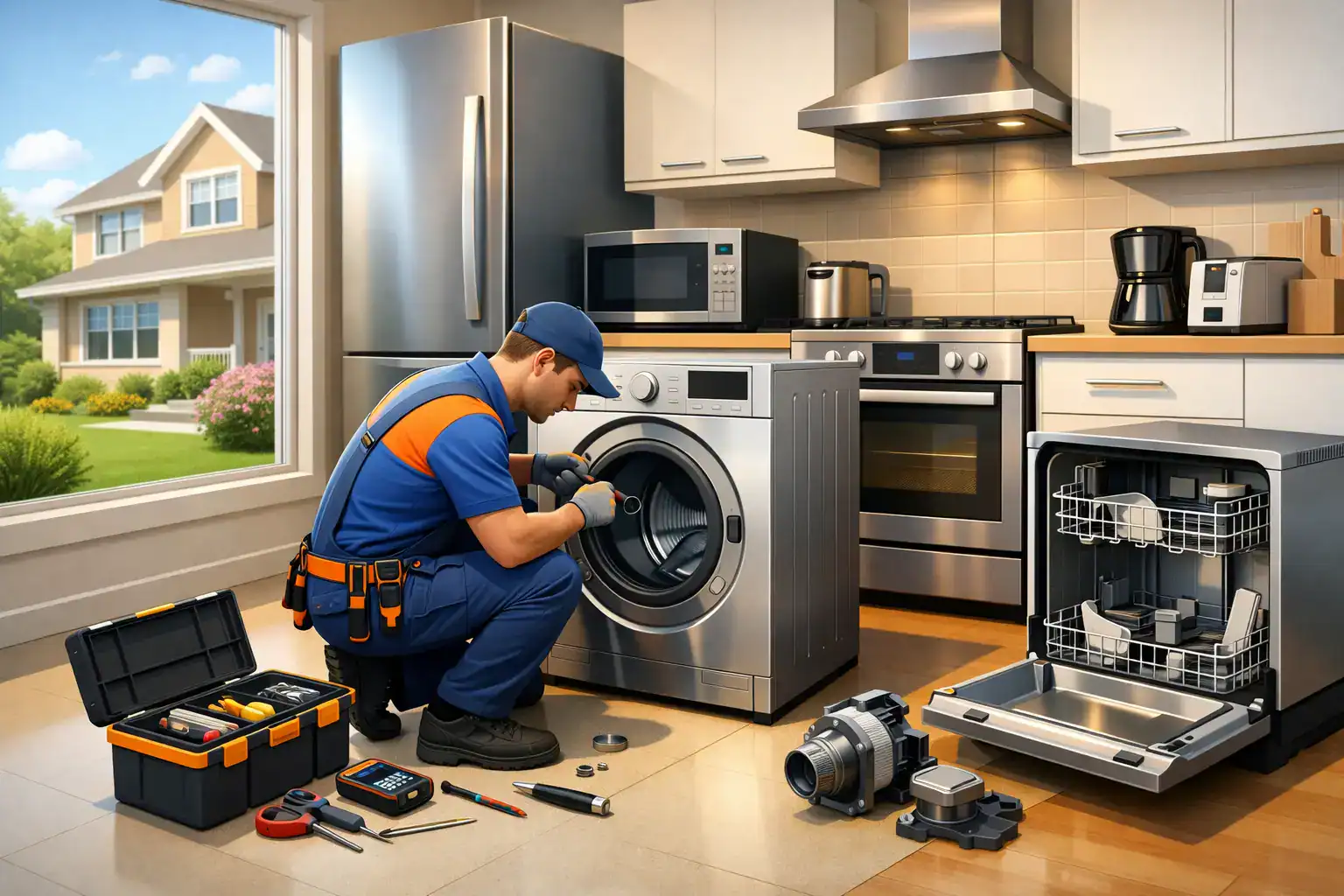
Don Fuller’s Appliance Repair has helped Oklahoma homeowners make those decisions for more than 52 years. An experienced technician can evaluate the problem, explain the practical path forward, and complete a repair when it makes sense for your home.
Before you shop for a replacement or attempt a repair on your own, schedule a professional diagnosis. A clear answer can save you time, prevent unnecessary spending, and get your kitchen back to serving the people gathered around it.