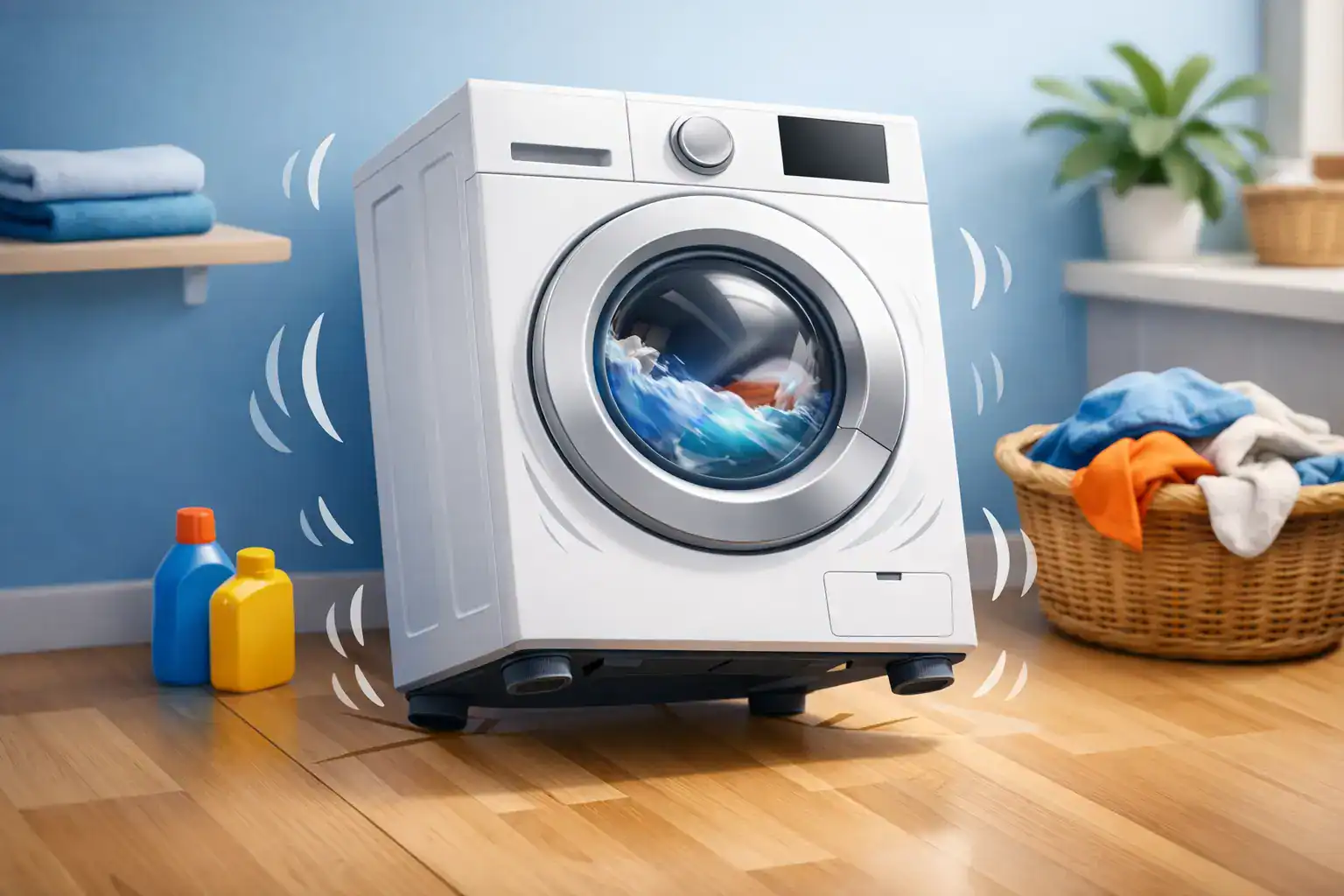
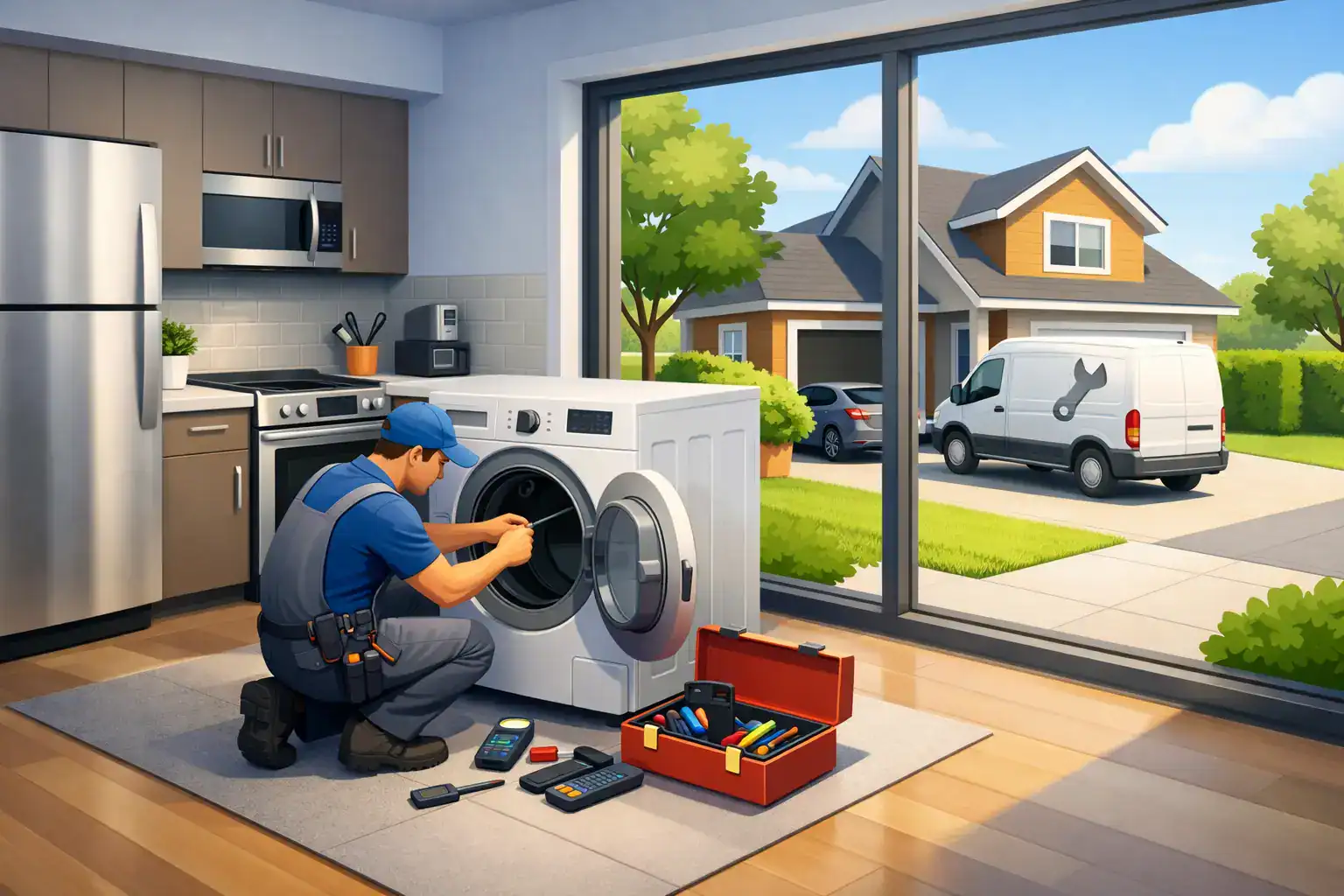
When your microwave light comes on, the turntable spins, and the timer counts down – but your food is still cold – it usually points to a specific kind of failure. Microwave not heating repair is different from fixing a noisy dishwasher or a dryer that will not start, because a microwave uses high-voltage components that can stay dangerous even after the unit is unplugged. For most homeowners, the smartest first step is knowing what you can safely check yourself and what needs professional service.
Why a microwave runs but does not heat
A microwave can look like it is working normally even when the heating system has failed. That is because the display, interior light, fan, and turntable operate separately from the parts that actually generate heat. In many cases, the problem is tied to a failed magnetron, a bad high-voltage diode, a faulty capacitor, or a door switch issue that keeps the unit from heating properly.
Sometimes the cause is simpler. A tripped breaker, an overloaded outlet, incorrect power level setting, or a control board problem can also affect performance. That is why a proper diagnosis matters. Replacing parts based on guesswork can get expensive fast, especially if the wrong component is changed first.
Safe checks before scheduling microwave not heating repair
There are a few basic things you can check without opening the appliance. Start by testing the outlet. Plug in another small kitchen appliance and make sure the power source is steady. If the microwave is on a weak or shared circuit, it may run inconsistently.
Next, confirm the settings. It sounds simple, but power levels can be turned down accidentally, especially on newer models with multiple cooking modes. Try heating a microwave-safe cup of water for one minute on full power. If the water stays cool or only gets slightly warm, the issue is likely internal.
Take a close look at the door as well. If the door does not close firmly, or if it feels loose or misaligned, the microwave may not engage the safety switches correctly. These switches are designed to prevent heating when the door is not fully secured. A worn latch or switch can cause a unit to run without producing heat.
If you notice burning smells, buzzing that sounds louder than usual, sparking, or intermittent heating, stop using the appliance. Those symptoms can point to failing electrical components and should be checked by a trained technician.
The most common parts behind a no-heat microwave
Magnetron failure
The magnetron is the part that creates the microwave energy used to heat food. When it fails, the microwave may appear to operate normally but will not warm anything inside. This is one of the most common causes of a no-heat complaint, especially in older or heavily used units.
There is a trade-off here. If the microwave is a newer built-in model or an over-the-range unit with good overall condition, magnetron replacement may make sense. If it is an older countertop model, replacement may be more cost-effective than repair.
High-voltage diode or capacitor problems
The high-voltage diode works with the capacitor to supply power to the magnetron. If either part fails, heating performance can drop off or stop completely. These components are not safe for DIY testing unless you are trained, because they can store a dangerous electrical charge.
A technician can test these parts accurately and determine whether one failed component caused damage to another. That is important, since replacing only part of the system does not always solve the problem.
Door switch issues
Microwave door switches do a lot of work behind the scenes. If one switch fails or loses alignment, the microwave may still light up and run the fan but not heat. This can happen from normal wear, repeated slamming, or hinge problems.
The good news is that door switch repairs are often more straightforward than high-voltage repairs. The right fix depends on whether the issue is the switch itself, the latch, or the door alignment.
Control board or relay failure
If the control board is not sending power where it should, the microwave may act unpredictably. Some units heat only part of the time. Others stop heating entirely while every other function seems normal.
Control board repairs can be more nuanced because symptoms overlap with other failures. That is another reason diagnosis comes first. Swapping expensive electronic parts without confirming the cause is rarely the best use of your money.
When repair makes sense and when replacement is smarter
Not every microwave not heating repair is the same. The type of microwave matters. A built-in or over-the-range microwave often costs more to replace and install, so repair is usually worth serious consideration. Countertop microwaves are less expensive to replace, which changes the value equation.
Age matters too. If your unit is near the end of its expected lifespan and has other issues such as a broken display, worn keypad, or damaged door, replacement may be the better long-term choice. But if the microwave is otherwise in solid condition, a targeted repair can restore dependable performance and save the cost and hassle of shopping for a new unit.
A good service call should help you make that decision clearly. You should know what failed, what the repair will cost, and whether the fix is likely to hold up. Homeowners do not need a sales pitch – they need honest guidance.
Why microwave repairs should not be a DIY project
Microwaves are one of the few household appliances that homeowners should be especially careful with. Even after the power cord is unplugged, internal high-voltage components can remain dangerous. Removing the outer cover to test or replace parts without proper training creates a real risk of serious injury.
There is also the matter of safe operation after the repair. A microwave door, latch system, and shielding all have to work correctly. If those parts are not reassembled properly, the unit may not operate safely. What looks like a simple part swap online can turn into a much bigger problem in your kitchen.
For homeowners in Edmond, Oklahoma City, and surrounding areas, professional service is usually the fastest route back to normal. An experienced technician can identify whether the issue is worth repairing, avoid unnecessary parts costs, and get the appliance working again without guesswork.
What to expect from a professional microwave not heating repair visit
A proper service visit starts with questions about what the microwave is doing and what it is not doing. Does it run but stay cold every time? Does it heat only occasionally? Did the problem begin suddenly, or has performance been getting weaker over time? Those details help narrow the diagnosis.
From there, the technician checks the appliance safely, tests the relevant components, and looks for related issues that could affect the repair. In some cases, the problem is isolated and straightforward. In others, multiple parts may be involved, especially if the appliance has continued running with a failing component.
You should also expect clear pricing before major work is completed. Trust matters in home service, especially when you are inviting someone into your kitchen and relying on their recommendation. That is why many Oklahoma homeowners turn to established local companies with a long track record, responsive scheduling, and workmanship they stand behind. Don Fuller’s Appliance Repair has built that trust over decades by focusing on dependable service and practical solutions.
Signs you should call sooner rather than later
If your microwave is not heating at all, it is already time to schedule service. But some warning signs show up earlier. Food taking much longer to heat, unusual humming, a door that feels loose, random shutdowns, or a burning odor can all point to developing failure.
Getting the problem checked early may help prevent further damage. It also helps you avoid the inconvenience of a microwave failing completely in the middle of a busy week. For many households, that appliance gets used more than they realize until it stops working.
A cold microwave dinner is annoying. A microwave that runs without heating, makes strange noises, or smells hot is telling you something more useful: it needs attention from someone who knows exactly what to look for. The right repair is not just about getting heat back – it is about restoring a kitchen you can count on.