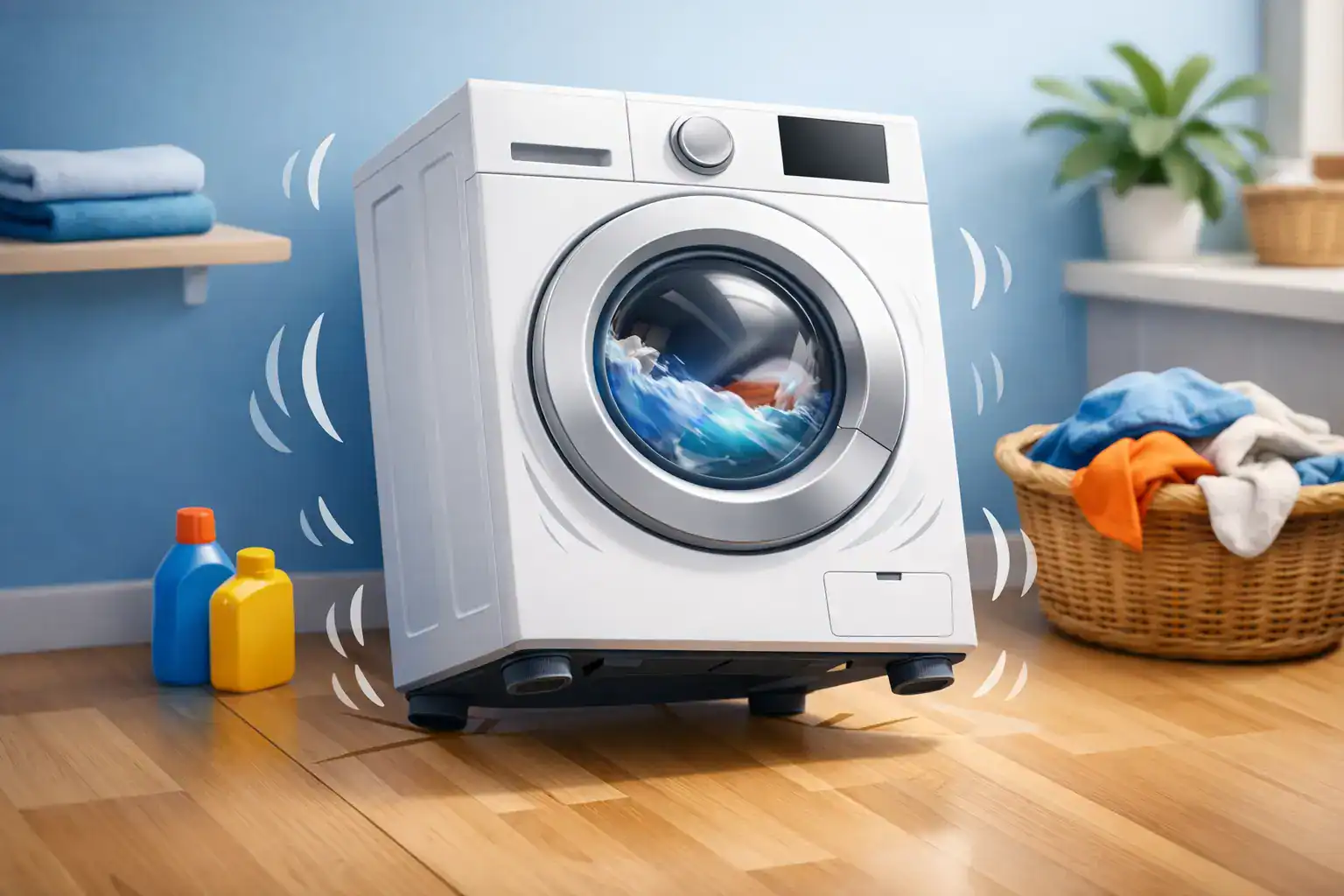
Laundry backs up fast when a washer stops spinning. One day it is a normal load of towels, and the next you are pulling out clothes that are still dripping wet. In many washer not spinning repair calls, the cause is something simple. In other cases, the machine is warning you that a worn or failed part needs professional attention before the problem gets worse.
If your washer fills and drains but will not spin, or it spins weakly and leaves clothes soaked, the best next step is a careful check of the most common causes. A little troubleshooting can save time. It can also help you decide when repair makes more sense than guessing and hoping the next cycle fixes itself.
Washer not spinning repair starts with the basics
Before assuming the motor or transmission has failed, start with the items that most often interrupt the spin cycle. A surprising number of no-spin calls come down to balance, settings, or drainage.
An unbalanced load is one of the first things to rule out. If a single blanket, heavy rug, or clump of jeans shifts to one side, many washers will stop spinning to protect the tub and suspension. Try redistributing the load and running a drain and spin cycle again. Front-load and top-load models can both react this way, although top-load washers tend to show it more obviously by banging or shaking.
The selected cycle also matters. Some delicate, hand-wash, or no-spin settings reduce or skip the final spin. It sounds obvious, but it is worth checking before moving deeper into washer not spinning repair. If someone in the household changed the setting on the previous load, the washer may be doing exactly what it was told to do.
Then look at the lid or door. Top-load washers usually need the lid switch to engage before spinning. Front-load washers rely on the door lock assembly. If the machine senses that the lid is open or the door is not locked properly, it may wash and drain but refuse to spin for safety reasons.
When drainage is the real problem
A washer that does not drain fully often cannot move into a proper spin cycle. That is because many machines are designed to stop spinning if water remains in the tub.
If you hear the pump running but the water leaves slowly, there may be a kinked drain hose, a clog in the pump filter, or an obstruction in the drain line. Small items like baby socks, coins, hair ties, and lint buildup are common culprits. On some front-load machines, cleaning the pump filter can solve the issue quickly. On others, getting to that filter or pump safely takes more disassembly than most homeowners want to handle.
A failed drain pump can look similar at first. The difference is that the machine may hum, stop mid-cycle, or leave standing water consistently no matter how the load is arranged. If your washer is holding water and giving off a burning smell or making a harsh grinding noise, shut it off and avoid repeated restart attempts.
Common parts behind a no-spin washer
Once the simple checks are ruled out, the problem usually comes down to a failed component. The exact part depends on the washer style and brand.
In a top-load washer, a worn lid switch is a frequent cause. The washer may fill and agitate normally but stop before spin. In some models, a broken drive coupler can also interrupt spinning. This part connects the motor to the transmission and can wear out over time, especially after repeated heavy loads.
In belt-driven washers, a loose, worn, or broken belt may prevent the drum from reaching spin speed. You might notice a burning rubber smell or hear the motor running without the basket moving as it should. Direct-drive machines have different failure points, but they can still suffer from worn drive components.
Front-load washers often point to the door lock system, motor control board, or drum support issues. A failing control board can send inconsistent signals to the motor. Worn bearings may allow the drum to move poorly or create loud roaring during spin. At that stage, the washer may still attempt to spin, but not with enough force to remove water from clothing.
Suspension rods, dampers, and shock absorbers also deserve attention. When these parts wear out, the washer may become violently unbalanced and stop spinning mid-cycle. Homeowners sometimes assume the machine has a motor problem when the real issue is that the unit cannot stabilize the tub safely.
Signs you can safely check yourself
There are a few things most homeowners can inspect without taking major risks. Start by unplugging the machine. If it is a front-load washer, also be cautious about any remaining water inside.
Check that the washer is level on the floor. An uneven machine can trigger off-balance protection and interrupt spinning. Make sure all four feet are stable and firmly contacting the floor.
Look behind the washer for a crushed or kinked drain hose. If your model has an easy-access pump filter, check for debris. Review the control panel for error codes and write them down before resetting anything. Those codes can make diagnosis much faster if professional service is needed.
You can also test with a small, evenly balanced load. If the washer spins with a few towels but not with regular family laundry, overloading or load distribution may be the main issue. If it never spins, the problem is more likely mechanical or electrical.
When washer not spinning repair should be left to a professional
Some repairs are not good do-it-yourself projects, especially when electrical components, control boards, motors, or internal drive systems are involved. Modern washers are more complex than they look from the outside. Even removing the cabinet on certain models can expose sharp edges, stored water, and live components if proper precautions are not followed.
If the washer trips a breaker, smells hot, makes grinding or screeching noises, or displays recurring fault codes, it is time to stop troubleshooting and schedule service. The same goes for leaks around the base, a drum that sags, or a washer that locks the door and will not complete the cycle.
This is where experience matters. A trained technician can tell the difference between a simple switch failure and a control issue, or between a drain problem and a failing transmission. That means fewer unnecessary parts and less downtime for your household.
For homeowners in Edmond, Oklahoma City, and surrounding areas, fast service can make the difference between a minor disruption and a week of laundromat trips. Companies like Don Fuller’s Appliance Repair see these problems every day and can often diagnose them much faster than trial-and-error part swapping.
Repair or replace?
This is the question many homeowners ask once the washer stops spinning. The answer depends on the age of the machine, the cost of the repair, and the overall condition of the unit.
If the washer is relatively new and the problem is a switch, pump, belt, or suspension part, repair is often the smart move. These are common service items, and fixing them can restore years of useful life. If the washer has been reliable up to this point, replacing it may not make financial sense.
If the unit is older and the diagnosis points to a transmission, major bearing job, or repeated control board failures, replacement may be worth considering. That said, it depends on the model and how the machine has been used. Some washers hold up well for many years and justify a repair that might not make sense on a lower-end unit.
A good service company will give you a clear picture of the problem, explain the likely repair cost, and help you compare that cost to replacement without pressure.
How to reduce future spin problems
No washer lasts forever, but a few habits can help prevent no-spin issues. Avoid overloading the tub, especially with bulky items that trap water and throw off balance. Check pockets for coins and small objects before washing. Use the right amount of detergent, since excess suds can interfere with draining and spinning on some models.
It also helps to wash heavy items in balanced loads rather than one oversized piece by itself. If your washer starts shaking more than usual or sounding louder during spin, do not ignore it. Early service on worn suspension or bearings can prevent more expensive damage later.
When your washer quits spinning, the goal is not just getting through one more load. It is restoring a machine your household depends on and making sure the fix actually lasts. A calm, practical diagnosis usually gets you there faster than guesswork. If the problem turns out to be more than a setting or a clogged filter, a trusted local repair team can help you get back to normal without wasting time or money.