




















At Don Fuller’s Appliance Repair, we’ve seen plenty of neglected washers that could have been saved with regular maintenance. Our guide on how to clean front-load washer interiors will have your machine looking and smelling fantastic in no time, while also boosting its overall health and performance. Keep reading and learn how to keep your front load washer clean and fresh in four easy steps!
Related Article: How To Wash Shoes In Washer Machines: A Step-By-Step Guide
Cleaning Supplies Checklist
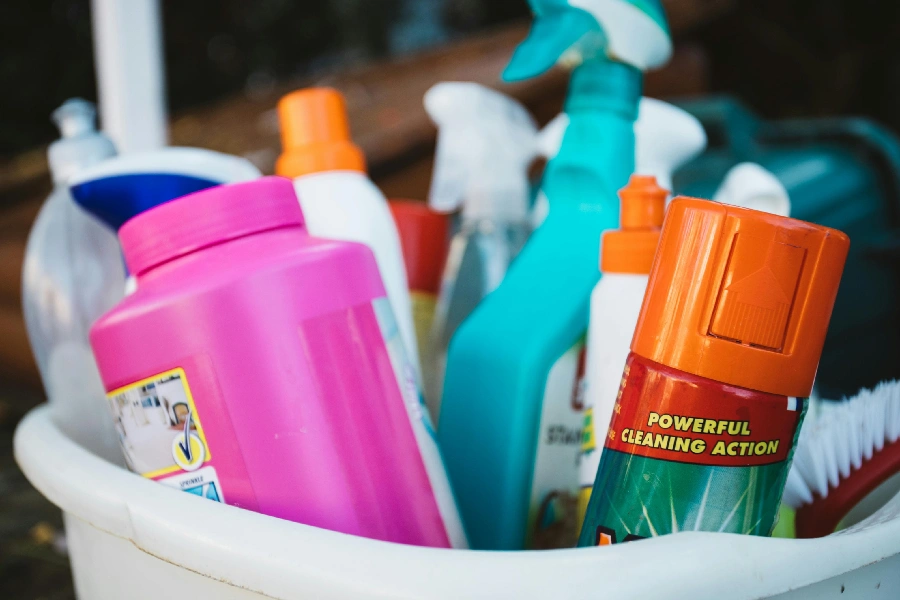
What you use to clean your front load washer matters because some cleaners will do more harm than good, and others just won’t be effective enough to tackle the hidden gunk inside your machine.
So, we recommend that you use these:
✔️ White vinegar
✔️ Baking soda
✔️ Hydrogen peroxide
✔️ Microfiber cloths
✔️ Old towel
✔️ Old toothbrush
✔️ Spray bottle
✔️ Rubber gloves
What to avoid:
❌ Bleach
While it might seem like the ultimate cleaner, bleach can be too harsh. Using it too often can break down your rubber seals and leave behind a strong smell. As a side note, you also shouldn’t combine bleach with vinegar because this will create toxic chlorine gas.
❌ Harsh chemical cleaners
Anything too abrasive can damage the washer’s interior and create even more issues. Stick to natural solutions.
Step 1: Clean the Rubber Door Gasket
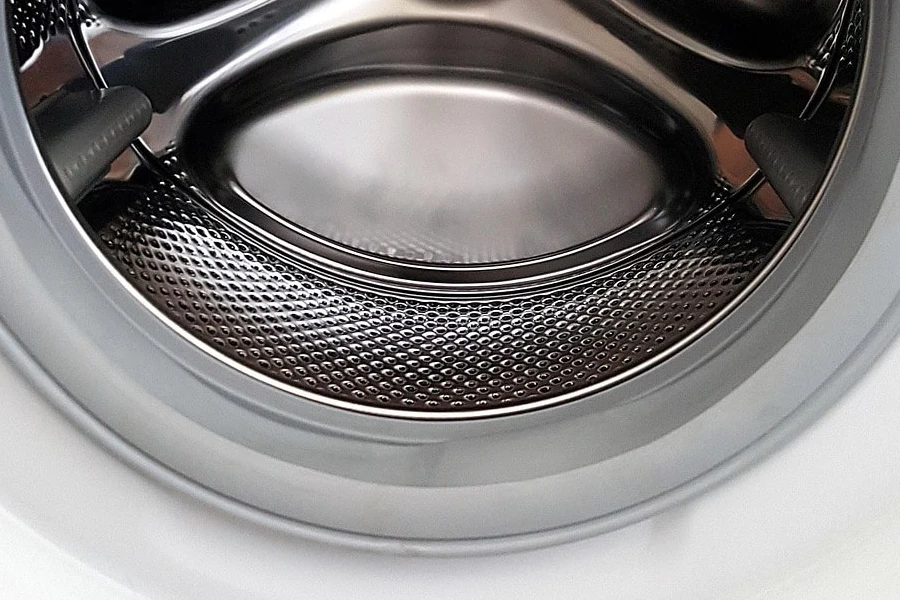
The rubber door gasket or the seal around the washer door is probably the dirtiest part of any front-load washing machine. That’s because it traps moisture, lint, detergent residue, and worst of all—mold and mildew. If your washer has a pungent, funky smell, chances are, this is what’s causing it.
To start cleaning it, mix equal parts white vinegar and water in a spray bottle and spray the gasket, making sure to get inside all the rubber gasket folds. If you see mold, you can use hydrogen peroxide instead as it’s a stronger alternative. Then, use an old toothbrush and start scrubbing until you get rid of all the gunk in the rubber seal.
After scrubbing, use a microfiber cloth to wipe it dry. In the future, the best way to prevent mold from coming back is to wipe the gasket dry after every load and leave the washer door open so air can circulate and the rubber seals of your front-loading machine can dry much faster.
Step 2: Remove and Clean the Detergent Tray

Your fabric softener and detergent dispenser might look clean at first glance, but if you pull it out, you’ll likely find a mix of leftover detergent, mold, and even standing water. Having this kind of build-up in your detergent drawer can affect the performance of your washing machine and even contribute to bad odors.
It will be easier to clean if you remove the entire dispenser tray. Most front-loader washers let you do this, but if it doesn’t, you can still clean it with the detergent door open. Now, if you’ve got your tray, fill a basin with warm water and 1/2 cup of white vinegar. Let the dispenser tray soak for about 15-20 minutes.
While the tray is soaking, spray some vinegar into the compartment where the dispenser sits inside the washer and wipe it down with a microfiber cloth. When everything’s clean, dry the dispenser tray completely before putting it back.
To keep it from getting moldy again, remove the tray after every few washes and let it air dry before sliding it back in.
Step 3: Deep Clean the Washer Drum
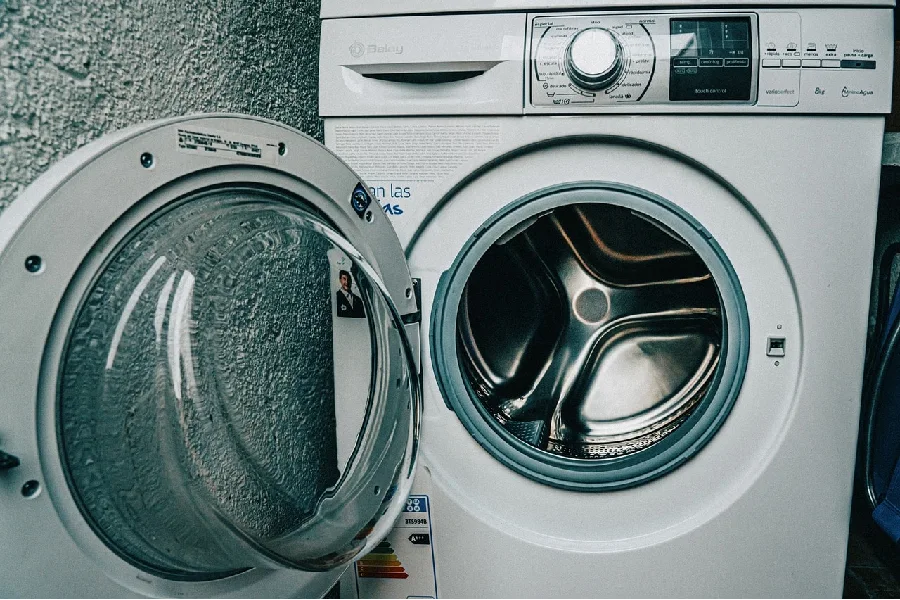
Your front-loading washing machine’s washer drum still needs to be cleaned even though it feels like it should already be clean. After all, it technically gets washed along with your clothes during every cycle. But the truth is, detergent and fabric softener can actually leave behind a thin film. Add in hard water deposits, and you might start noticing a musty smell, too. When you deep clean, you get to strip away all that buildup and leave your washer drum fresh and odor-free.
For this deep clean, we recommend using both vinegar and baking soda. Sprinkle 1/2 cup of baking soda directly into the drum. This acts as a mild abrasive to help loosen grime. Then, pour 2 cups of distilled white vinegar into the detergent tray. This will run through the system and help dissolve buildup.
Now, set your washer to the hottest water setting and the longest rinse cycle available. If your washer has a self-cleaning cycle or “tub clean” setting, use that instead. The hot water will mix with the baking soda and give the interior of your front load washer a thorough clean. After the wash cycle, open the door and wipe the drum with a microfiber cloth or old towel to remove any dirt or lint left behind.
Doing this at least once a month prevents buildup and leaves you with a washer that smells fresh.
Step 4: Clean the Drain Pump Filter
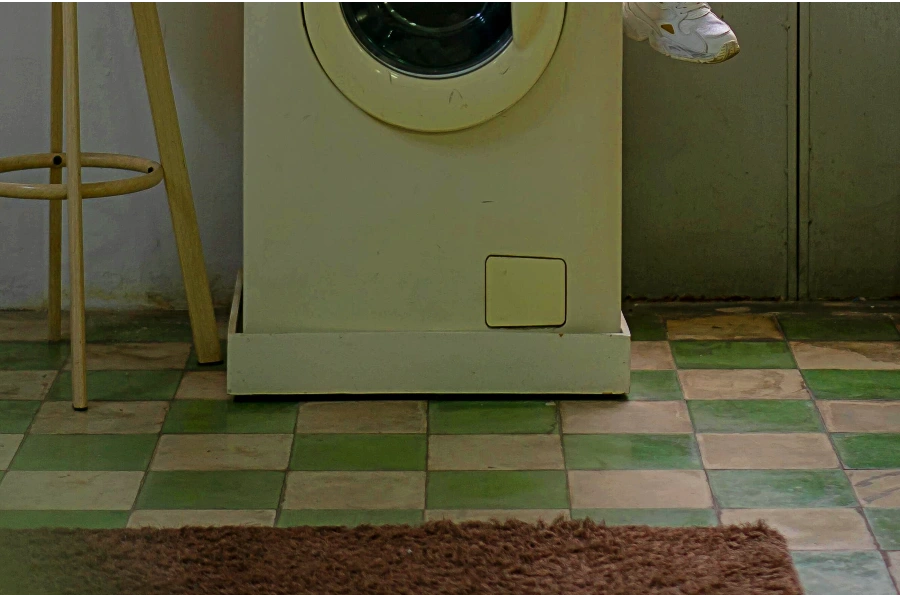
Clogs in your drain pump filter can cause slow drainage and musty smells. Most front-load washing machines have a small filter near the bottom corner that collects lint, hair, and small objects like bobby pins and coins.
Once you remove the filter, toss out the collected debris and rinse the filter under running water. You can also use an old toothbrush to scrub off anything that’s been left behind. When you put it back, make sure it’s securely in place before closing the compartment.
How Often Should You Clean Your Front Load Washing Machine?

The general rule is to give your front-load washing machine a deep clean once a month. But if you have a large household and run several loads a day, you might need to clean it every two weeks.
Certain habits can also mean your washer needs more frequent cleaning.
- Using too much detergent means you’ll be dealing with too many suds. This excess soap doesn’t get fully rinsed and builds up.
- Leaving the door shut between washes traps moisture and makes it likely for mold and mildew to grow.
- Washing heavily soiled clothes often leaves behind dirt, pet hair, and sweat. Things like these can accumulate inside the drum and make it smell.
- When you use fabric softener regularly, it creates a film inside that traps residue and bacteria.
If you’ve never cleaned your washer before, or it’s been a really long time since you have, it might take a couple of thorough cleans to get it back to normal. But once you establish a routine, it will be much easier to maintain.
What Is the Best Thing to Clean a Front Load Washer With?

You have many options, but the best choices are:
- White vinegar – A natural deodorizer that breaks down mineral deposits and detergent buildup.
- Baking soda – Acts as a gentle abrasive that helps scrub away grime and neutralize odors.
- Hydrogen peroxide – A more intense alternative to vinegar, great for tackling mold and mildew.
- Dish soap – Helps cut through grease and residue, especially in detergent trays.
How Do You Clean the Rubber Seal on a Front Load Washer?
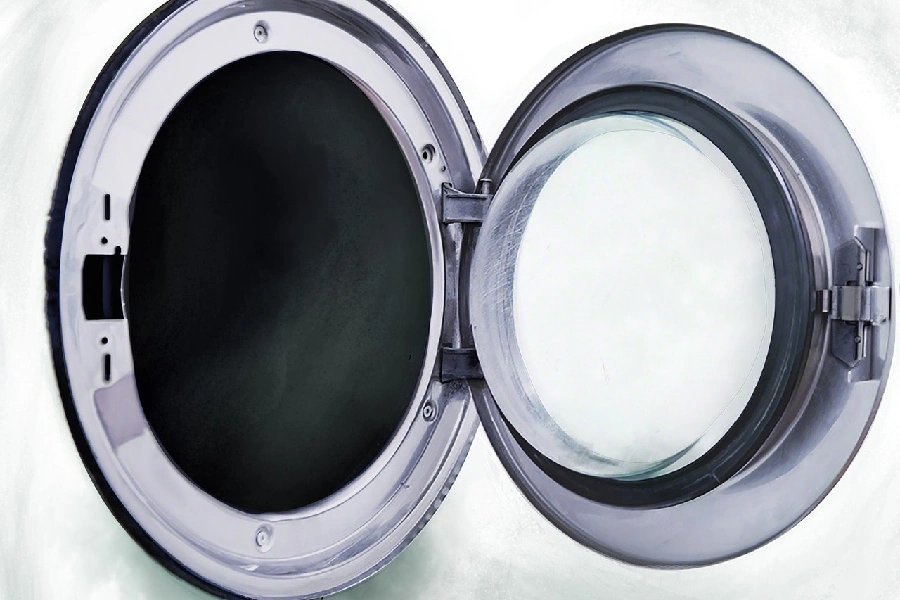
If you’re cleaning only one part of your washer, it definitely should be the rubber seal. To clean it, we recommend spraying it down with vinegar or hydrogen peroxide. Let it sit for a few minutes so the liquid could get inside all the folds. Then, scrub it with a small brush or an old toothbrush. Wipe it dry, and make a habit of keeping it dry after every wash.
Contact Don Fuller’s Appliance Repair for Expert Washer Repair
If your front load washer isn’t performing as it should (even after a deep clean), Don Fuller’s Appliance Repair can help. No matter the issue—be it a machine that isn’t draining, making strange noises, or a washer that isn’t getting your clothes as clean as it used to—our team has the experience and tools to fix it with our washer repair services.
Visit our website to learn more or click here to contact us today!


