



















We all know that having a dedicated wine cooler means you’ve got an ideal place to keep your wine collection at the perfect temperature. But how does a wine cooler work, exactly? If you’re a wine enthusiast, you’ve probably wondered about it a couple of times. So, let’s pop the cork on this topic and discuss how a wine cooler works, courtesy of Don Fuller’s Appliance Repair, where we not only fix appliances but also help you understand them better!
Related Article: What Is a Wine Cooler? Types, Features, and What to Look For
What Is a Wine Cooler? Here Are the Basics
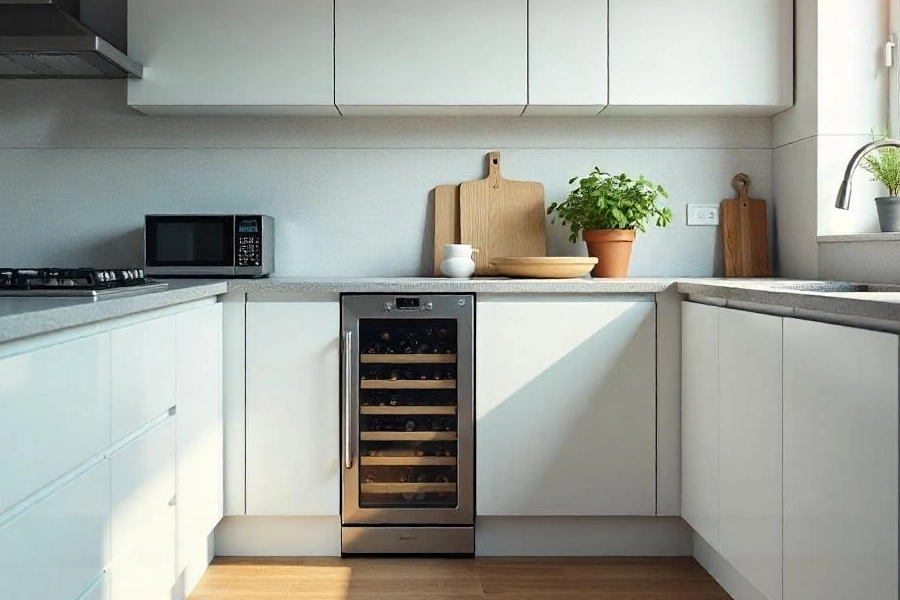
Wine coolers, also known as wine fridges, are created to keep wines at a specific temperature range, which helps in preserving their flavor and quality. Unlike your usual refrigerators—which are usually set to around 35°F to 38°F—wine coolers keep temperatures between 45°F and 65°F, depending on the type of wine you’ve got. This is usually the optimal temperature range to make sure your wines age properly and are ready to serve at their best.
How Wine Coolers Maintain the Perfect Temperature

Temperature Control
What makes wine coolers extremely beneficial is their ability to keep wine at a steady temperature that keeps your wine bottles fresh and sip-ready. But how exactly does it manage this?
Firstly, wine coolers have a thermostat that regulates the interior temperature. This can either be a manual dial or a digital control panel. Some brands offer dual-zone wine coolers as well as multi-zone wine coolers (as opposed to single-zone wine coolers), which means you can keep different types of wine in distinct temperature zones within the same unit.
Most wine coolers use either a compressor or thermoelectric cooling system. Compressor wine coolers work like a traditional refrigerator, using a liquid refrigerant and compressors to produce cool air. These are powerful and can achieve colder temperatures. On the other hand, thermoelectric wine coolers use the Peltier effect (more on this later!) to create a temperature difference, which is great for maintaining a quiet and vibration-free environment, though they might struggle in hotter climates.
Humidity Control
Another important factor in wine storage is the humidity level. Too much moisture can lead to mold, while too little can dry out corks, which then allows air to spoil the wine. So, how do wine coolers control humidity?
Some of the models have humidity trays that you can fill with water. This helps maintain the necessary humidity level. Another thing that helps is seals; excellent seals on the door mean the air inside remains moist enough to keep corks from drying out without letting in outside air that could disrupt the balance.
Vibration Reduction
Minimizing vibrations is a key feature in wine coolers because excessive vibration can disturb sediment in wine and affect its aging process. Compressor wine fridges might have built-in dampening systems to reduce vibration, whereas thermoelectric wine fridges naturally operate with little vibration.
The Benefits of Having a Wine Cooler at Home

- Optimal Temperature and Humidity for Aging: A wine fridge works by providing an ideal environment for aging wine. These consistent temperature zones go a long way in improving the depth of your wine’s flavor over the years.
- Better Flavor Preservation: When you store wine in wine coolers, you get to maintain and even enhance the flavors and aroma of the wine.
- Space and Organization: Wine coolers are made to hold wine bottles, meaning they often come with things like adjustable racks or shelves, UV-resistant glass doors, and other helpful features to protect wine bottles from other elements. This also lets you make the most out of the space inside your unit and makes it easy to organize your wine collection.
Two Types of Wine Coolers
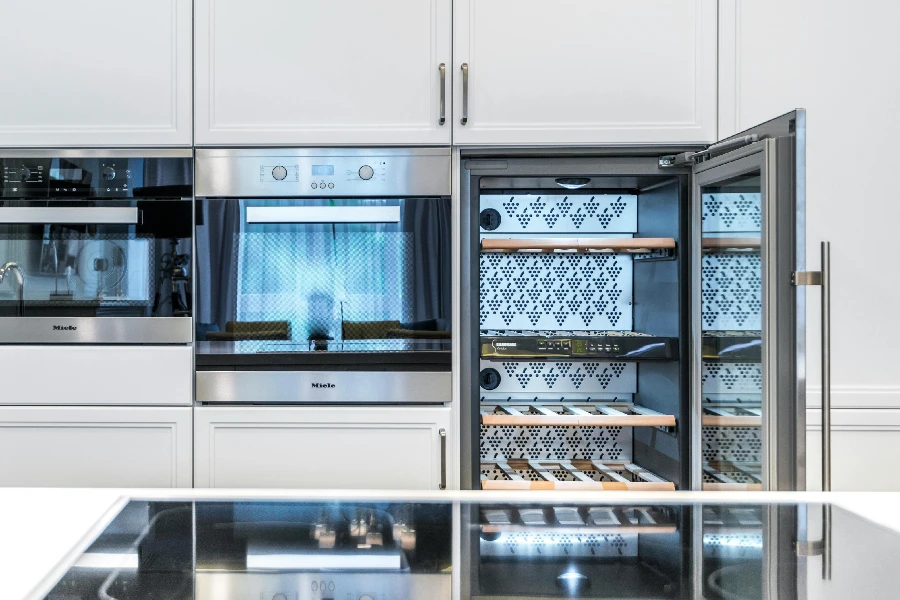
1. Compressor-Based Wine Coolers
Wine coolers using a compressor system operate similarly to standard refrigerators, using a compressor and refrigerant to cool the interior. Generally, this type of cooler is good at maintaining consistent temperatures and can handle more bottles of wine. The only downside is that they tend to produce some vibration, and as we previously mentioned, this can be bad for the aging process of your wine.
2. Thermoelectric Wine Coolers
Thermoelectric units use the Peltier effect. This is where an electric current passes through two different conductors, creating a heat flux that lowers the temperature inside. Thermoelectric wine refrigerators are generally quiet and produce minimal vibrations, which makes them more ideal when it comes to maintaining wine quality compared to compressor wine fridges. However, its disadvantage is that thermoelectric coolers are less powerful than compressor models and can be affected by ambient temperatures.
Which Wine Cooler Is for You?
When choosing a wine cooler for your home, there are four key factors to consider: capacity, cooling system, features, and energy efficiency.

Capacity
Think about how many bottles you plan to store to determine the wine cooler’s capacity. If your wine collection isn’t large enough for a full wine cellar, there are plenty of compact wine cooler options to explore. Ensure the cooler’s physical size fits your designated space and can accommodate your collection comfortably.
Cooling System
Wine coolers use either compressor or thermoelectric cooling systems.
- Compressor wine coolers: These offer higher capacity and stronger cooling but may create some vibration.
- Thermoelectric wine coolers: Quieter and have minimal vibration, though they tend to be less powerful.
Choose the system that aligns with your storage needs and noise preferences.
Features
Look for additional features that enhance convenience and functionality, such as:
- Dual-zone cooling: Perfect for storing red and white wines at different temperatures.
- Adjustable shelves: Ideal for accommodating bottles of various sizes.
- Security locks: Keep your collection safe and secure.
Energy Efficiency
Opt for a wine cooler with energy-saving features to reduce electricity costs over time. Many modern models include advanced energy-efficient options without compromising performance.How to Keep Your Wine Cooler in Top Shape

Here are a few wine cooler maintenance tips from us at Don Fuller’s Appliance Repair:
Regular Cleaning
Regular cleaning helps more than you might think! Always keep the interior clean and tidy. If you find any spills, wipe them away immediately so you don’t end up with odors or stains.
Check the Seals
Make sure the door seals are tight and not worn out. Doing so will keep the unit’s internal environment stable, and by extension, maintain (or improve) your wine quality.
Monitor Temperature and Humidity
Check your unit’s temperature and humidity settings to make sure your cooler is working as optimally as possible.
Service Your Cooler
If your wine cooler starts to show signs of wear or isn’t cooling as it used to, it might be time to call in a professional like Don Fuller’s Appliance Repair for wine cooler repairs! You can’t go wrong with having a professional take a look at it for you. After all, getting repairs early on is always better than waiting for it to get worse and ending up having to pay for more expensive repairs anyway.
Don Fuller’s Appliance Repair
During your regular inspections, if you find anything wrong with your unit, don’t hesitate to contact Don Fuller’s Appliance Repair! Our team of experts is ready to help with all your appliance needs, making sure that you can enjoy perfectly chilled wine whenever you like.