




















Modern dishwashers are lifesavers. After all, who wants to bother with heavily soiled dishes when there’s an appliance that can clean them for you? It’s practically magic—you pop the dishes in there and they come out squeaky clean! Today’s dishwashers are amazing, that’s a given, but many people are curious about the duration of each dishwasher cycle. Perhaps you’re one of the people who’s worried that their dishwasher cycles run longer than the standard time.
Related Article: How To Load A Dishwasher, the Correct Way
Don’t stress, Don Fuller’s Appliance Repair is happy to answer the ultimate question: How long does a dishwasher cycle take?
How Do Dishwashers Work and How Long Does a Dishwasher Run?
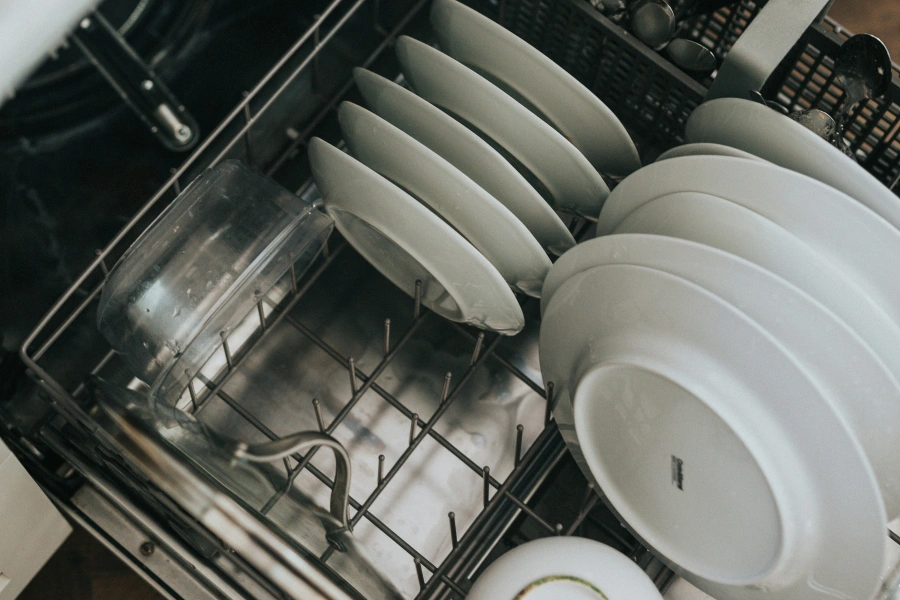
A dishwasher wash cycle involves detergent and hot water usage to clean dishes. The machine also uses spray arms and spray water to get the dishes clean. After the water flow circulates around the dishes, the appliance then works to drain out the dirty water. There’s a final rinse with clean water, then the dishes are dried with heat.
Now, the duration of a dishwasher wash cycle can vary depending on which type you select. However, many dishwashers’ cycle time take around 1.5 to 4 hours. Longer cycles are usually reserved for heavy-duty cleaning (e.g. heavily soiled dishes, pots, and pans) while shorter cycles are used for lightly soiled dishes in need of a quick washing.
Types of Wash Cycles and Their Run Time

The dishwasher’s run time depends on the type of wash cycle you’re selecting. Ultimately, the best cycle depends on factors like how soiled or stained your dishes are and how clean you need them to be. Here are some common types of wash cycles and their corresponding dishwasher cycle times:
Quick Wash or Fast Cycle
- 30 minutes to 1 hour
- Lightly soiled dishes in need of a quick wash
Normal Cycle
- 1.5 to 2.5 hours
- Everyday dishes and utensils
Heavy Duty or Heavy Cycle
- 2 to 4 hours
- Heavily soiled dishes, pots, and pans
Rinse Only Cycle
- 10 to 15 minutes
- Used only for quickly rinsing dishes
Pre Wash Cycle
- 6 to 15 minutes
- These cycles pre-rinse dishes to prepare them for the main wash cycle
Sanitize Cycle
- 3 to 3.5 hours
- Uses high water temperature to kill germs and bacteria on dishes
New Dishwashers vs. Old Dishwashers’ Cycle Time

The wash cycle of older models is typically quicker than newer models. That’s because older dishwashers have a higher level of energy consumption and use more water. Before, these models had fixed settings and limited wash cycle options. Though the cycles were quicker, they weren’t as efficient and customizable as today’s dishwashers.
In contrast, a new dishwasher with added functions takes longer to complete a wash cycle because it uses less water and energy. Whereas older dishwashers used to constantly heat water, thus leading to more energy usage, new models don’t rely as much on the water heater to regulate water temperature. Instead, new dishwashers use water straight from your home’s hot water supply. Aside from that, new dishwashers are more advanced and use sensors to adjust cycles based on the load size. This helps these machines save water and energy in the long run.
What Affects the Dishwasher Cycle Time?
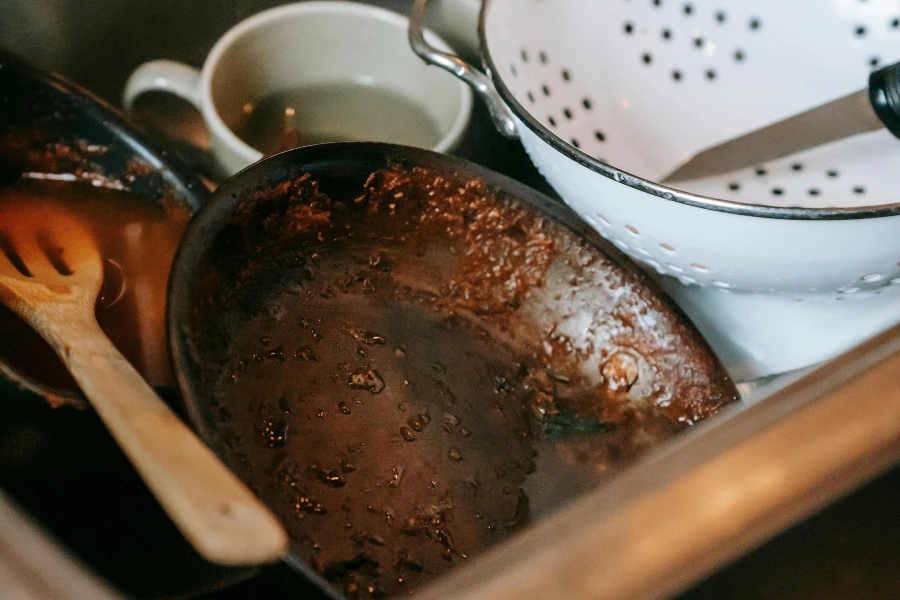
Wash Cycle Type
Your dishwasher can run longer depending on the wash cycle you’ve chosen. Most dishwashers have quick, normal, and heavy cycles; it takes the appliance a longer time to complete a cycle the more intense it is.
Load Size
A full load of dirty pots, pans, dishes, and utensils after your Christmas dinner will definitely have a longer dishwasher cycle time compared to everyday dishes that only require a normal cycle. Each type of dishwasher cycle has specific settings, including differing durations, so you get the best clean depending on what (and how many) you’re washing.
Water Temperature
Dishwashers use heat to kill bacteria and germs as well as to dry the clean dishes after a cycle. Hot water takes time to heat up, which affects how long the machine runs. So, cycles that use hot water tend to take longer than others.
Detergent Type
Some types of detergent, like powder, may require more time to dissolve and clean. However, when a dishwasher uses detergents like gels or liquids, the cycle tends to be faster and more efficient.
Top 7 Dishwasher Maintenance Tips
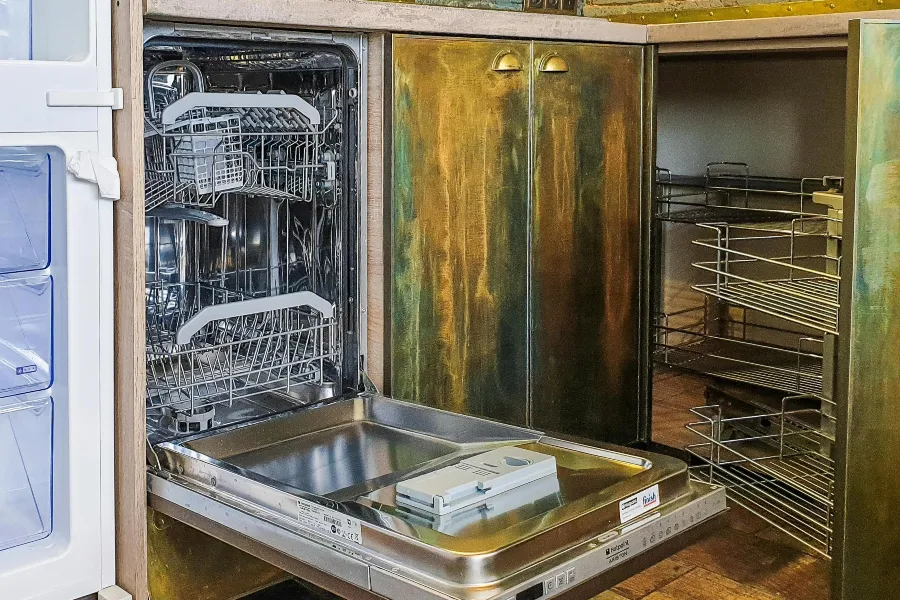
If your dishwasher isn’t in good shape, it can make the wash cycle take longer than normal. For instance, issues like a clogged filter, dirty spray arms, or a malfunctioning heating element can compromise how well the machine does its job.
Keeping up with maintenance by following these tips can help you avoid these problems and keep your dishwasher working properly for years to come:
1. Always Clean the Dishwasher Filter
Regularly check and clean the filter of your dishwasher. The filter catches loose food scraps from dishes, so if it gets clogged and stays that way for a long time, it can mess up the washing and even lead to longer wash cycles. Additionally, cleaning the filter and getting rid of random debris eliminates unpleasant, funky odors from dishes that can really ruin your meals.
2. Check the Spray Arms and Other Components
Check and clean the various components of your dishwasher, including the spray arms, pump, drain, and tub. Your dishwasher needs all of these parts to work well to properly clean your dishes. You’ll end up wasting water and soap when you have to re-wash them after a not-so-great washing cycle due to dirty or compromised machine components.
3. Regularly Run a Cleaning Cycle
This is something you can do at home to get rid of leftover debris, stains, gunk, and build-up in the dishwasher. You can run a cleaning cycle by removing all the dishes from the dishwasher, adding one cup of white vinegar (or your preferred dishwasher cleaner), and running a cleaning cycle or hot wash cycle. The heat and cleaning agent help eliminate odors and make your machine function at its best capacity. After a complete cleaning cycle, use a soft cloth to wipe the interior and scrub any remaining residue or gunk.
4. Remove Mineral Deposits
After many washes, your dishwasher can end up with mineral deposits. These are chalky, white spots left behind by hard water, which lead to mineral buildup over time. To get rid of this build-up, you can wipe those areas with vinegar-soaked cloth, lemon juice, baking soda, or a commercial descaling product. Alternatively, running a cleaning cycle (as we previously discussed) can also eliminate these deposits.
5. Rinse Dishes In the Sink First
Another helpful tip is to rinse your soiled dishes in the sink first before popping them in the dishwasher. This way, you can remove leftover food and scraps, which reduces the risk of clogs inside the dishwasher. The dishwasher will also need to use less water and energy to break down tough food bits since you already got rid of them before putting the dishes in.
6. Consult the Dishwasher’s Owner’s Manual
While understanding general maintenance tips is great, it’s best to know the details about your specific dishwasher model and brand. You’ll find valuable information like proper cleaning tips, information on different cycles, and troubleshooting tips in the owner’s manual. It’s a great way to find all the specific information you need in one place.
7. Schedule Regular Professional Inspections
Of course, nothing beats a thorough inspection by an appliance repair professional. It’s true that you can do a lot of normal maintenance yourself, but a pro can spot issues you may miss, like worn-out components or hidden leaks that need repairing. They’ll evaluate the health of your dishwasher and inspect motors, hoses, connections, and electrical components to make sure they’re working as intended. Afterward, they’ll recommend the best approach to address these issues. Believe us—you don’t want to wait for these issues to interrupt your dishwasher mid-cycle. We recommend being proactive by scheduling regular inspections by your trusted professionals.
If you want to start being proactive and you’re looking for a trusted appliance repair professional, Don Fuller’s Appliance Repair OKC specializes in home appliance repair. We offer expert and efficient services you can rely on!
Give your appliances the care they deserve by contacting us at (405) 622-5961 or booking an appointment today!