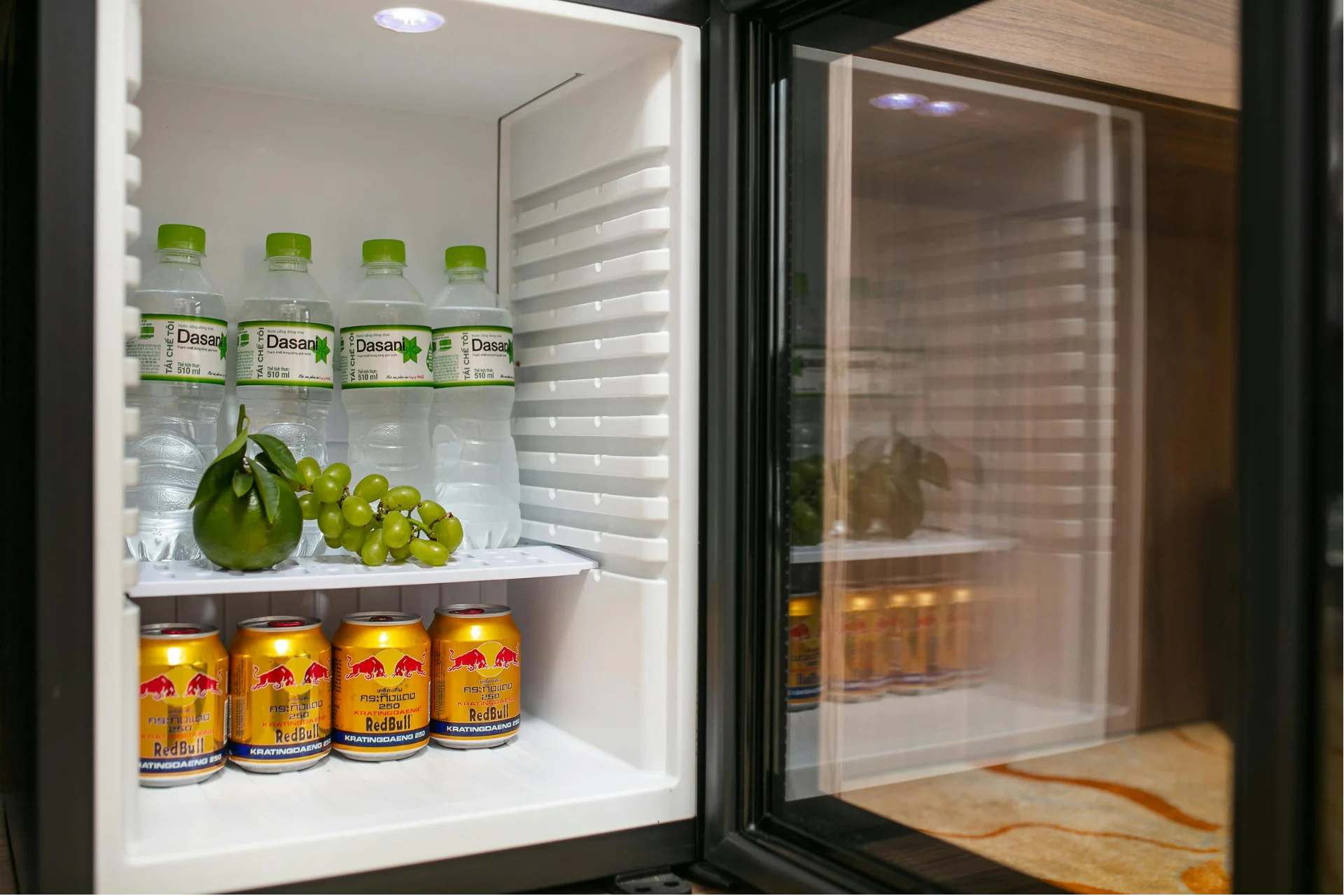




















Imagine this: You’ve just returned from a grocery run, and your fridge is brimming with fresh produce, dairy, and meats. You can trust that this modern marvel of an appliance will keep everything fresh and safe to eat. But have you ever wondered what the ideal temperature should be to ensure your food stays at its best? Surprisingly, the temperature settings on your refrigerator and freezer play a pivotal role in food safety and preservation.
Related Article: How to Store Food in Your Fridge
Proper temperature settings are crucial for optimizing food storage and ensuring food safety.
In this guide, we’ll dive deep into the ideal refrigerator temperature and freezer temperature, explaining why these settings are crucial and how to manage them effectively. By the end of this read, you’ll be a pro at keeping your food fresh, safe, and perfectly chilled.
So, let’s unlock the secrets to the perfect fridge and freezer temperatures!
Understanding the Ideal Refrigerator and Freezer Temperatures

Keeping your refrigerator at the right temperature is crucial for food safety and energy efficiency. The ideal refrigerator temperature is between 35°F and 38°F (1.7°C to 3.3°C), while the freezer should be at 0°F (-18°C). Regularly monitoring and adjusting the temperature settings can help ensure your food stays fresh and safe to eat.
Keeping your refrigerator cool is essential to prevent bacterial growth and preserve food quality.
Ideal Refrigerator Temperature
The ideal refrigerator temperature is between 35°F and 38°F (1.7°C to 3.3°C). Keeping your fridge within this range ensures that your food stays fresh without freezing. It prevents bacterial growth, maintaining a safe zone for your groceries. Using a refrigerator thermometer can help you monitor and adjust the internal temperature accurately.
Ideal Freezer Temperature
The ideal freezer temperature is 0°F (-18°C). At this temperature, food remains safely frozen, minimizing the risk of freezer burn and preserving the quality of your items. Freezer temperatures that are too warm can lead to ice crystals forming on food, affecting its texture and taste.
The Importance of Maintaining the Right Temperature
Food Safety
Proper refrigerator and freezer temperatures are essential for food safety. Bacterial growth is minimized at the correct temperatures, reducing the risk of food borne illnesses. The danger zone for bacterial growth is between 40°F and 140°F (4.4°C to 60°C), so keeping your fridge temperature below 40°F is critical.
Preserving Food Quality
Maintaining the correct temperature helps preserve the quality and shelf life of your food. Cold air in the refrigerator slows down the spoilage of fresh produce, dairy products, and leftovers. In the freezer, a consistent 0°F prevents freezer burn and keeps foods at their best for longer periods.
Setting and Adjusting Your Refrigerator and Freezer
Using the Temperature Control Panel
Most modern refrigerators come with a temperature control panel. This allows you to set and adjust the refrigerator and freezer temperatures easily. Refer to your owner’s manual for specific instructions on how to use the control panel for your model.
Refrigerator Thermometer
A refrigerator thermometer is a handy tool to ensure your refrigerator’s temperatures are spot on. Place the thermometer in the center of your fridge, away from the refrigerator door, for the most accurate reading. For freezers, place the thermometer in the freezer compartment.
Small Adjustments for Optimal Performance
If you notice that your fridge or freezer is not maintaining the desired temperature, make small adjustments using the control panel. Wait a few hours after each adjustment to allow the internal temperature to stabilize before checking again.
Tips for Maintaining Stable Temperatures

Avoid Overloading Your Fridge and Freezer
A full fridge can obstruct the flow of cold air, leading to uneven cooling. Ensure there’s enough space for air to circulate around your food items. Similarly, avoid packing your freezer too tightly.
Keep the Refrigerator Door Closed
When you’re frequently opening the refrigerator door, it lets warm air in and cold air out, causing the temperature to fluctuate. Try to minimize the time the door is open and always ensure it’s closed properly.
Organize Your Food Properly
Store raw meats on the bottom shelf to prevent juices from contaminating other foods. Place dairy products and other items that require a stable temperature in the center of the fridge. Keep frequently used items at the front for easy access.
Regular Maintenance
Clean the coils on the back or bottom of your refrigerator regularly to ensure efficient cooling. Check the seals around the doors to make sure they are intact and providing a good seal.
Common Issues and Solutions
Freezer Burn Freezer burn
Freezer burn occurs when food is exposed to air, causing it to dry out. Prevent this by wrapping food tightly and using airtight containers. Ensure your freezer temperature is set correctly at 0°F to minimize the risk of freezer burn.
Ice Buildup
Ice buildup in the freezer can indicate a problem with the defrost cycle or door seals. Check the seals and ensure they are clean and intact. If ice continues to build up, consult your refrigerator’s manual or a professional for further assistance.
Fluctuating Temperatures
If your refrigerator or freezer temperatures fluctuate frequently, it could be due to a faulty thermostat, control board, or door seals. Regularly check these components and replace or repair them as needed.
Special Considerations
Different Food Types
Certain foods require specific storage conditions. Vegetables and fruits should be kept in the crisper drawer at a slightly higher temperature to prevent them from freezing. Milk and dairy products are best stored on a middle shelf, where temperatures are most stable.
Seasonal Adjustments
During summer, your refrigerator might need to work harder to maintain the correct temperature due to the heat. Monitor the temperature closely and make adjustments as needed to ensure your food remains in the safe zone.
Refrigerator Placement
Place your refrigerator away from direct sunlight and other heat sources like ovens and dishwashers. This helps maintain a stable internal temperature and reduces the workload on your appliance.
Why Choose Don Fuller’s Appliance Repair?

Maintaining the perfect temperature for your refrigerator and freezer can be challenging, especially when dealing with technical issues. At Don Fuller’s Appliance Repair, we provide expert service to ensure your appliances are running efficiently. Our team of trained technicians has years of experience in handling various appliance repairs, ensuring that your refrigerator and freezer are always at their best.
- Expertise and Experience: Our technicians possess deep knowledge and hands-on experience in repairing a wide range of appliances.
- Quality Service Guarantee: We pride ourselves on delivering thorough and durable repairs, ensuring your appliances perform at their best.
- Fast and Reliable: We understand the inconvenience of a malfunctioning appliance and offer prompt, reliable repair services.
- Affordable Pricing: Our competitive prices and transparent pricing policy ensure you get top-notch service without breaking the bank.
- Exceptional Customer Service: From the first call to the final repair, we ensure a hassle-free experience with friendly and professional service.
- Local Community Focus: As a locally owned business, we understand our community’s needs and are dedicated to supporting our Oklahoma communities.
Maintain the Perfect Fridge Temperature

Maintaining the right temperature for your refrigerator and freezer is essential for food safety and quality. By understanding the ideal temperature range and following these tips, you can ensure that your food stays fresh and safe.
If you encounter any issues with your appliance, don’t hesitate to contact Don Fuller’s Appliance Repair. Our expertise and commitment to quality service make us the best choice for all your appliance repair needs. Keep your refrigerator and freezer running smoothly, and enjoy peace of mind knowing your food is stored at the perfect temperature.