



















Have you ever reached into your freezer to pull out a bag of veggies or a piece of meat, only to find it covered in ice crystals and looking discolored? That, my friend, is freezer burn—a common occurrence when frozen food is improperly stored. But what exactly is freezer burn, and is it safe to eat freezer-burned food? In this blog, we’ll dive into what causes freezer burn, how to prevent it, and what you can do if your food has been affected.
Related Article: Why Is My Freezer Frosting Up?
And remember, if you’re facing issues with your freezer, Don Fuller’s Appliance Repair offers expert freezer repair to keep your frozen goods in perfect condition.
The Ins and Outs of Freezer Burn
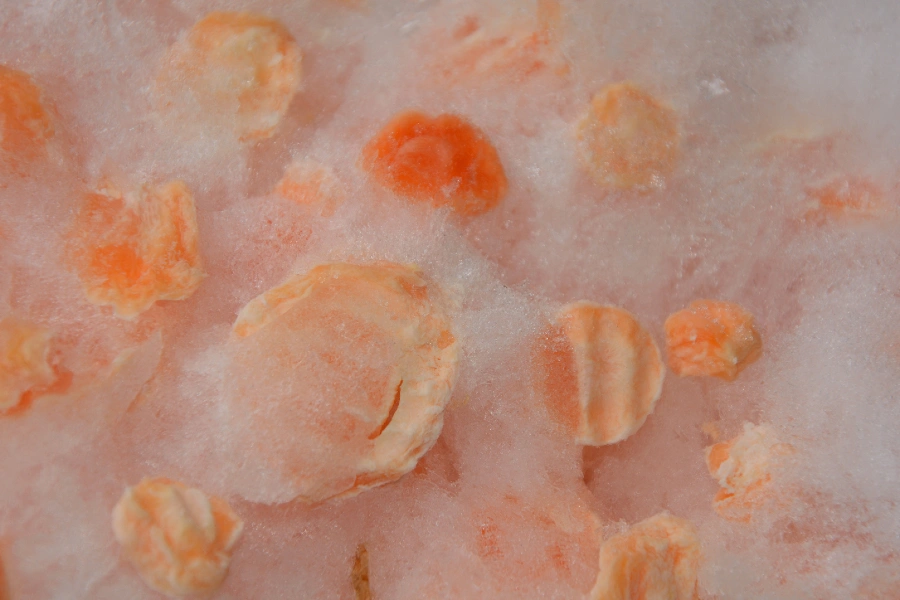
Freezer burn is a condition that occurs when frozen food has been exposed to dry air inside the freezer, causing dehydration and oxidation. When moisture is lost from the surface of the food, it leads to the formation of ice crystals and can alter the food’s texture and flavor. Freezer burn occurs more frequently in foods that have a higher water content, like meats, ice cream, and frozen fruits.
Though it looks unappealing and may affect the quality, freezer-burned food is usually still safe to eat. However, the affected areas may have a leathery texture and off-putting taste, which is why most people prefer to cut away these sections before cooking.
What Causes Freezer Burn?

Freezer burn is primarily caused by air coming into contact with the surface of frozen food. When food freezes, water molecules in the food form ice crystals. If there’s too much air in the packaging, or if the freezer door is opened frequently, the food loses moisture to the cold air, leading to freezer burn.
Some of the main culprits behind freezer burn include:
- Improper Packaging: If you’re not using airtight containers or plastic wrap, freezer bag, or vacuum-sealed packaging, moisture loss is more likely.
- Temperature Fluctuations: When the temperature inside the freezer fluctuates, it can cause the food to partially thaw and refreeze, promoting the development of ice crystals.
- Excess Air: Leaving as much air as possible in the food’s packaging will cause ice crystals to form and accelerate the development of freezer burn.
How To Prevent Freezer Burn
While it’s impossible to prevent freezer burn entirely, you can significantly reduce the chances of your frozen foods being affected by following these tips:
1. Use Proper Packaging
Always store your food in airtight containers or bags designed for freezer storage. You can also use plastic wrap to provide an additional barrier. Make sure to squeeze out as much air as possible before sealing the bag or container. This prevents freezer burn from forming on the food’s surface.
2. Keep the Freezer Door Closed
Frequent opening of the freezer door can lead to temperature fluctuations, causing moisture to escape from the food. Try to minimize the number of times you open the door and ensure it’s tightly closed after use.
3. Freeze Food Quickly
The faster your food freezes, the less likely it is to develop freezer burn. Spread foods out in the freezer to allow for proper air circulation, helping them freeze faster. Food freezes faster when there’s plenty of space for cold air to move around.
4. Avoid Overfilling the Freezer
While it’s important to keep your freezer stocked, overfilling it can restrict air circulation and result in uneven freezing. This increases the likelihood of ice crystals forming on the surface of your food. Try to leave some room for the air to flow.
5. Use Moisture-Proof Materials
When storing food for long periods, use materials that prevent moisture loss, like freezer bags or heavy-duty aluminum foil. These help to lock in moisture, protecting your food from freezer burn.
Is It Safe to Eat Freezer-Burned Food?

Yes, it’s generally safe to eat freezer-burned food, though the quality may be compromised. Freezer burn mainly affects the texture and taste of the food, making it drier and potentially altering the flavor. Freezer burned areas can appear gray or discolored, especially on meats or frozen fruits.
If the appearance or texture of the food doesn’t bother you, feel free to cook and eat it as usual. However, if the affected areas are particularly tough or discolored, you can trim away the freezer burnt portions before cooking.
- Tip: If you’re dealing with ice cream or other frozen goods that have developed freezer burn, it’s a good idea to scrape off the affected layer to restore some of the original texture and flavor.
How Freezer Burn Affects Different Foods

Freezer burn can have varying effects depending on the type of food:
- Meats: Meat is particularly susceptible to freezer burns. The surface becomes dry and tough due to moisture loss and cell damage. If you spot gray spots or discolored areas, those are often affected areas where freezer burn has taken hold.
- Fruits and Vegetables: Foods with a higher water content, such as froz en fruits and vegetables, can become mushy after being exposed to freezer burn. The flavor can also be diminished as the water molecules escape.
- Baked Goods: Items like bread, muffins, or pastries are less affected by freezer burn, but they can still dry out. Wrapping these items tightly in plastic wrap can help prevent moisture loss.
- Ice Cream: Ice cream is a common victim of freezer burn, where the surface becomes icy and rough. Use an airtight container to store ice cream, and consider covering it with a layer of plastic wrap before sealing the container.
Identifying Freezer Burn: What to Look For
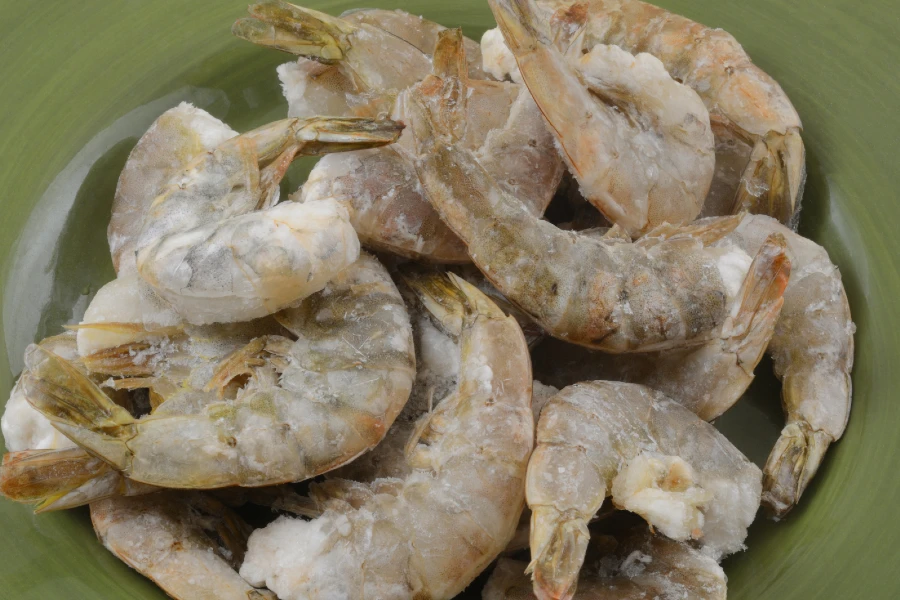
You can identify freezer burn by its telltale signs:
- Ice Crystals: When you see a buildup of ice crystals on the food’s surface, that’s a clear indicator of freezer burn.
- Discoloration: Meats may develop gray or brown patches, while frozen fruits and vegetables might appear dull and faded.
- Leathery Texture: Freezer burn often leads to dry, tough, or leathery areas on the food, especially noticeable on meats.
Can You Avoid Freezer Burn Entirely?
While it’s challenging to avoid freezer burn entirely, the good news is that by practicing proper food storage and maintenance, you can significantly reduce the risk. Make sure to use airtight containers, avoid leaving food in the freezer for extended periods, and try to freeze food quickly.
However, if your freezer isn’t functioning correctly and is struggling to maintain a constant temperature, freezer burn can happen more often. In this case, it may be time to consider a freezer repair. Don Fuller’s Appliance Repair offers comprehensive freezer repair services to help keep your freezer running efficiently, reducing the risk of freezer burned food.
Keep Frozen Food Fresh

Freezer burn is a common issue, but it doesn’t mean you need to throw away your frozen foods. Understanding what causes freezer burn and how to prevent it can save your food and reduce waste. By following the tips mentioned in this blog, you can enjoy fresher, higher-quality frozen goods for longer.
If you’re struggling with a malfunctioning freezer or are concerned about temperature fluctuations causing freezer burn, contact Don Fuller’s Appliance Repair today for expert freezer repair services. Keep your freezer in top shape, and protect your food from the dreaded freezer burn!