




















Garbage disposals are a handy kitchen appliance, offering an efficient way to get rid of food waste and keep your kitchen sink clean. A clogged garbage disposal can affect your entire plumbing system, leading to more significant issues if not addressed promptly. However, when you’re faced with a clogged garbage disposal, it can quickly turn from a helpful tool to a frustrating obstacle.
Related Article: A Quick and Easy How-to: Reset Garbage Disposal
Knowing how to unclog a garbage disposal and prevent future clogs can save you both time and money. In this blog, we’ll walk you through the step-by-step process of unclogging a garbage disposal, preventing garbage disposal clogs, and keeping your appliance in top shape.
When it comes to garbage disposal repair, acting quickly and using the proper techniques can make all the difference. Whether you’re dealing with minor clogs or more severe issues, Don Fuller’s Appliance Repair is here to help with all your disposal needs, ensuring your kitchen stays functional and free from plumbing headaches.
What Causes Garbage Disposal Clogs?
A garbage disposal clog is often caused by improper use. While disposals can handle most food waste, there are some items that should never go down the kitchen sink. Too much food at once or the wrong type of food can lead to frustrating clogs.

Some common culprits of garbage disposal clogs include:
- Potato peels and banana peels, form a starchy paste that sticks to the blades.
- Corn cobs and citrus peels are too fibrous and bulky for disposal.
- Coffee grounds, which might seem fine to wash down, tend to accumulate and form sludge in the garbage disposal drain.
- Grease and oil, which harden as they cool, form stubborn clogs and contribute to grease buildup in both the disposal and the drain.
- Non-food items like bottle caps, utensils, or other debris can accidentally fall into the disposal, causing it to clog or malfunction.
By avoiding these problem items and learning how to unclog a garbage disposal, you’ll be better equipped to prevent future clogs and keep your kitchen functioning smoothly.
Preparing to Fix a Clogged Garbage Disposal
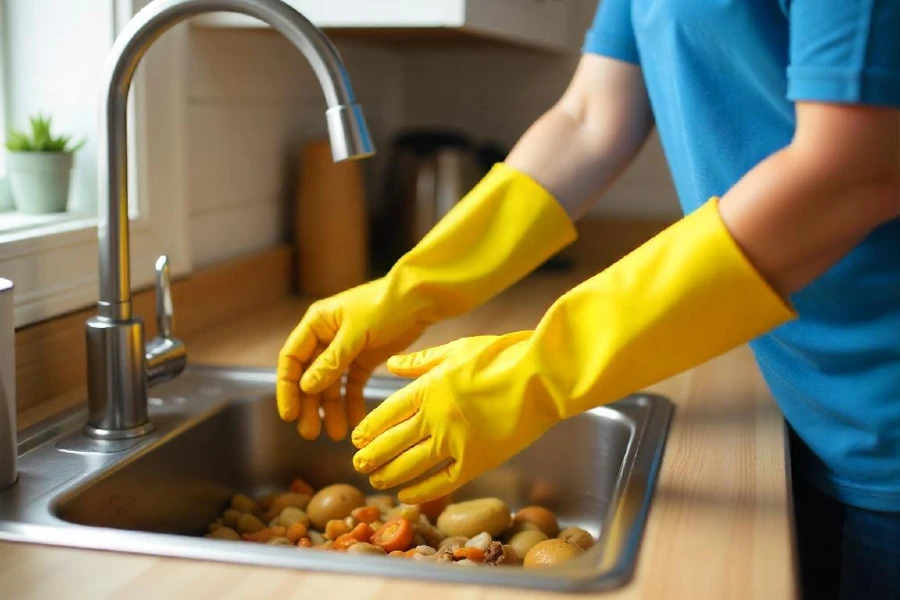
Before diving into the task of unclogging your garbage disposal, it’s crucial to take some preparatory steps to ensure both your safety and the effectiveness of the repair. Here’s how to get ready:
- Turn off the power: Safety first! Head to your circuit breaker or fuse box and switch off the power to your garbage disposal. This step is essential to prevent any accidental start-ups while you’re working.
- Unplug the disposal: If your garbage disposal is plugged into an outlet, make sure to unplug it. This adds an extra layer of safety by ensuring the unit is completely disconnected from its power source.
- Clear the area: Remove any items from your sink and the surrounding area.
- Gather tools and materials: Collect all the necessary tools and materials you’ll need for the job. This includes a wrench, pliers, baking soda, vinegar, and hot water. Having everything on hand will make the process smoother.
- Put on protective gear: Wear dishwashing gloves to protect your hands from the unpleasant food scraps and gunk inside the garbage disposal. This will make the task more hygienic and comfortable.
By following these preparatory steps, you’ll be well-equipped to tackle your clogged garbage disposal safely and efficiently.
Step-by-Step Guide to Unclog a Garbage Disposal
1. Turn Off the Power
Before you do anything, safety comes first. To avoid any accidents, unplug the garbage disposal or switch off the power source at the breaker box. You don’t want the disposal to accidentally turn on while you’re working on it.
2. Check the Drain for Visible Blockages
Look inside the sink drain and garbage disposal for any visible clogs that might be causing a clogged sink. Sometimes the culprit is a piece of food or debris that’s blocking the drain hole. Use a flashlight and avoid sticking your hand inside. Instead, use needle-nose pliers or a wooden handle to gently remove any visible blockages like food particles, citrus peels, or non-food items.
3. Manually Turn the Disposal Blades
If removing visible debris doesn’t solve the problem, the clog may be in the blades. Many garbage disposals have a manual Allen wrench fitting at the bottom of the appliance. Insert the wrench and manually turn the blades back and forth to help loosen the remaining debris that’s causing the clog. If the blades are stuck, keep turning them back and forth until they move freely.
4. Use a Plunger for Double Sink Clogs
If you have a double sink setup, a clog on one side can cause standing water and affect the disposal on the other. Fill the sink with enough water to cover the drain hole, and use a plunger to apply pressure. This can help dislodge clogs that are deeper in the drain system. Make sure to run cold water while plunging to help flush the clog.
5. Reset the Disposal
After manually turning the blades and removing blockages, it’s time to test the disposal. Restore power to the unit by plugging it back in or flipping the circuit breaker. Then, press the reset button located on the bottom of the disposal unit. Run cold water and turn on the garbage disposal to check if it’s working properly. If it still won’t start, double-check the breaker box to ensure the power source is fully restored.
6. Clear the P-Trap

If the disposal still won’t drain, the clog might be further down the pipe, specifically in the P-trap. You can also use a plumbing snake to help clear out any stubborn clogs in the P-trap. This is the curved pipe under your sink that often holds food scraps and standing water. Place a bucket under the trap, then loosen the fittings and remove the trap. Clear out any clogged food particles or debris, and flush the trap with boiling water before reattaching it.
7. Baking Soda and Vinegar Unclogging Method
If the above steps don’t work, you can try using a natural vinegar unclog solution. Pour half a cup of baking soda down the drain, followed by half a cup of vinegar. Allow the mixture to fizz and break down the clog for about 10-15 minutes. Afterward, flush the disposal with boiling water to clear out the drain.
8. Call a Professional Plumber
If you’ve followed all these steps and the disposal is still clogged, it may be time to call a professional plumber. They have the tools and expertise to tackle more complex clogs and can also provide maintenance tips to prevent future clogs.
Additional Methods to Fix Garbage Disposal Clogs
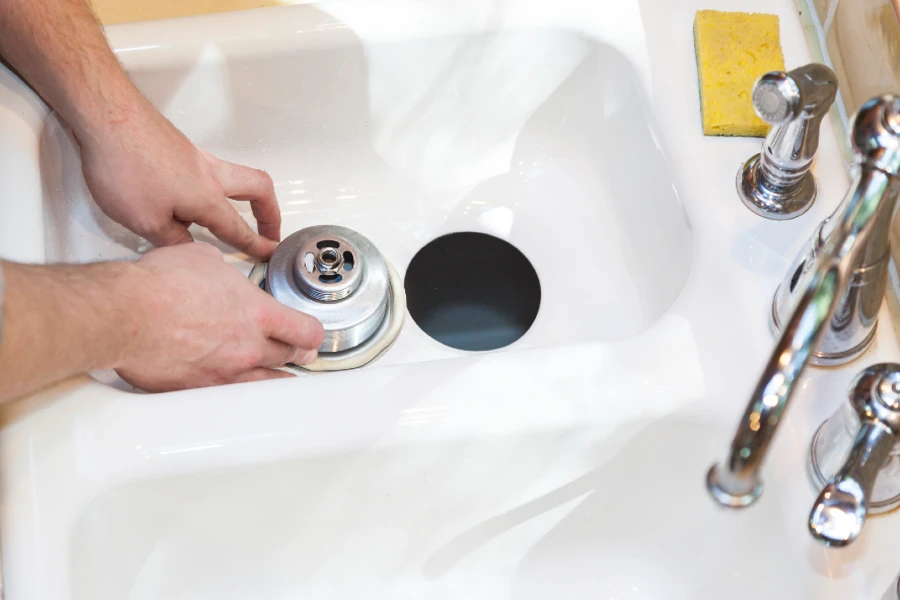
If the initial methods to unclog your garbage disposal haven’t worked, don’t worry—there are still several techniques you can try. Here are some additional methods to consider:
- Use a drain snake or plumber’s auger: A drain snake or plumber’s auger can be very effective for breaking up stubborn clogs. Insert the snake or auger into the drain hole and rotate it as you push it further into the pipe. This can help dislodge any blockages that are deeper in the system.
- Try a vinegar and baking soda combination: For a natural unclogging solution, pour 1 cup of baking soda down the drain, followed by 1 cup of vinegar. Allow the mixture to sit for a few hours or even overnight. Afterward, rinse the drain with hot water to clear out any remaining debris.
- Use a disposal cleaning product: There are various products on the market specifically designed to clean and deodorize garbage disposals. Follow the manufacturer’s instructions for use to ensure effective results.
- Check for blockages in the sink drain: Sometimes, the clog isn’t in the garbage disposal itself but in the sink drain. Inspect the drain for any blockages or mineral buildup and clean it out as needed.
- Consider using a garbage disposal cleaning tablet: These tablets are designed to break down food particles and debris in the disposal and drain. Follow the manufacturer’s instructions for use to keep your disposal clean and functioning properly.
Always remember to follow safety precautions when working with electrical appliances and sharp objects. If you’re not comfortable attempting to fix the clog yourself, don’t hesitate to call a professional plumber for assistance.
How to Prevent Garbage Disposal Clogs
Regular maintenance is key to keeping your garbage disposal running smoothly and preventing clogs. Here are some effective tips to keep your disposal running smoothly:
- Run cold water when using the disposal. Hot water can melt fat and grease, but when it cools, it solidifies and causes clogs.
- Use enough water to flush food particles down the drain completely.
- Only put appropriate food scraps in the disposal. Avoid tough, fibrous items like banana peels, potato peels, corn cobs, and coffee grounds.
- Never put non-food items or large amounts of food at once down the disposal.
- Regularly clean the disposal with a mixture of baking soda and vinegar or run citrus peels through it to keep it smelling fresh and to avoid unpleasant odors.
- Use the disposal frequently. Allowing it to sit unused for long periods can lead to clogs and unpleasant odors.
- Flush the disposal with boiling water once a week to keep the remaining debris and grease from building up.
FAQ: Garbage Disposal Clogs
How often should I clean my garbage disposal to prevent clogs?
It’s recommended to clean your garbage disposal once a week. You can use baking soda and vinegar, cold water, and citrus peels to keep it smelling fresh and running smoothly.
What foods should I avoid putting in my garbage disposal?
You should avoid potato peels, banana peels, corn cobs, coffee grounds, and fibrous or greasy foods. These items can cause clogs in the blades or the drain.
Can I use chemical drain cleaners to unclog my garbage disposal?
It’s not advisable to use chemical drain cleaners in your garbage disposal as the chemical reaction can damage the blades and other internal components. Stick to natural solutions like baking soda and vinegar, or contact a professional plumber if the clog persists.
Why is my garbage disposal making a loud noise but not working?
If your disposal is making a loud humming noise, it could be jammed. Try manually turning the blades with an Allen wrench, or check if the unit has tripped the circuit breaker.
What should I do if my garbage disposal won’t turn on at all?
First, check the power source and make sure the disposal is plugged in. Then, check the circuit breaker and press the reset button on the disposal. If it still doesn’t work, call a professional plumber.
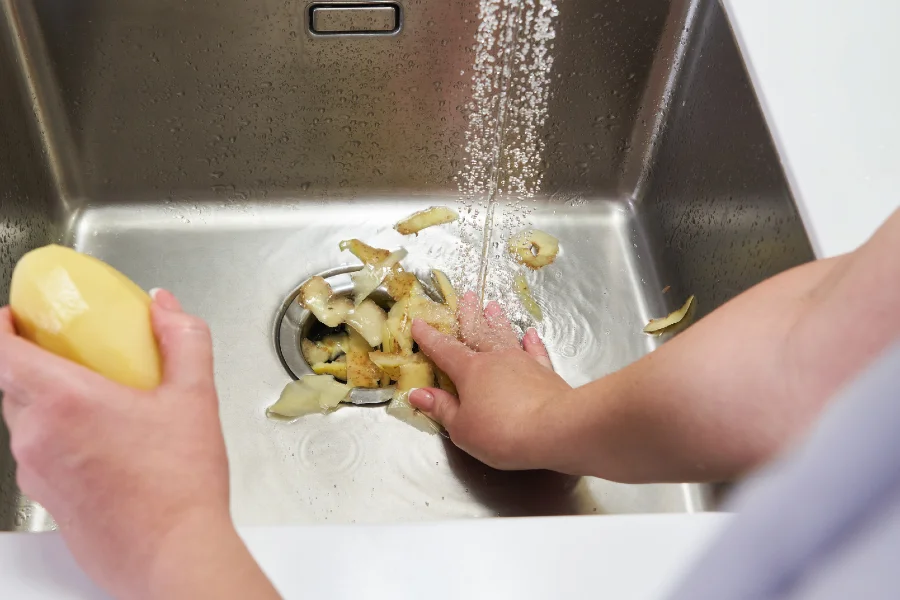
A clogged garbage disposal can be a frustrating kitchen problem, but with the right steps and precautions, you can easily resolve it and prevent future issues. Follow this step-by-step guide to unclog your disposal, and be mindful of what you put down the sink to avoid clogs in the future. And when in doubt, don’t hesitate to call a professional plumber to help you out.
Got a clogged garbage disposal? Don’t wait—get expert help from Don Fuller’s Appliance Repair today!
Call us at (405) 622-5961 or email support@donfullerappliancerepair.com for fast and reliable service.