




















That leftover pasta might look fine, but is it still safe to eat? You’re probably wondering, “How long can you store food in the fridge, anyway?” Knowing the answer to this helps you keep meals fresh, avoid food waste, and stay healthy. Below, we’ll be discussing the facts about perishable foods and storage timelines. And if your fridge has trouble holding a steady temp, it may be time to call in Don Fuller’s Appliance Repair.
Food Safety Risks: Refrigerated and Frozen Leftover Food

We’ve all done it—left a plate of food sitting out after dinner, thinking we’ll put it away “in a few minutes.” But bacterial growth doesn’t wait. Once cooked food sits out for more than two hours at room temperature, it can quickly develop harmful bacteria. And even if you put it in the fridge as soon as possible, there’s still no guarantee that your refrigerated leftovers won’t go bad.
Even if it looks and smells fine, it might not be safe to eat. Knowing the real risks tied to refrigerated leftovers and how long food can safely sit in your fridge can help you avoid food poisoning and keep your kitchen safer.
Low Temperature Slows Down Bacterial Growth But Doesn’t Stop It
Cold temperatures slow down bacterial growth, but they don’t freeze time. Microbes like Salmonella and E. coli can still multiply inside your fridge if food’s left too long. So even though the food looks alright, there could be some invisible bacteria spreading.
Putting Food in the Freezer Doesn’t Kill Bacteria Either
Generally, frozen foods are safe indefinitely, but freezers simply pause bacteria. Once you thaw leftovers, bacteria pick up where they left off. If the food had already started to spoil before freezing, it’ll still be risky after you reheat it.
Smell and Texture Aren’t the Only Basis of Unsafe Food
Food doesn’t always look or smell rotten before it becomes unsafe. Bacteria don’t always give off odors or change how food looks. So, merely relying on the smell of food isn’t always reliable, and it’s always best to follow the recommended storage timeline for each type of food.
Foodborne Illnesses You Can Get From Refrigerated Food
If food is stored in the fridge for too long, it could develop harmful bacteria that could lead to potential health problems. Let’s talk about some of the biggest offenders you want to avoid.
- Salmonella: This happens a lot when it comes to improperly stored eggs, poultry, or dairy. It can cause symptoms such as fever, diarrhea, and cramps.
- Listeria: Unlike most bacteria, Listeria isn’t slowed much by fridge temperatures. It can grow in the fridge. Deli meats, smoked fish, and soft cheeses are top culprits. For pregnant women, the elderly, and people with weaker immune systems, Listeria can be especially dangerous.
- E. coli: Usually linked to undercooked beef or contaminated produce, E. coli can survive if food isn’t stored properly. Some strains make toxins stay in the food even after reheating.
- Clostridium Perfringens: This one loves hot foods that were left out to cool too slowly, like casseroles, or giant pots of stews, vegetable soups, and gravies.
So, How Long Is It Safe to Store Leftovers?
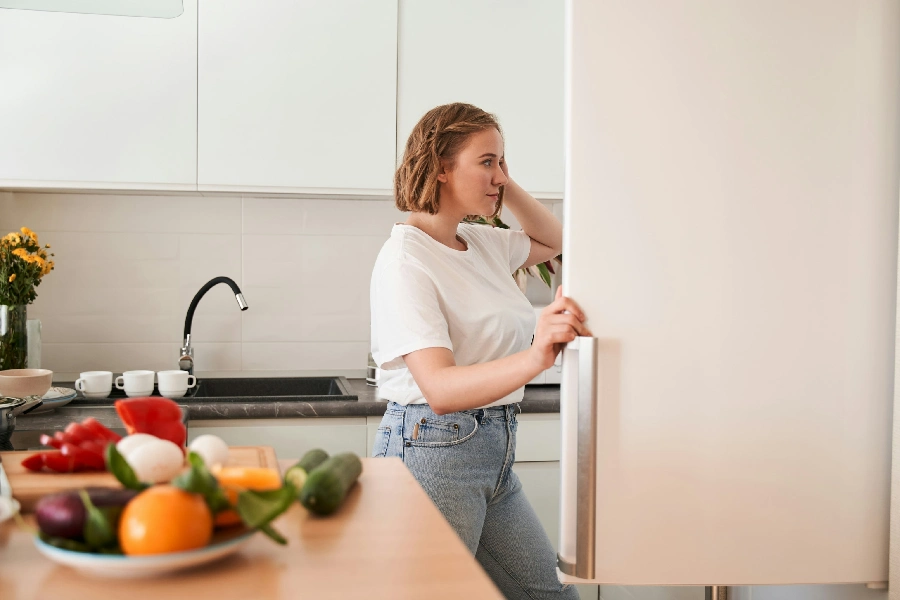
It’s easy to lose track of time when you’ve got a packed fridge. But storing leftovers too long can turn a convenient meal into a health risk. These are the things you should know to play it safe.
1. How Long Does Cooked Chicken Last in the Fridge?
Max: 3 to 4 days
This includes cooked food like chicken nuggets, chicken salad, or fried chicken. Even if it smells fine, it shouldn’t hang around past Day 4. Store leftovers in sealed storage containers, and if they’re sitting in gravy or sauce, it’s still best to reheat and eat them as soon as possible.
2. How Long Do Eggs Last in the Fridge?
Raw (in shell): Up to 5 weeks
Hard-boiled: Up to 7 days
Don’t wash the eggs before storing them in your fridge. This is because washing them removes their natural coating and shortens shelf life.
3. How Long Does Rice Last in the Fridge?
Max: 4 to 6 days
Bacillus cereus is a kind of bacteria that forms spores and survives cooking. If rice sits too long, even at the right temperature range, those spores can multiply and make you sick.
4. How Long Is Pizza Good For in the Fridge?
Max: 3 to 4 days
Most pizza is safe for a few days, especially if it’s been stored in the refrigerator right away. But it’s safest to finish them before Day 4 ends.
5. How Long Does Bacon Last in the Fridge?
Unopened raw bacon: Up to 7 days
Cooked bacon: Up to 7 days
Opened raw bacon: Up to 5 days
Store it in its original packaging or transfer to an airtight bag. And always keep it cold. The second it gets warm, that can cause it to spoil much faster.
6. How Long Do Mushrooms Last in the Fridge?
Raw: 3 to 7 days
Cooked: 3 to 4 days
If they’re slimy, dark, or have dark spots, it’s best to toss them. Mushrooms hold a lot of moisture, and that makes them spoil fast if they’re not stored right, or if the internal temperature of your fridge isn’t consistent. Keep them dry and store them in paper rather than plastic.
7. How Long Can Ground Beef Stay in the Fridge?
Raw: 1 to 2 days
Cooked: 3 to 4 days
Beef goes bad fast, especially ground meat, since bacteria can be mixed throughout. Never store raw ground beef on the top shelf because it drips, and that can contaminate your veggies.
8. How Long Does Salmon Last in the Fridge?
Raw: 1 to 2 days
Cooked: 3 to 4 days
Keep salmon cold and tightly wrapped. This applies to other fatty fish as well. Even if it’s been stored properly, remember to check its smell before cooking.
9. Other Foods: A Handy Fridge Storage Table
| Food Item | Safe Fridge Time | Quick Notes |
|---|---|---|
| Hot dogs (unopened) | 2 weeks | Once opened, use within 1 week. Store in original packaging or an airtight wrap. |
| Hot dogs (opened) | 1 week | They spoil faster once opened. |
| Lamb (raw) | 3 to 5 days | Keep tightly wrapped to prevent drying out. |
| Lamb (cooked) | 3 to 4 days | Leftovers store best in shallow, airtight containers. |
| Turkey (raw) | 1 to 2 days | Same as chicken. It goes bad quickly, so use or freeze it fast. |
| Turkey (cooked) | 3 to 4 days | If sliced or shredded, use closer to 3 days for best quality. |
| Pork steaks (raw) | 3 to 5 days | Keep them in their original vacuum packaging or rewrap tightly. |
| Pork steaks (cooked) | 3 to 4 days | Great for sandwiches or tacos the next day. |
| Ham (sliced, store-bought) | 3 to 5 days | Prepackaged deli ham can last a bit longer unopened. |
| Deli meat (opened) | 3 to 5 days | Eat fast. Once opened, deli meat can spoil quickly. |
| Tofu (opened) | 3 to 5 days | Must be submerged in water and kept sealed. Change water daily. |
| Cottage cheese | 5 to 7 days | Watch for separation or sour smells. Store upright with the lid on tight. |
| Sour cream | 1 to 2 weeks | Usually still fine up to two weeks if unopened. Stir before using. |
| Cooked pasta (plain) | 3 to 5 days | Store in a dry, airtight container. Sauces reduce shelf life. |
| Leftover gravy | 1 to 2 days | Gravy spoils faster than other leftovers, so use it quickly. |
| Broth or stock (opened) | 4 to 5 days | Transfer to a sealed jar or container after opening. Don’t keep it in the can. |
| Cheddar or hard cheese (opened) | 3 to 4 weeks | Cut off moldy spots on hard cheese. Unlike soft cheese, it’s safe to salvage. |
| Soft cheese (brie, feta) | 1 week | Use clean utensils to scoop. This reduces bacterial contamination. |
What You Should Know Before Reheating Leftovers
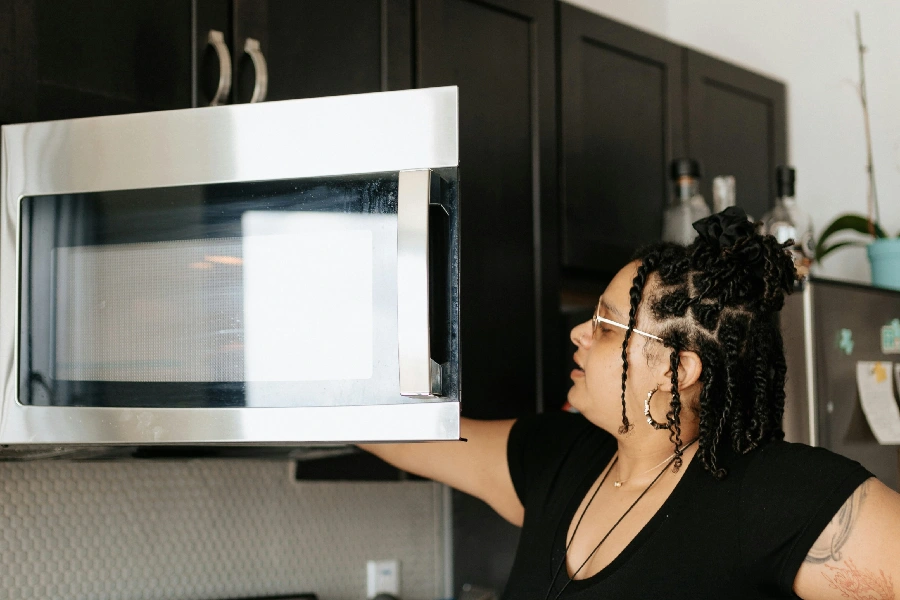
If your food has been frozen, always thaw leftovers properly before reheating. The safest options are thawing in the refrigerator or using cold water thawing, where food is sealed in a leak-proof bag and submerged in cold water, changing the water every 30 minutes. Avoid thawing at room temperature, which can let bacteria grow.
Also, be careful with slow cookers. They heat food gradually, which means your leftovers may sit too long at unsafe temperatures before reaching a safe internal temperature. To stay on the safe side, reheat leftovers to 165°F (74°C), and use faster, more even heating methods like a microwave, stovetop, or oven.
Your Food Will Last Longer With a Fully Functional Fridge
If your leftovers aren’t tasting quite right, or if your fridge struggles to stay at 40°F or below, it might be time to look beyond just food storage habits. Sometimes the issue isn’t taste or reheating technique, but the fridge itself.
A faulty appliance can let food sit at unsafe temperatures for more than one hour, which puts you at risk, whether you realize it or not. Safety is still a top priority, so if you suspect your fridge isn’t pulling its weight, don’t wait. A quick refrigerator repair by Don Fuller’s Appliance Repair could go a long way in saving your meals and risking your health.