




















No ice? No fun. If you’ve been asking yourself, “Why is my icemaker not working properly?” you’re in the right place. From clogged lines to faulty sensors, there are plenty of things that can affect your machine’s performance, but also plenty of simple solutions to try before jumping to replace anything. And if things still aren’t working, Don Fuller’s Appliance Repair is just a call away.
Common Ice Maker Problems (and What to do About Them)
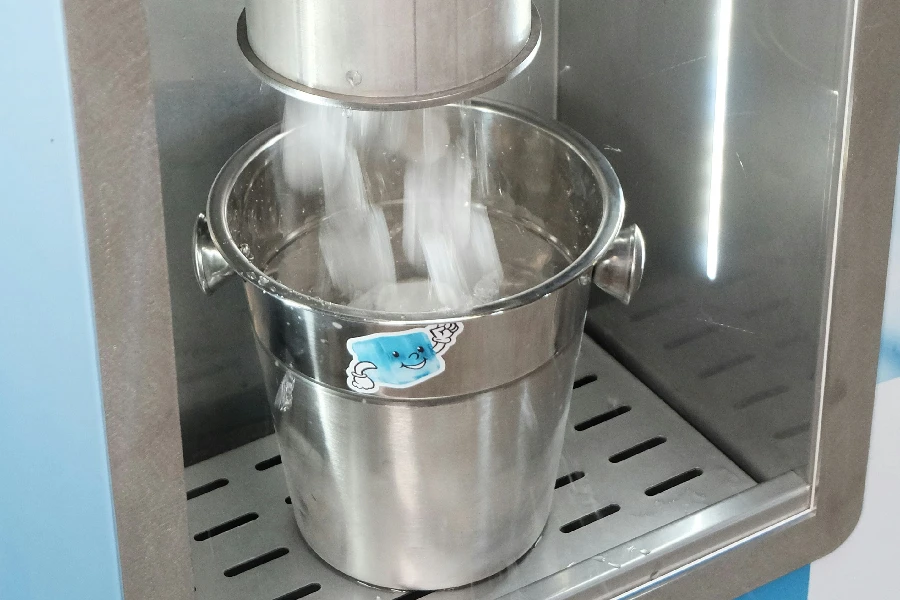
Dealing with an ice maker that won’t function properly? Below, we’ll discuss some of the most common causes of ice maker problems, along with corresponding ice maker troubleshooting tips.
1. Clogged Water Filter
One of the most common ice maker problems is a dirty or clogged water filter. As time passes, filters fill up with debris, gunk, and minerals from your water supply, and once that happens, the water flow slows down. You might notice your ice cubes are coming out tiny, oddly shaped, or tasting weird. In some cases, your ice maker might just stop making ice altogether.
Try this: If it’s been more than six months since you changed your water filter (or even sooner in areas with hard water), it’s time for a new one. After swapping it out, give it a little time to settle. Discard the first couple of batches of ice because this is where the fresh filter pushes out a little cloudy water at first.
2. Hollow or Misshapen Ice Cubes
Sometimes, ice cubes can come out of the ice mold looking weird. There are also times when you find odd, hollow cubes that melt in seconds. That’s usually a sign that there’s a problem with the water fill cup. Specifically, you could be looking at low water pressure, a kinked water line, or even a freezer that’s set too cold, freezing the outside of the cubes before the inside has a chance to fill up.
Try this: Check if the fridge is level, because uneven units can cause uneven filling. Then check behind it and make sure your water supply line isn’t twisted or pinched. If everything looks good, make sure you’ve set the proper temperature and adjust it to right around 0°F. Too cold can be as bad as not cold enough.
3. Excessive Frost or Ice Buildup in the Ice Bin
Ever opened your freezer compartment or ice maker compartment to find your ice bucket frozen into a mini glacier? That usually means there’s too much moisture inside and your ice maker is struggling to keep up.
This can happen due to opening the freezer or refrigerator door too often (or not closing it all the way), which then lets in moist or warm air. That moisture then turns into frost. Additionally, a bad door seal or clogged air vent can make it worse.
Try this: Take out the ice bin and let it thaw. Wipe it clean and dry it out completely. Then, check the seal on your unit’s door. If it’s loose or cracked, it’s best to replace it soon. Also, try not to overload your freezer or block the air vents because good air flow helps prevent frosty buildup.
4. Broken or Stuck Control Arm
Most built-in ice makers have metal or plastic parts, including a metal or plastic arm that swings up when the ice bin is full and lowers to start making more. If that arm gets knocked out of place, frozen, or immobile due to a broken wire, your entire ice maker won’t function properly.
Try this: Gently move the arm up and down, but don’t force it. If it’s frozen in place, remove your frozen food and defrost the freezer for a few hours. If it’s still not moving or feels broken, you might need a replacement part. These arms are usually easy to replace, but if you’re not sure, you can have a pro check all the wires for you and do the repair or replacement instead.
5. Not Enough Ice Production
If you’re dealing with slow ice production or your ice maker isn’t producing ice at all, a few things might be holding it back:
- The freezer’s thermostat might be set too high
- Your power supply might be inconsistent
- Your home’s water pressure might be low
- The water inlet valve might not be opening properly
- You could have a partially clogged water filter
Try this: Check your freezer’s thermostat and make sure it’s at 0°F. Too cold, and things can end up freezing up where they shouldn’t. If your house has low water pressure, your ice maker might not be getting enough water per cycle. You can test the pressure with a gauge or call a plumber to check it out. If it’s still dragging, the inlet valve might be sticking or clogged, and that’s something a professional can replace.
6. Frozen Water in Tubes
That tube that sends water into the ice tray can freeze up, especially if temperatures dip too low or the water pressure’s not steady. You’ll know you’re dealing with this issue if your ice maker makes a noise like it’s trying to fill, but nothing actually comes out. You might even spot frost or a visible chunk of ice inside the tube.
Try this: Carefully warm up the tube with a hair dryer on low. Don’t overdo it because you don’t want to melt anything important. Some also use a turkey baster with warm water to gently flush it out. If it keeps freezing again, it might mean your water inlet valve is leaking or your freezer temperature is too cold.
7. Auger Motor Is Not Turning
The auger is the part that spins and pushes ice toward the dispenser. If it’s jammed or burned out, no ice will come out, no matter how many times you push the button. So if your ice maker is making plenty of ice but you can’t get it to dispense, the problem might be the auger motor.
Try this: Take out the ice bin and check for clumped ice. Let everything defrost, clean the inside of the bin, and dry it completely before putting it back. If it still doesn’t spin, the motor may need to be tested or replaced, and that’s a job for someone who knows their way around appliance wiring.
8. Leaking Water
Water puddling under your fridge is never a good sign, but it doesn’t necessarily mean that your entire unit is a lost cause. It usually means you have a cracked water line, a loose connection, or a frozen tube.
Try this: Pull the fridge out and inspect the water line. Look for cracks, kinks, or loose fittings. If the tube feeding the ice maker is iced over, it may thaw and leak when the fridge warms up a bit.
Extra Tips

These little details usually get overlooked but can be the answer to help catch something you missed.
- Double-check the water fill tube.The water fill tube is the small plastic or rubber tube that delivers water from the back wall of your freezer into the ice mold. If it’s frozen or misaligned, no water gets in, meaning there won’t be any ice.
- Make sure the ice maker isn’t accidentally in the off position. You’d be surprised how many ice makers get turned off by mistake. Some have a switch labeled “On/Off.” Others use a control arm that goes up to stop production and down to start making more ice. If someone bumped it while grabbing something from the freezer compartment, it might be stuck in the off position. If you’re unsure, you can check your model number to check where the switch is located, if it happens ot have one.
- Watch the ice level sensor on select models. If you have a new ice maker, especially a smart model or high-end unit, you might not have a mechanical arm at all. Some specific models use infrared sensors or other electronic ice-level detection features. If these sensors get blocked somehow, the machine will think the bin is full, and even when it’s empty, it will stop making ice. To avoid this, use a soft cloth to clean the sensors (usually located along the side of the ice maker or near the back wall).
When Should You Call the Pros?

Truth is, there are only so many times you can press the reset button or browse through the owner’s manual before you realize you can’t possibly fix it yourself, and it’s time to get backup. Here’s when it’s smart to give Don Fuller’s Appliance Repair a call:
It’s Still Not Making Ice After You Try All the Basics
If you’ve done everything from checking the filter to warming the fill tube and still have an empty bin, there could be an issue you can’t see, like a dead inlet valve, faulty wiring, or a fried control board.
You See Water Leaking or There’s Visible Damage
Leaks that reach your floors or walls aren’t something to ignore. Water damage spreads fast, and catching it early can save you a lot of money.
It’s Making Loud, Weird Noises
Buzzing, grinding, and clicking noises are bad news. They usually mean the motors in your ice machine or ice maker are struggling, or something’s about to give out.
You Smell Something Burning
Electrical parts overheating requires expert technicians. Unplug the appliance and call a professional as soon as possible.
Found This Article Helpful? Share It With Your Friends!
We hope this helped you get a better idea of what might be causing your faulty ice maker. Whether it’s the water valve, control board, or something more hands-on like the ice maker assembly, it’s always good to know where to look. If you’ve checked the shut-off valve and cleaned out the freezer and refrigerator with no luck, don’t give up yet. Share this with someone else dealing with the same problem.
And if you need real help, call Don Fuller’s Appliance Repair. We know ice machine repair like the back of our hand.