




















Learning how to store food in your fridge is more than just keeping your fridge organized. In fact, it’s important to avoid foodborne illness, food waste, and food poisoning. At Don Fuller’s Appliance Repair, we’ve even seen cases where unusual storage affects not just the food but also the overall health of the fridge.
Related Article: Why Is My Fridge Not Cooling?
In this article, we share some organization techniques and food safety tips to help you preserve your foods while keeping your refrigerator in great condition.
Why Is Proper Food Storage Important?
Bacteria can multiply rapidly at temperatures between 40°F and 140°F, a range known as the “danger zone.” Keeping your food out for his temperature by following our tips below can slow bacterial growth and reduce the risks of illnesses.
Different Fridge Zones

1. Top Shelves
These shelves maintain a consistent temperature, so they’re perfect for ready-to-eat foods like leftovers, cooked dishes, and packaged or canned foods like luncheon meats.
2. Middle Shelves
Slightly cooler, these shelves are typically used for dairy products such as milk, sour cream, cottage cheese (and other cheeses), and yogurt.
3. Bottom Shelves
Being the coldest part of your fridge, the bottom or lower shelves are best for storing fresh meats, poultry, and seafood. Always place these items in sealed containers to prevent any potential cross-contamination involving harmful bacteria.
4. Crisper Drawers
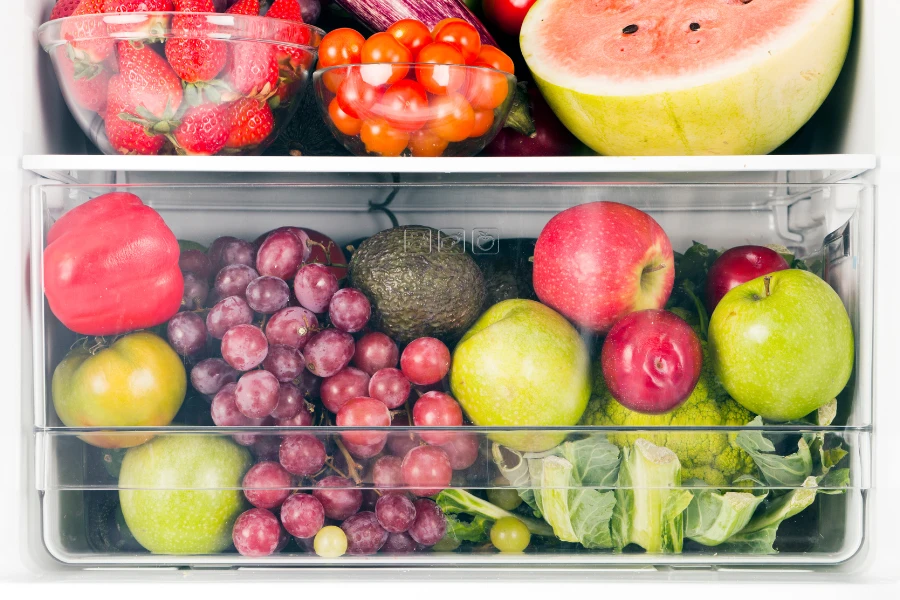
These drawers are designed to control humidity. Modern crisper drawers usually have two sections: high- and low-humidity drawers. The high-humidity section is fully closed off, while low-humidity allows some air to enter and circulate. Fruits and vegetables like peaches, cantaloupes, kiwis, papayas, and apples happen to produce excess ethylene gas, so they should go in the low-humidity section. On the other hand, thin-skinned or leafy food items should go in the high-humidity drawer as they are prone to wilting.
5. Refrigerator Door Shelves
Fridge door shelves are the warmest spots due to frequent opening and closing. That means food items and condiments with longer shelf life can be placed here, as well as other foods that are less sensitive to temperature fluctuations.
How to Store Different Types of Food in Your Fridge
1. Perishable Foods
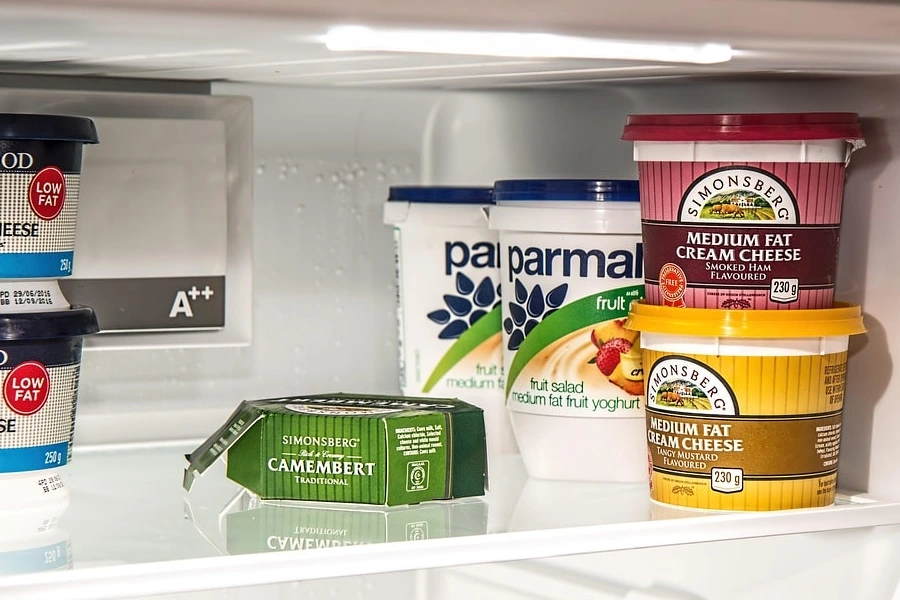
- Dairy products: Keep milk, cheese, and yogurt on the middle shelves to avoid food spoilage. Make sure they’re in their original store wrapping or airtight containers to keep them from absorbing other odors.
- Eggs: Store eggs in their original carton on a middle shelf. Don’t place them in the door because temperature changes can lead to quicker spoilage.
2. Fruits and Vegetables

- Fruits: Place fresh produce in the low-humidity drawer. Keep ethylene-producing fruits like apples separate from others to prevent premature ripening.
- Vegetables: Store vegetables in the high-humidity drawer. Leafy greens benefit from being wrapped in a damp paper towel to maintain moisture.
3. Meats and Seafood
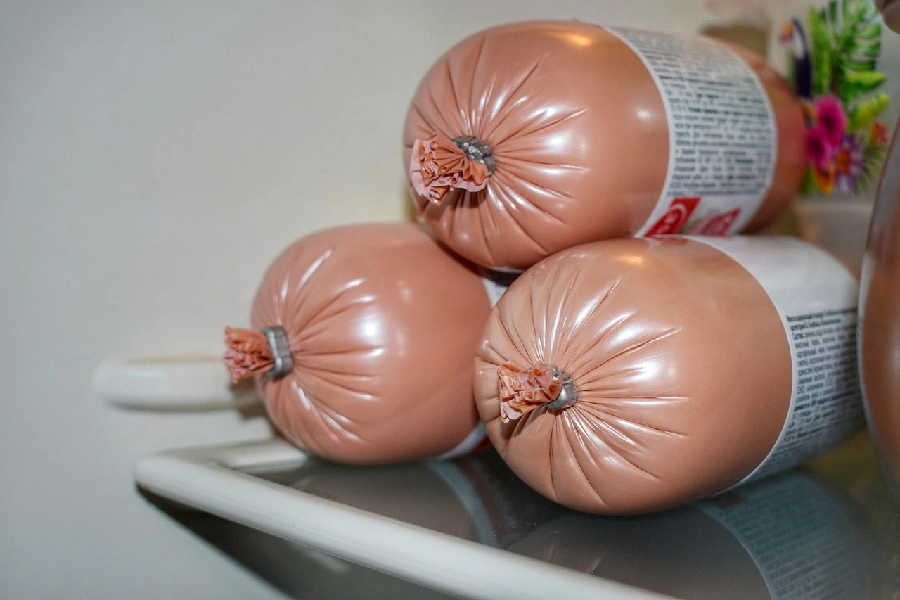
- Raw meats: Keep these on the bottom shelf in sealed containers to prevent cross-contamination. Make sure to use the meat within 1-2 days for fresh meals.
- Seafood: Store seafood in a sealed container on the bottom shelf and, as much as possible, consume it within 1-2 days.
4. Condiments and Dressings
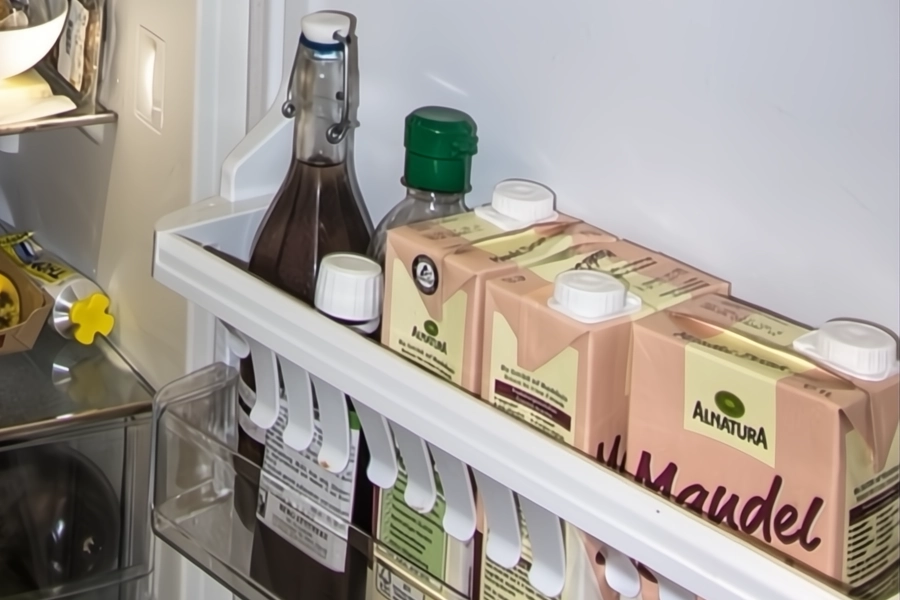
Store these in the fridge door. Their higher vinegar and sugar content acts as a natural preservative, making them less likely to spoil. Aside from that, this placement also makes it easier to reach for them when you need them for cooking or during meals.
5. Leftovers
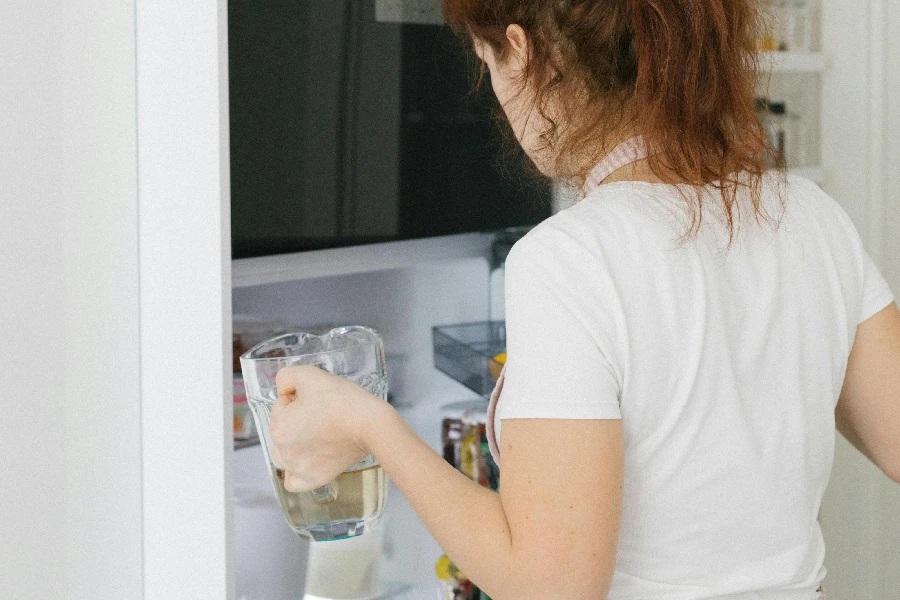
Leftovers should go in airtight containers on the top shelf. Note that it’s best to consume them within 3-4 days to minimize the risk of foodborne illnesses.
6. Drinks
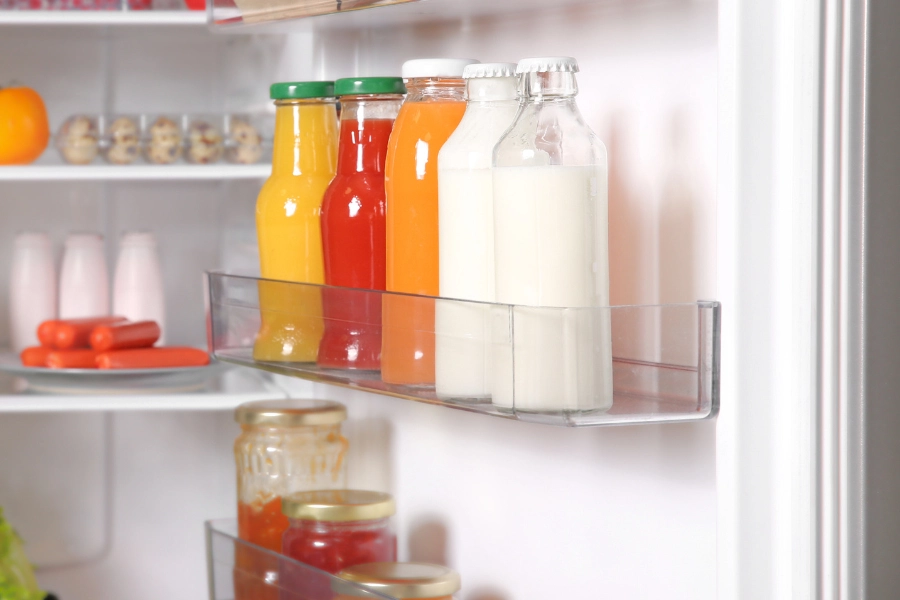
Nonperishable drinks that can be stored at room temperature can safely be placed on the fridge door shelves. However, milk should be placed on the middle shelves where temperatures are more stable.
Additional Food Storage Tips
1. Temperature Settings
According to the FDA, it’s best to keep your fridge temperature at or below 40°F (4°C) and your freezer at 0°F (-18°C). We recommend getting a refrigerator thermometer and leaving it in your fridge. Regularly check your appliance thermometer to make sure the temperature is stable.
2. Avoid Overcrowding
The storage space inside your fridge needs proper air circulation to maintain consistent temperatures. So, try not to overload your fridge because overcrowding can prevent proper air circulation, which in turn can lead to uneven cooling.
3. Cleanliness
Regularly (at least once a month) clean your refrigerator to prevent mold and bacteria buildup. Wipe spills immediately and sanitize shelves and drawers to make sure bacteria doesn’t spread.
4. Proper Cooling
Before refrigerating, let hot foods cool slightly to prevent raising the fridge’s internal temperature. But don’t leave perishable foods out for more than two hours.
5. Use Airtight Containers
Doing so prevents cross-contamination and keeps your food fresh. It also prevents your food from absorbing other odors inside the fridge.
Common Mistakes to Avoid
- Storing hot foods immediately. Placing them directly into the fridge can raise the fridge’s internal temperature and affect other foods inside. Let foods cool for about 30-60 minutes before putting them in the refrigerator.
- Using the fridge door for perishables. As mentioned earlier, the door experiences temperature fluctuations, making it unsuitable for highly perishable items like milk and eggs.
- Overpacking. A crowded fridge can’t circulate air properly, which leaves you with inconsistent temperatures and potential spoilage. It can also put a strain on your fridge’s cooling system, which can lead to issues that may require repairs.
Want to Learn More About Fridge Organization and Maintenance?
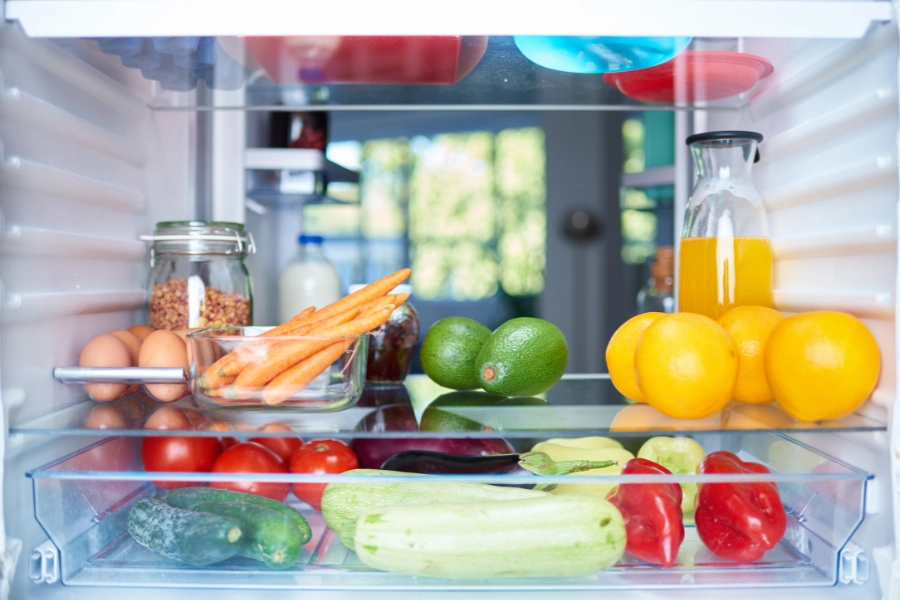
We’ve posted several articles that can help you keep your fridge and the food inside it in their best shape. Check out our blogs for fridge-related resources, or reach out if you need fridge repair services in Oklahoma City and surrounding areas.
Remember—proper fridge organization not only keeps your food fresh but also guarantees your family’s health. Happy organizing!


