




















So, you dropped a glass into your sink. Accidents like this have happened to many people, and they can be unpredictable. It slipped, shattered, and now you’ve got the world’s worst puzzle sitting in your garbage disposal. Fun, right?
Before you panic (or try sticking your hand in there—please don’t), let’s break it down. Broken glass in your garbage disposal isn’t great, but it’s fixable. We’re Don Fuller’s Appliance Repair, and we’ve handled this situation more times than we can count. We’re here to walk you through how to get glass out of a garbage disposal safely and without causing further damage to your sink, your disposal, or your fingers.
The Risks of Broken Glass

Dealing with broken glass in a garbage disposal isn’t just a hassle—it’s a real safety concern. Those sharp glass shards can cause serious injury if you try removing glass with your bare hands, and they can also wreak havoc on the disposal’s blades, pipes, and even the motor. If all the glass isn’t carefully removed, you risk further damage to the unit and potential blockages in your kitchen sink system.
Before attempting to clear out the glass, always disconnect the power source at the circuit breaker and unplug the device to eliminate any chance of accidental activation. Using a broom handle or an Allen wrench to gently rotate the blades can help dislodge any stuck shards, but never force anything. If you’re unsure about any step, or if the glass seems especially stubborn, don’t hesitate to call in professional help—a plumber or appliance repair expert can safely remove the glass and check for hidden damage.
For extra support, watching videos or tutorials on YouTube can give you a visual guide to the process, but always prioritize safety over speed. Taking the right precautions now can save you from injury and expensive repairs down the line.
Step 1: First, Don’t Use Your Bare Hands
A common mistake is reaching in with your bare hands—this can lead to cuts or worse, especially if someone accidentally hits the switch. Yes, we’re starting with a common-sense reminder—but you’d be surprised how many people forget this one.
Do this instead:
- Turn off the power to the garbage disposal at the circuit breaker. Not just the wall switch—cut the power entirely. This step is non-negotiable.
- Shine a flashlight down the drain opening to assess the situation. If you see larger pieces of broken glass, good news: you’ll likely be able to pull those out with tools.
Step 2: Grab Some Tools

You’ll want a few household items to safely remove glass from a garbage disposal. Here’s what usually works best:
- A pair of needle-nose pliers: Perfect for picking out larger pieces.
- Shop vac or a small vacuum with a hose attachment: Ideal for sucking out the tiny shards.
- Hex key (Allen wrench): Usually comes with your garbage disposal or can be found at any hardware store.
- Broom handle or wooden spoon: To test if the blades can spin freely later.
- Do not use a fork: Using a fork can damage the disposal or get stuck itself.
No need to overthink this—just gather what you have on hand and move on to the next step.
Step 3: Remove the Larger Pieces of Glass First
With the power OFF, use your needle nose pliers to gently reach down and remove any visible large pieces of glass. It’s important to remove larger pieces first to prevent damage to the disposal and avoid injury. Do not rush. Slow and steady wins the “not slicing your hand open” race.
Once the big chunks are out, shine your flashlight again and rotate the blades a little using the broom handle (never your fingers). This can help dislodge any hidden pieces.
Step 4: Suck Out the Tiny Shards

This is where the shop vac (or your household vacuum with a hose) comes in. Stick the hose carefully into the drain opening and vacuum out all the small pieces and smaller pieces of glass shards that may have settled into the corners of the disposal.
No vacuum? Some people use duct tape wrapped sticky-side-out around a chopstick or wooden spoon to dab at the area. Just be cautious not to push pieces further down.
Step 5: Manually Rotate the Disposal Blades
Now, grab your hex key and locate the manual turn hole at the bottom of the garbage disposal unit (under the sink). Insert the wrench and give it a few rotations in both directions.
This helps dislodge anything stuck between the blades and lets you check for obstructions. You should feel resistance if something’s still in there, and continue until the blades are spinning freely.
Step 6: Rinse It Out with Warm Water
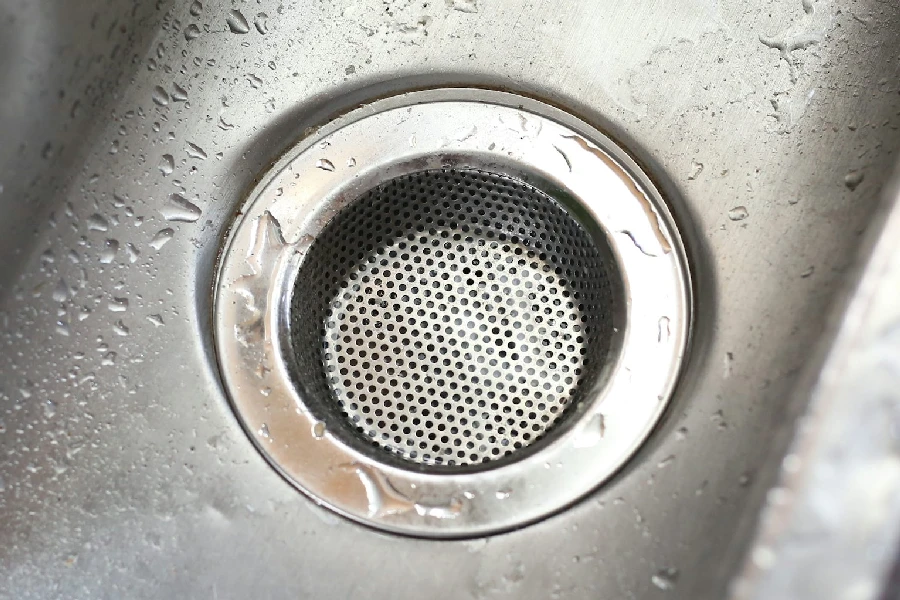
After you’ve cleared out what you can, run warm water into the sink while the power is still off. You can also fill the sink with warm water and then let it drain to help flush out any remaining glass particles.
Pro tip: Put a mesh strainer in the sink drain to catch any tiny bits before they head down the pipes.
Step 7: Test the Garbage Disposal
Once you’re confident the disposal is clear:
- Restore power at the breaker.
- Run water (yes, cold this time).
- Flip the switch for a quick test. Listen for any grinding, knocking, or resistance.
If it’s quiet and spins smoothly, congrats! You just saved yourself a panic call.
What NOT to Do
Let’s cover a few common mistakes when dealing with glass in a garbage disposal:
- Don’t stick your hand in—even if you’re sure it’s off.
- Don’t run the disposal to “crush the glass.” It doesn’t work that way.
- Don’t use metal tools like knives or forks to poke around—it can cause more damage.
- Don’t ignore leftover shards—they can dull blades, jam the motor, or damage pipes.
When To Call For Garbage Disposal Repair

If you’ve followed every step and your disposal is still:
- Won’t turn on
- Makes weird noises
- Smells burnt
- Or seems completely dead
…it might be time for garbage disposal repair.
This is where Don Fuller comes in. Our team is trained to handle these sticky (and sometimes sharp) situations. We’ve fixed disposals full of glass, bones, spoons, you name it. After removing glass or other debris, a professional can inspect your garbage disposal for any internal damage to ensure it’s safe to use. Don’t suffer through a blocked sink and a loud humming sound—let us fix it before it breaks worse. If you need help, just pick up the phone and call our experts for fast, reliable service.
Bonus Tips: Prevent It From Happening Again
Accidents happen, but there are a few easy ways to avoid broken glass situations in the future:
- Don’t wash glassware over an open drain—especially not thin wine glasses or baby bottles.
- Use a sink mat to soften any impact.
- Run cold water when using the garbage disposal—it helps push food and debris out cleanly.
- Avoid putting hard items like bones, shells, or fruit pits into the unit.
These house tips can help keep your kitchen safe from future accidents.
Glass in the Disposal? Don Fuller’s Is Here to Help

Dealing with glass in a garbage disposal isn’t fun, but with a little care (and no bare hands), it’s doable. Whether you’re fishing out a chunk with needle-nose pliers or firing up the shop vac, the goal is to safely remove all the glass without hurting yourself or your disposal.
You can also find free advice and troubleshooting tips online or by contacting us before deciding on a repair.
No more searching “how to get glass out of garbage disposal.” Contact Don Fuller for garbage disposal repair and other kitchen appliance fixes. We’re fast, friendly, and we actually like this kind of stuff.