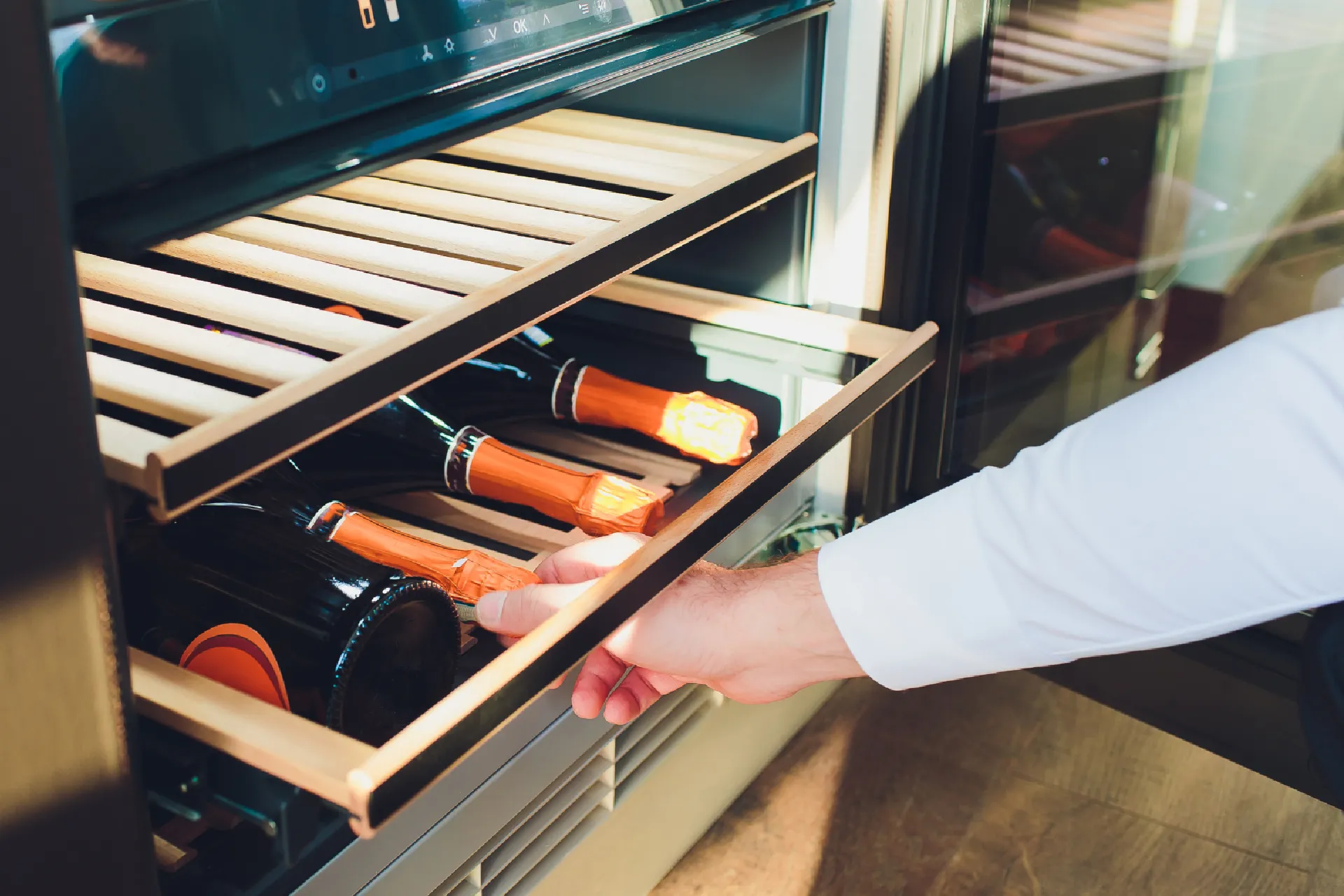




















When it comes to preserving the delightful aromas and delicate flavors of your favorite bottle of wine, the humble wine cooler is your best friend. But just how cold can a wine cooler get? Let’s embark on this frosty adventure to uncover the chilling secrets of wine coolers and share some nifty tips along the way.
Related Article: How To Use A Wine Cooler
Why the Right Temperature Matters
Wine is a bit like Goldilocks—it needs everything to be just right. Too warm, and the wine may age prematurely, losing its vibrant flavors and aromas. Too cold, and you might mute its complex characteristics. Serving wine at the correct ambient temperature enhances its bouquet and taste, making your sipping experience truly sublime.
What temperature should wine be enjoyed?
Red vs. White Wine Storage Temperature
Wine coolers are designed to keep your wine at the perfect serving temperature, not to freeze it into a wine popsicle (though that might be a fun experiment for another day). Most wine coolers can chill down to an ambient temperature range of 40°F (4°C), which is ideal for white wines and sparkling varieties. For red wines, you’ll want to keep things a bit warmer, the ambient temperature range will be around 55°F (13°C). Dual-zone wine coolers offer the best of both worlds, letting you store your reds and whites at their perfect temperatures simultaneously.
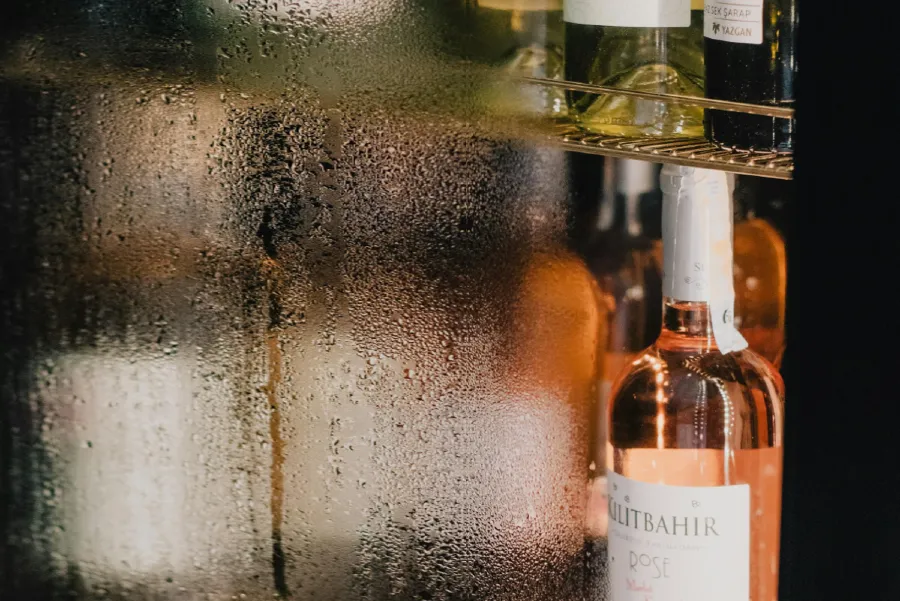
Quick Tip:
If you ever find your wine cooler isn’t quite reaching the desired chill, ensure it’s placed in a cool, shaded spot away from direct sunlight and heat sources. Proper ventilation around the cooler can also make a significant difference in its efficiency.
Types of Wine Coolers
Wine Fridge and Their Temperature Range
Most wine fridges come in various styles, like dual zone wine fridges, each catering to different needs and preferences. Here’s a quick rundown:
- Thermoelectric Wine Fridge: Quiet and vibration-free, perfect for small collections. They typically reach around 50-55°F (10-13°C).
- Compressor Wine Fridge: More powerful, these can achieve lower ambient temperature and are suitable for larger collections. They can cool down to 40°F (4°C) easily.
- Dual-Zone Wine Storage: The ultimate choice for wine enthusiasts with diverse collections. These allow you to set different temperatures for reds and whites.
Quick Tip:
Regularly clean and maintain your wine cooler. Dust off the coils and ensure the door seals properly to keep that chilly air locked in.
The Art of Wine Storage
Proper wine refrigeration or wine storage is about more than just the right temperature. Here are a few extra tips to ensure your chilled wine, sweet wines, and other sparkling wines stay in peak condition:
- Humidity Matters: Keep the humidity level around 70% to prevent corks from drying out and letting air into the bottles.
- Vibration Control: Minimize vibrations of your wine refrigerator to prevent disturbing the sediment in your wine, which can affect its taste.
- Light Protection: Store your wine in a dark environment. UV light can degrade wine over time.

Quick Tip:
If your wine fridge cooler doesn’t have a built-in hygrometer, consider investing in one. It’s a small gadget that helps you monitor humidity levels, ensuring your wine’s longevity.
Tips for Proper Wine Storage

Storing wine correctly is crucial to preserving its flavor and quality. Here are some essential tips to ensure your wine stays in top condition:
Temperature Control
Consistent Temperature: Keep your wine cooler at the same temperature or stable temperature. Fluctuations can cause the wine to expand and contract, affecting its taste and integrity.
Ideal Range: Store white wines at 45-50°F (7-10°C) and red wines at 55-65°F (13-18°C).
Humidity Levels
Optimal Humidity: Maintain a humidity level of around 70% to prevent corks from drying out and letting air into the bottles. With the ideal temperature, this keeps your wine from oxidizing.
Positioning
Horizontal Storage: Store wine bottles horizontally in your own wine fridge to keep the cork moist. A dry cork can shrink, allowing air to seep in and spoil the wine.
Stable Environment: Minimize movement and vibrations. Frequent disturbances can unsettle the sediment and affect the flavor of your sparkling wines.
Light and Vibration
Dark Environment: Protect your wine from direct sunlight and strong artificial lights. UV rays can degrade and prematurely age the wine.
Vibration-Free Zone: Place your wine fridges in an area free from constant vibrations. This helps maintain the quality of your sparkling wines by keeping the sediment undisturbed.
Air Quality
Ventilation: Ensure good airflow around your wine fridges. Proper ventilation helps maintain a consistent temperature and humidity level, leaving your wine fridge colder.
Practical Tips for Chilling Beer in a Wine Fridge
Wine coolers aren’t just for wine enthusiasts; they can also be a great way to chill your favorite beers or your Cabernet Sauvignon. Here’s how to make the most of your wine fridge for keeping your brews perfectly cold:
Temperature Settings
- Optimal Range: Set your wine fridge to a cooler temperature range, ideally between 35-40°F (2-4°C). This is perfect for most beers, ensuring they’re refreshing and crisp when you’re ready to enjoy them.
- Adjustable Zones: If you have a dual-zone wine cooler, dedicate one zone to beer storage. This allows you to keep your wines and beers at their ideal temperatures simultaneously.
Storage Tips
- Proper Arrangement: Place your beer bottles and cans in the lower racks of the wine cooler. Cold air sinks, making these spots slightly cooler.
- Avoid Overloading: Don’t overcrowd the fridge. Allow space between bottles and cans for proper air circulation, which helps maintain an even temperature.
Beer Varieties

- Lagers and Pilsners: These types of beer are best served cold, between 35-40°F (2-4°C). Your wine cooler can easily handle this cool temperature and constant temperature range.
- Ales and Stouts: These beers can be stored at slightly higher temperatures, around 45-50°F (7-10°C), which many wine coolers can also accommodate.
Quick Chill Tips
- Fast Cooling: If you need to cool your beer quickly, wrap the bottles or cans in a wet paper towel before placing them in the wine fridge. This method can speed up the chilling process.
- Ice Pack Boost: Add reusable ice packs to your wine cooler for an extra cooling boost. This can help bring the temperature down faster for a quick beer fix.
Maintenance for Multi-Use
- Regular Cleaning: Keep your wine fridge clean, especially if you’re switching between storing wine and beer. Residual odors or spills can affect the taste of your beverages.
- Odor Control: Use a mild baking soda solution to wipe down the interior occasionally. This helps eliminate any lingering odors and keeps your wine fridge fresh.
The Perfect Pour Awaits
So, how cold do wine fridges, like a dual zone wine fridge, get? Anywhere from a cool 40°F (4°C) to a mellow 65°F (18°C), depending on the type and model.
Whether it’s for your Cabernet Sauvignon, Sauvignon Blanc, Pinot Grigio, or just a regular red wine (or most wines), a wine refrigerator that fails to cool properly in an ideal temperature range, desired temperature, or ideal serving temperature can be a source of frustration for any wine experts or wine enthusiast. By maintaining the ideal temperature of your wine refrigerator, you can ensure your wine is always ready to pour and savor.
When Your Wine Cooler Needs a Fix
Even the best wine coolers can sometimes run into issues, failing to reach the desired chill or needing repairs. Don’t let a malfunctioning wine cooler ruin your enjoyment of fine wines and perfectly chilled beers. Contact Don Fuller’s Appliance Repair for reliable and efficient solutions. Cheers to keeping your cooler cool!