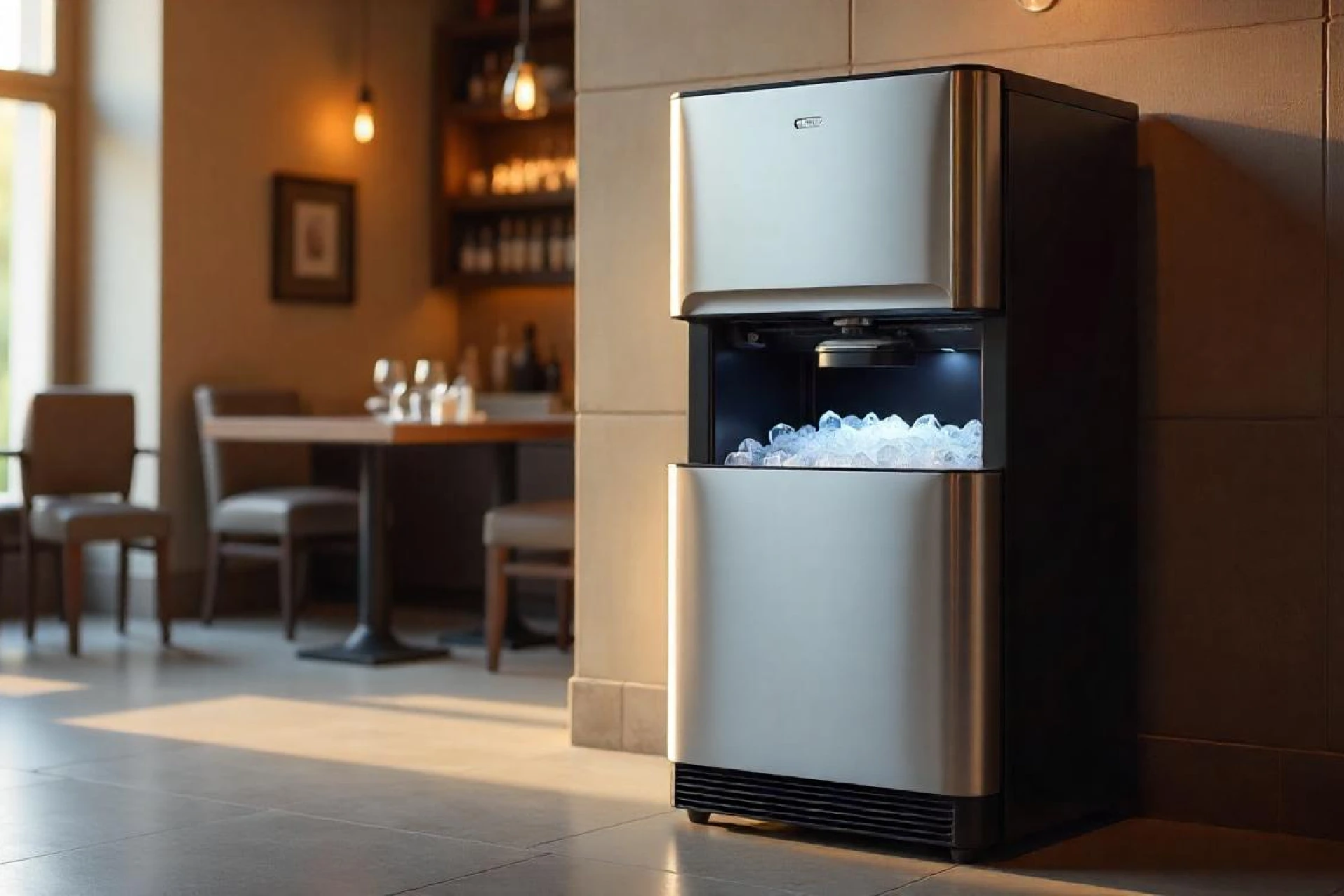




















Worried about contaminated ice because of a mold-infested ice machine? Many people don’t even realize that there’s mold inside their ice makers until they smell or taste it in their drinks, or until it makes them sick.
Related Article: How To Clean An Icemaker
To help you avoid that, Don Fuller’s Appliance Repair is here to discuss everything you need to know about a moldy ice machine, including the risks, signs, and, most importantly, the proper way to get rid of it and keep it from coming back.
The Danger of Mold in Ice Machines
Mold grows in damp, dark places, and unfortunately, commercial ice machines and even home ice makers are top candidates for that. Without routine cleaning, or if you forego regularly checking the ice produced by the machine, mold spores can spread and create contaminated ice.

1. A Dirty Ice Maker Can Lead to Health Issues
When you consume ice from a moldy machine, you’re exposing yourself to harmful bacteria and allergens that can cause stomach issues, allergic reactions, respiratory problems, and even serious infections in severe cases.
2. It Affects the Taste and Smell of Your Ice
Ice cubes aren’t supposed to taste like anything, but those that come from moldy ice machines will have a funky smell or strange aftertaste. If you’re a restaurant owner selling iced beverages, or even a parent preparing drinks for the kids, the odd taste and smell will be impossible to ignore.
3. Mold Can Clog Up Your Ice Machine
If you haven’t had regular maintenance and cleaning in a long time, mold buildup in your ice maker can mess with the mechanics of your ice maker. This can lead to clogs, damage to certain components, blockages, and even total breakdowns.
Note: Contrary to popular belief, ice doesn’t kill bacteria. Freezing might slow down bacteria growth, but it doesn’t eliminate it. That’s why regular cleaning significantly reduces the chances of mold growth in the first place.
How Can Mold in Your Ice Machine Make You Sick?

According to the US Centers for Disease Control and Prevention (CDC), mold poses various health effects. Mold spores spread through the air and water, so every time your ice machine operates and produces ice, those spores could be making their way into the air and into your drinks.
Regularly consuming ice from a moldy ice maker can lead to health risks such as:
- Stomach cramps, nausea, diarrhea, and vomiting are common symptoms if you ingest ice from a bacteria-ridden ice bin or machine.
- If you’re breathing in mold spores, you could start experiencing coughing, sneezing, wheezing, and congestion. People with asthma or allergies are especially at risk.
- Some molds can trigger skin reactions and lead to itchiness, redness, or irritation.
- If you already have a weak immune system, mold exposure can cause infections and make it even harder for your body to fight off illnesses.
What to Do If You’ve Been Affected by the Mold in Your Ice Maker

Stop using the machine right away if you think your ice machine has mold. Throw out all the ice from the machine and make sure no one else mistakenly uses them. Next, clean and disinfect the machine (more on this below), though a professional deep clean can also be beneficial before you start using it again.
If your stomach issues or breathing problems don’t improve, see a doctor. Some mold-related illnesses require medical treatment.
Signs Your Ice Machine Has Mold
Your ice machine has mold and needs DIY or professional cleaning if:
- Ice supply has a weird taste or smell
- There’s slime buildup or slimy residue inside the machine (especially in the bin or water lines)
- You find dark spots inside the ice maker; specifically, black, pink, or greenish discoloration
- Your ice is cloudy or melts quickly
Why Does Mold Grow in Ice Machines?
Mold needs specific conditions to grow, and ice machines can create those conditions pretty easily.
1. Lack of Regular Cleaning
Ice machines need to be cleaned regularly—ideally once a month. If it’s been sitting there, untouched and unused, mold is bound to develop.
2. Constant Moisture
A clean ice maker can still develop mold if it’s constantly moist. Mold grows and spreads in damp environments, which is why it’s important to wipe the interior surfaces of your machine regularly with a clean paper towel.
3. Low Water Quality
Your water supply can also contribute to mold growth in your ice machine. If the water running through your machine isn’t clean, it can introduce mold and bacteria. Always use filtered water as much as possible so you get high-quality ice.
4. Stagnant Ice
Not using your ice maker often and letting the ice sit there for too long can allow mold to develop around it. Dumping old ice regularly is an easy preventive measure.
How to Properly Remove Mold From Your Ice Machine
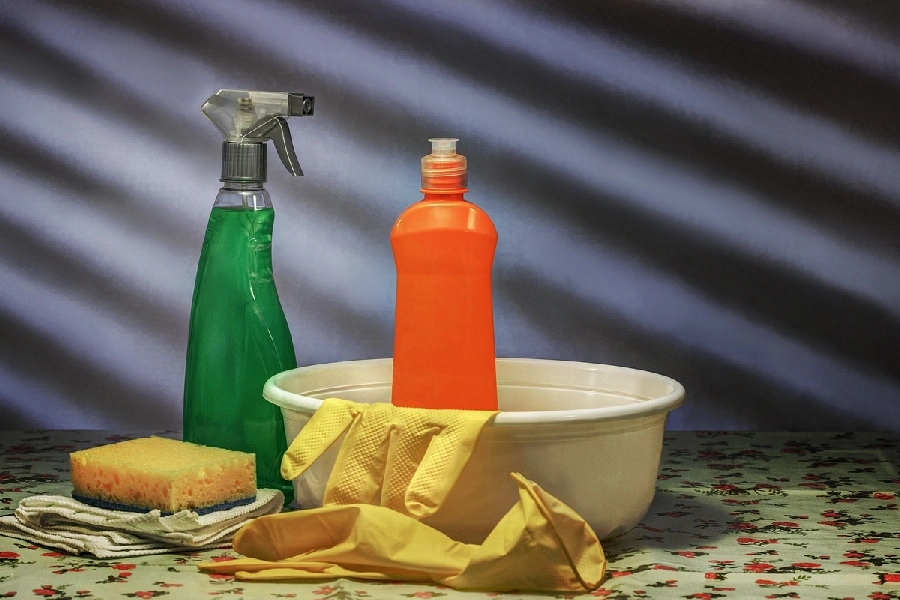
To remove mold properly and effectively, make sure you use cleaners approved for food contact surfaces. Avoid using harsh chemicals, as this can transfer to your ice supply even after rinsing. To be certain, read the manufacturer’s recommendations regarding the correct process of applying or using the cleaning product.
Another option is to use a disinfecting agent, but at a lower concentration. You can find specific instructions on creating a diluted water and sanitizer solution in the product’s description or label.
If you have a dirty water line, you should also have that addressed or replaced to prevent mold from developing again.
Don Fuller’s Appliance Repair Offers the Best Ice Machine Repair Services in OKC
Let’s say you managed to get your ice maker clean and free from mold, but it’s not functioning as well as it should. That’s your sign to call Don Fuller’s Appliance Repair for our ice machine repair in OKC! We’ll help you keep your ice machine properly maintained and working like new for many years, no matter the issue.
Visit our website to learn more about our services or contact us directly at (405) 622-5961 to schedule a service!