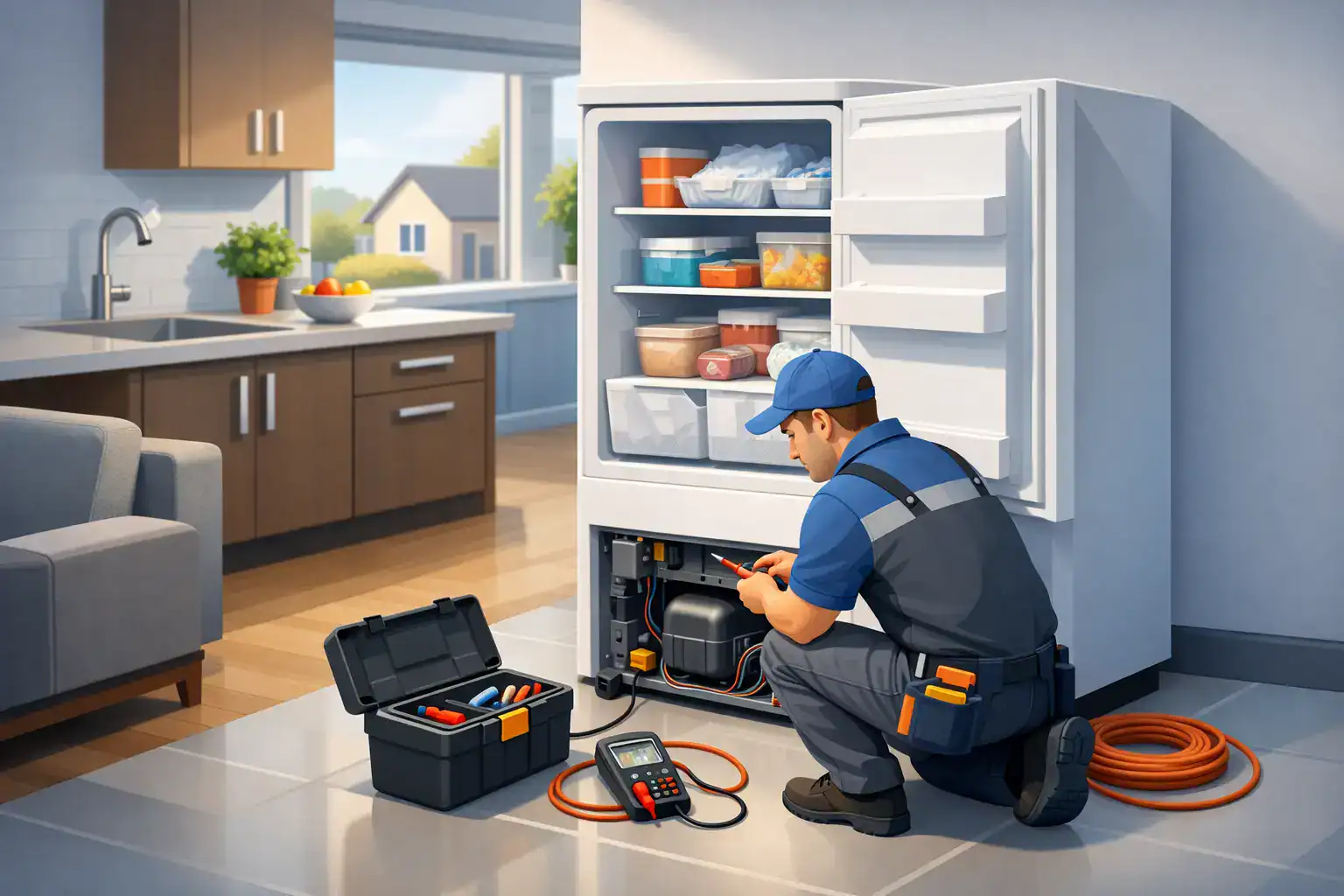
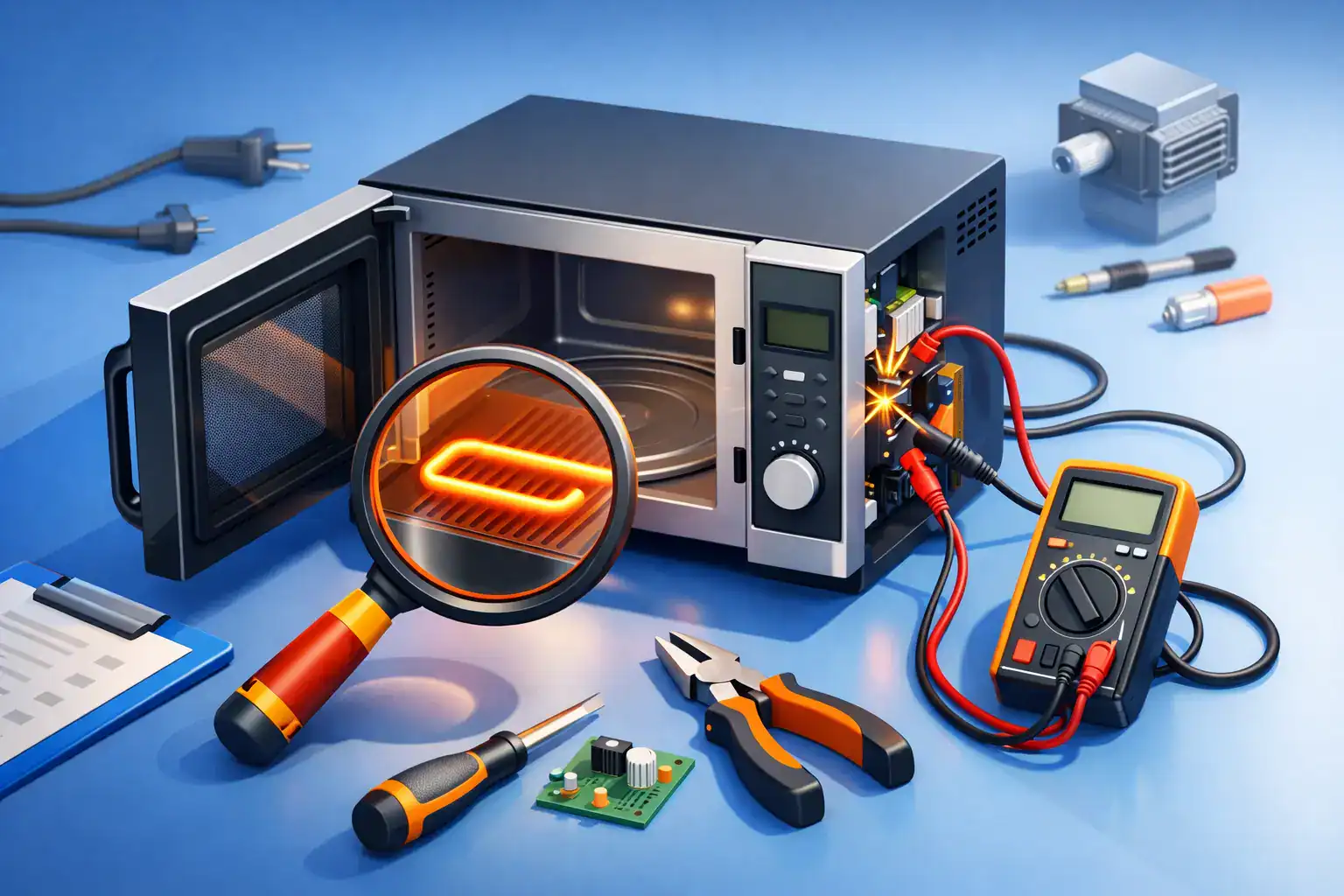
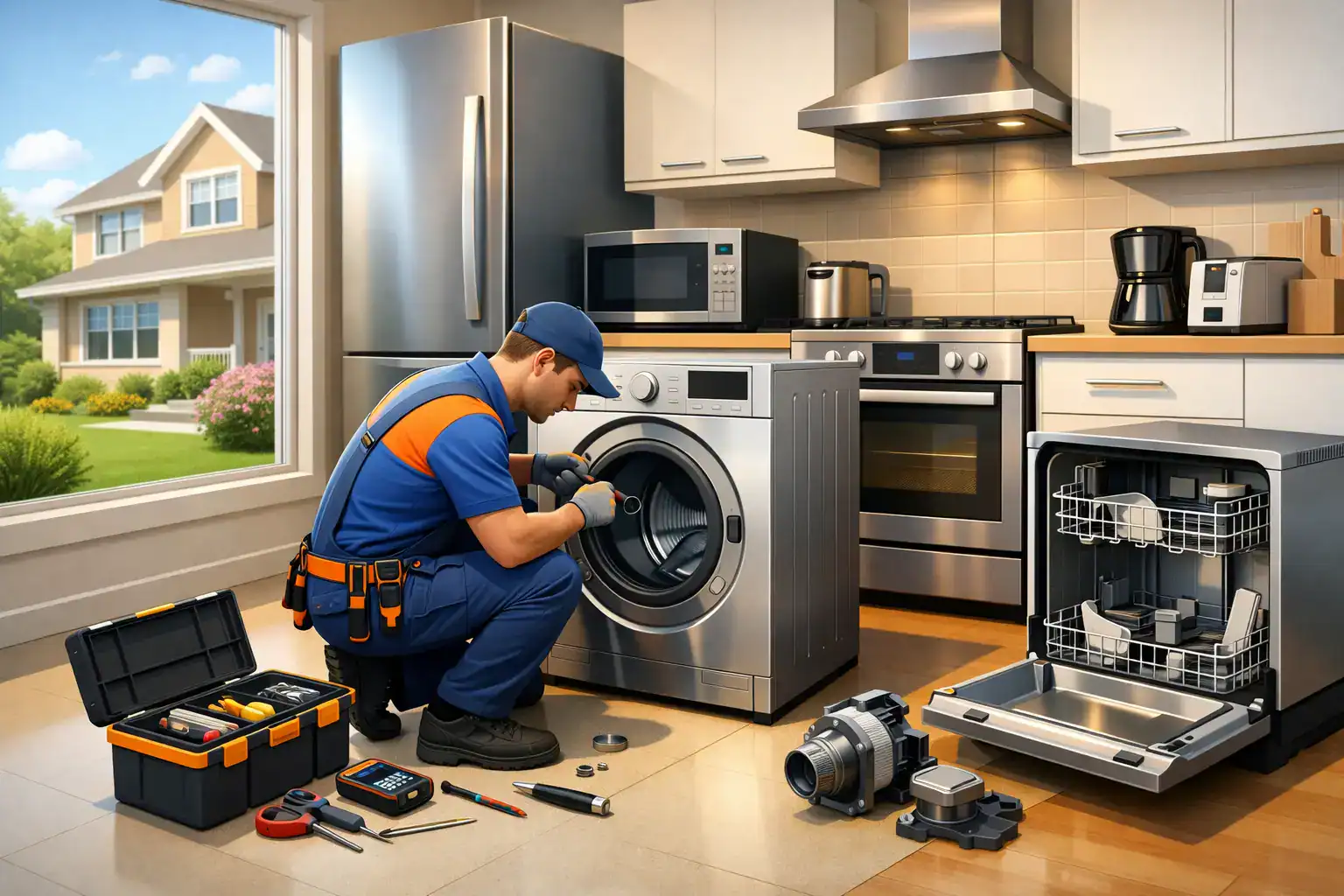
When you open the freezer and find soft ice cream, thawing meat, or a sheet of frost where it should not be, the problem moves from annoying to urgent fast. Freezer not freezing repair usually starts with a few simple checks, but the cause can range from a blocked airflow path to a failing compressor. Knowing the difference can save time, food, and unnecessary stress.
For most homeowners, the first question is simple: can this be fixed today, or is it turning into a bigger repair? The answer depends on what the freezer is doing besides not freezing. A unit that still runs but never gets cold points to one set of problems. A freezer that clicks, hums, or stops altogether suggests something else.
Freezer not freezing repair starts with the basics
Before assuming the worst, check the settings. It sounds obvious, but temperature controls do get bumped, especially in busy family kitchens or garage spaces where items are moved around often. If the freezer temperature has been adjusted warmer by accident, correcting it may solve the issue within several hours.
Next, look at the door seal. If warm air is leaking in, the freezer may run constantly without reaching the proper temperature. A torn gasket, crumbs along the sealing surface, or a door that is not closing all the way can all cause trouble. Sometimes a full basket or bulky box keeps the door cracked just enough to let cold air escape.
Airflow matters more than many people realize. If food is packed tightly against the rear wall or vents, cold air cannot circulate properly. That can leave some items soft while others stay partly frozen. Rearranging contents will not fix every issue, but it is one of the first things worth checking.
Common causes of a freezer not freezing
A freezer depends on several parts working together. When one part struggles, the whole system loses performance.
Dirty condenser coils
Condenser coils release heat from the appliance. When they are coated with dust, pet hair, or garage debris, the freezer has a harder time cooling. This is especially common in homes with pets or in units placed in less-clean spaces. Cleaning the coils can improve performance, but only if buildup is the actual cause.
Frost-covered evaporator coils
If the evaporator coils behind the interior panel are packed with frost, airflow drops and cooling suffers. This often points to a defrost system problem, which may involve the defrost heater, thermostat, or control board. In that case, clearing frost alone is usually temporary. The frost comes back because the failed part is still there.
Evaporator fan motor failure
The evaporator fan moves cold air through the freezer and, in many refrigerator-freezer combinations, into the fresh food section too. If the fan stops running, the freezer may cool unevenly or not enough at all. You might notice an unusually quiet freezer, or in some cases a squealing or grinding sound before the fan fails completely.
Start relay or compressor issues
If the compressor cannot start, the freezer will not cool properly. A bad start relay can sometimes mimic a major sealed-system problem, so accurate diagnosis matters. If the compressor itself is failing, the repair may be more involved and the decision becomes more about age, condition, and overall value of the appliance.
Thermostat or temperature control problems
A faulty control can prevent the freezer from cycling correctly. Sometimes the unit runs too little. Other times it runs too long but still does not maintain temperature because the system is getting the wrong signal. This can be frustrating because the symptoms are not always dramatic. The freezer just gradually stops doing its job.
Signs it is more than a simple adjustment
Some freezer problems are minor. Others need a service call sooner rather than later.
If the freezer is warm and the compressor is silent, that is not likely to be solved by moving food around. If you hear repeated clicking, notice burning odors, or see water and ice buildup in unusual places, the problem may involve electrical or defrost components. A freezer that cools for a day and then warms up again often points to a recurring mechanical issue, not a one-time fluctuation.
Food condition is a clue too. Ice cream that is soft but not fully melted can suggest partial cooling. Meat that is thawing while ice cubes stay frozen may indicate airflow issues. If everything is fully defrosting, the failure is likely more serious.
What you can safely check at home
Homeowners can do a few things before scheduling freezer not freezing repair, as long as the checks stay basic and safe.
Start by confirming the outlet has power. If the freezer is plugged into a garage outlet, make sure a tripped breaker or GFCI has not shut it off. Then inspect the temperature settings and verify the door is sealing tightly on all sides.
If the coils are accessible, a careful cleaning can help. Unplug the unit first. Use a vacuum or coil brush gently, especially around older appliances where fins and tubing may be more delicate than they look.
You can also listen. A healthy freezer usually gives some signs of life – a fan sound, a low compressor hum, or periodic cycling. If it is completely dead or making harsh clicking noises, that information is useful when you call for service.
What you should not do is force panels open, chip away ice with sharp tools, or start replacing parts based on guesswork. Modern appliances can hide one failed component behind symptoms that look like three different problems.
When professional freezer not freezing repair makes sense
A freezer is one of those appliances where timing matters. Waiting too long can mean spoiled groceries, water damage from thawing, or a larger repair if strain spreads to other components.
Professional service makes the most sense when the easy checks do not restore cooling, when frost patterns suggest a defrost failure, or when the appliance is running but not getting cold enough. It also matters when the unit is built in, hard to access, or part of a kitchen setup where downtime affects the whole household.
An experienced technician does more than swap parts. Proper diagnosis helps determine whether the issue is electrical, mechanical, airflow-related, or tied to the sealed system. That distinction matters because it affects repair cost, repair time, and whether fixing the freezer is the smarter choice over replacement.
For homeowners in Edmond, Oklahoma City, and surrounding areas, a local company with a long track record can make the process easier. Don Fuller’s Appliance Repair has worked with major household appliances for decades, and that kind of experience matters when symptoms overlap and the right repair is not obvious at first glance.
Repair or replace?
This is where the honest answer is: it depends.
If the freezer is relatively new and the issue involves a fan motor, thermostat, gasket, or defrost component, repair is often worthwhile. These are common failures and, in many cases, manageable repairs compared with the cost of replacing the appliance.
If the freezer is older and facing a compressor or sealed-system issue, the numbers can shift. Replacement may make more sense if the repair cost is high and the unit has already had other recent problems. Garage freezers and secondary units can be especially tricky because homeowners may not want to invest heavily in an older appliance that has seen years of hard use.
That said, age alone does not decide everything. Build quality, condition, and overall reliability all matter. A trusted technician should be able to explain the likely cause, the expected repair, and whether putting money into the appliance is a sound decision.
How to prevent the next cooling problem
No freezer lasts forever, but a little maintenance can help it run better and longer.
Keep the coils clean, especially if you have pets or the appliance sits in a dusty area. Make sure the door closes fully every time and replace worn gaskets before they cause bigger cooling losses. Avoid overpacking food against vents, and do not ignore early warning signs like unusual frost, louder operation, or food softening around the edges.
Placement matters too. A freezer in a hot garage may struggle more during Oklahoma summers, while one in a very cold garage can also behave oddly depending on the design. If your appliance works harder during weather extremes, that is worth paying attention to before a minor weakness turns into a no-cooling call.
A freezer does not need to quit completely to tell you something is wrong. If temperatures are creeping up, frost is building where it should not, or the unit sounds different than usual, acting early often gives you better repair options and fewer losses in the meantime.
When a freezer stops freezing, most homeowners do not need a lecture on appliance theory. They need a clear answer, a fair repair recommendation, and help getting the kitchen back to normal. That is exactly why quick diagnosis matters.