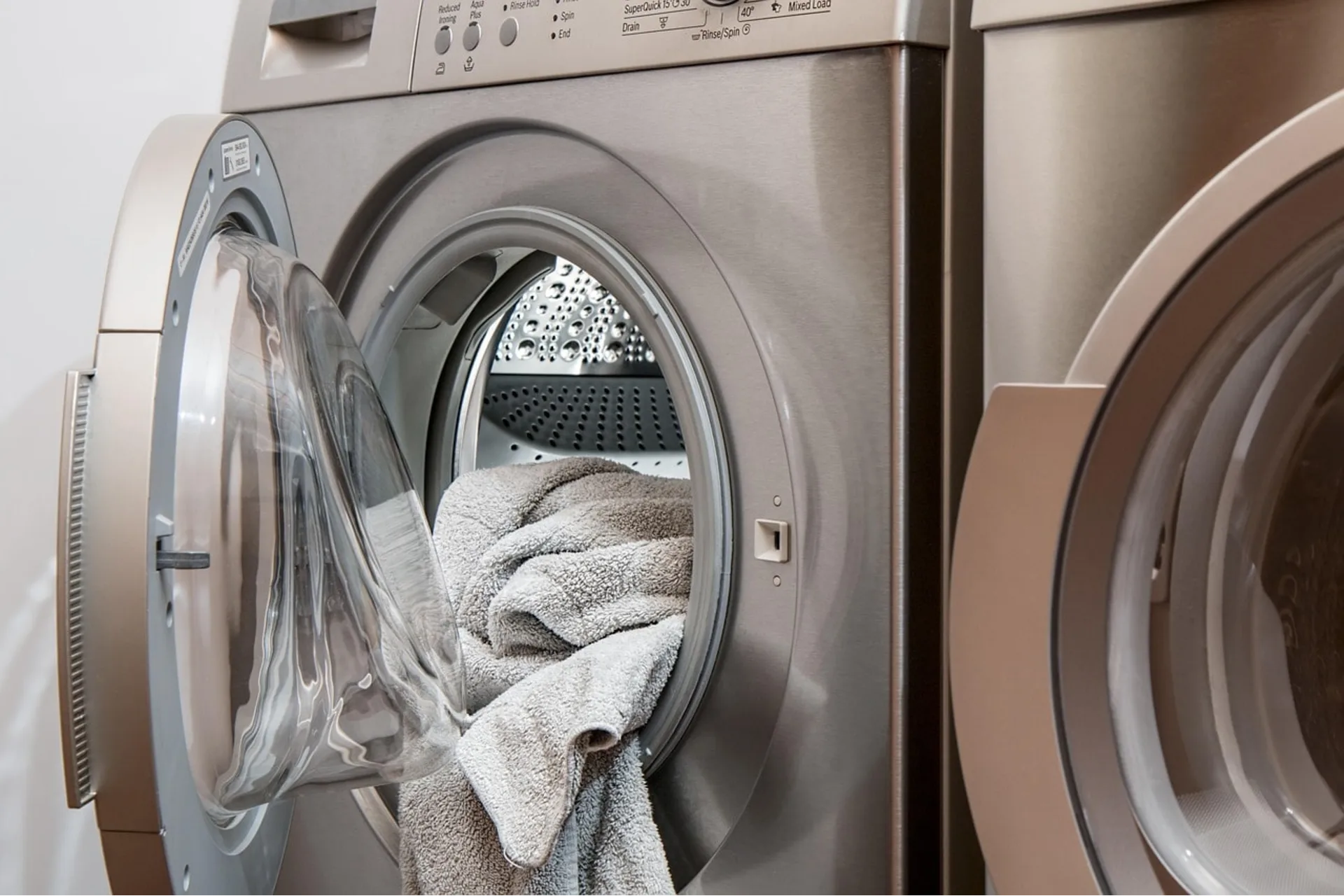




















Are you staring at that laundry pile, wondering how much of your day will be spent waiting for the washer to beep? Well, you’re not alone. We all want to get back to what matters most—family, friends, and maybe that book we’ve been meaning to finish. So, let’s talk about washer repair and how it affects your laundry routine.
Related Article: How to Clean Front Load Washer Interiors: 4 Easy Steps
The Average Washing Machine Cycles
A “normal” cycle run between 50 minutes and an hour. Sounds like a long time, but a lot is going on in there! Your washer is filling with water, soaking your clothes, doing the washing jiggle, draining, and spinning to rinse out all that extra water. But let’s look at different wash cycles and what they entail.
Delicate Wash Cycle: Duration: Typically 30-45 minutes Ideal for: Delicate fabrics such as silk, lace, and lingerie; items prone to shrinking or damage in regular cycles. Use cold water and a gentle detergent to preserve fabric integrity.
Quick Wash Cycle: Duration: Approximately 15-30 minutes Ideal for: Lightly soiled clothes or when you’re short on time. Perfect for everyday clothes like t-shirts, underwear, and gym attire that don’t require intensive cleaning but just a quick wash.
Normal Wash Cycle: Duration: Around 45-60 minutes Ideal for: Everyday clothes, including cottons, linens, and synthetics. This cycle strikes a balance between cleaning effectiveness and time, suitable for most laundry loads.
Heavy Duty Wash Cycle: Duration: Typically 60-90 minutes Ideal for: Heavily soiled items, durable fabrics, and tough stains. Use this cycle for bedding, towels, work clothes, or heavily soiled clothes that require thorough cleaning and stain removal.
What Can Lengthen Wash Times?
Big Loads
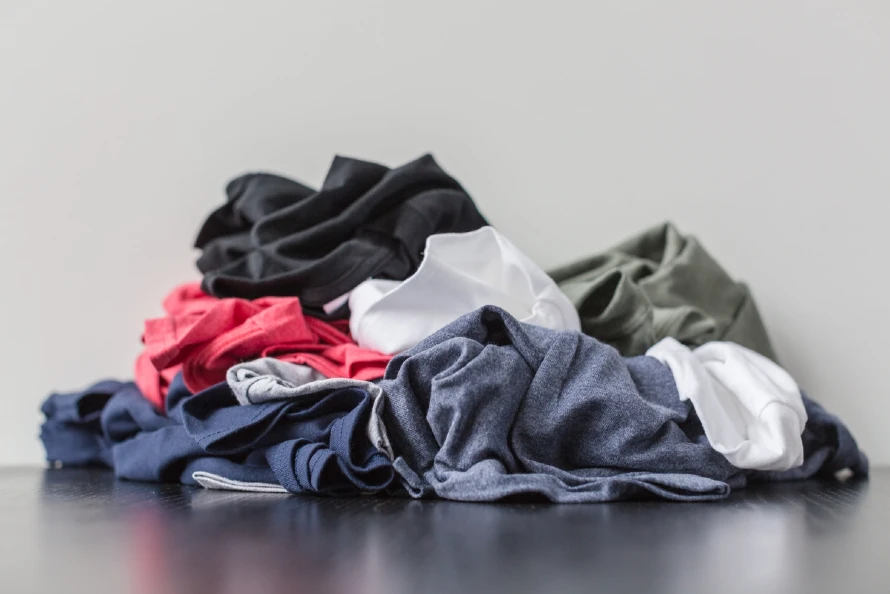
We get it – when you’re staring down Mount Laundry, the temptation to cram everything in one go is real. But here’s the deal: more clothes = wash cycle takes longer. Think about it like a traffic jam on the laundry highway – overcrowding just leads to gridlock. Tightly packed clothes also does not get the room to get water and soap into all the nooks and crannies. So, if you’re squeezing everything and the kitchen sink in there, don’t be surprised if it adds some extra time to the cycle. Remember, a little breathing room goes a long way in getting your laundry done efficiently.
Heavy Duty Machine Cycles
Got stubborn stains or bulky items that need some extra muscle? Enter the heavy-duty cycle. These settings bring out the big guns, with powerful washes designed to tackle even the toughest dirt and grime. But here’s the trade-off: more power often means more time. So, if you’re opting for the heavy-duty route, buckle up for a slightly longer ride. Trust us, though – it’s worth it when your laundry emerges sparkling clean and ready for action.
Machine Issues
Now, what if your washing machine is dragging its feet even when you’re not overloading it or opting for heavy-duty cycles? That’s when it’s time to roll up your sleeves and investigate.
Clogs, unbalanced loads, or worn-out parts can throw a wrench in the works, making those cycles feel like they’re stuck in slow motion. But fear not – our expert technicians at Don Fuller Appliance Repair are here to save the day. Whether it’s a quick fix or a more in-depth repair, we’ll get to the bottom of the issue and have your washing machine back in peak performance in no time.

Fancy Features and Quick Washes
Lots of newer washing machines have super-fast cycles for when you’re in a pinch for wash time. Got a small load that’s lightly soiled? Check out the “Quick Wash” setting—it could be done in as little as 30 minutes! Some washers even have sensors that figure out how long a load really needs.
When to Call the Pros at Don Fuller Appliance Repair
So, you’re pondering whether to dial up the experts – well, let’s make it crystal clear. Here are some unmistakable signs that your washer needs a helping hand from the pros at Don Fuller Appliance Repair:
Wayyy Too Long

Picture this: you toss in a load of laundry, set the timer, and then find yourself twiddling your thumbs for ages. If cycles that used to breeze by are now dragging on like a soap opera marathon, it’s time for a checkup. Sure, patience is a virtue, but waiting eons for your laundry to finish? Ain’t nobody got time for that!
Strange Noises
Washing machines aren’t known for their serenades, but if your appliance is suddenly belting out a symphony of grinding, clunking, or otherworldly noises, it’s not just singing a new tune – it’s screaming for help. Don’t brush off these auditory alarms; it’s a definite call-the-repair-person situation. Trust us, your eardrums – and your neighbors – will thank you.
Not Draining
You hit the spin cycle, eagerly anticipating fresh, fluffy towels, only to find a soggy mess waiting for you. Leftover water pooling in the drum after the spin cycle is a telltale sign of trouble. Don’t resign yourself to the fate of hand-wringing your clothes – that’s so last century! Instead, pick up the phone and let our expert technicians tackle the issue head-on.
DIY Troubleshooting Tips

Before reaching for the phone to schedule a repair, why not try a bit of DIY detective work? Here are some handy troubleshooting tips to help you troubleshoot common washer woes on your own:
Check the Power Supply: First things first, make sure your washer is getting power. Check that it’s plugged in securely and that the outlet is functioning properly. If everything looks good on the power front but your washer still won’t turn on, it might be time to investigate further.
Inspect the Water Supply: A washer without water is like a car without gas – it’s not going anywhere fast. If your washer isn’t filling up with water, check the water supply valves behind the machine. Make sure they’re fully open and that the hoses aren’t kinked or damaged. Sometimes, a simple adjustment is all it takes to get the flow going again.
Clean the Filter: Many washers are equipped with a filter to catch debris and prevent clogs. Over time, this filter can become clogged with lint, hair, and other gunk, restricting water flow and slowing down the wash cycle. Locate the filter (typically near the bottom of the machine) and give it a good clean. You might be surprised at how much of a difference this simple step can make.
Balance the Load: If your washer is vibrating excessively or making loud banging noises during the spin cycle, chances are the load is unbalanced. Open the door and rearrange the items so they’re evenly distributed around the drum. This should help reduce vibrations and noise, allowing the cycle to proceed more smoothly.

Reset the Machine: Sometimes, a good old-fashioned reset is all it takes to fix minor glitches. Try unplugging your washer for a few minutes and then plugging it back in. This can help reset the electronics and clear any temporary issues that may be causing trouble.
Know When to Call in the Pros: Of course, there are some issues that are best left to the professionals. If you’ve tried the above troubleshooting tips and your washer still isn’t cooperating, it’s time to call in the experts at Don Fuller Appliance Repair. Our skilled technicians have the knowledge and experience to diagnose and fix even the trickiest washer problems, getting your laundry routine back on track in no time.
The Bottom Line
Washers are awesome, but they’re not magic. Understanding how long cycles should take helps you spot when something needs a closer look. And don’t worry, we’re always ready to get your washer back in tip-top shape, whether it’s a top load washing machine or a front load washing machine. Give Don Fuller Appliance Repair a call!